

Stories by @kaueoliveira
222 stories
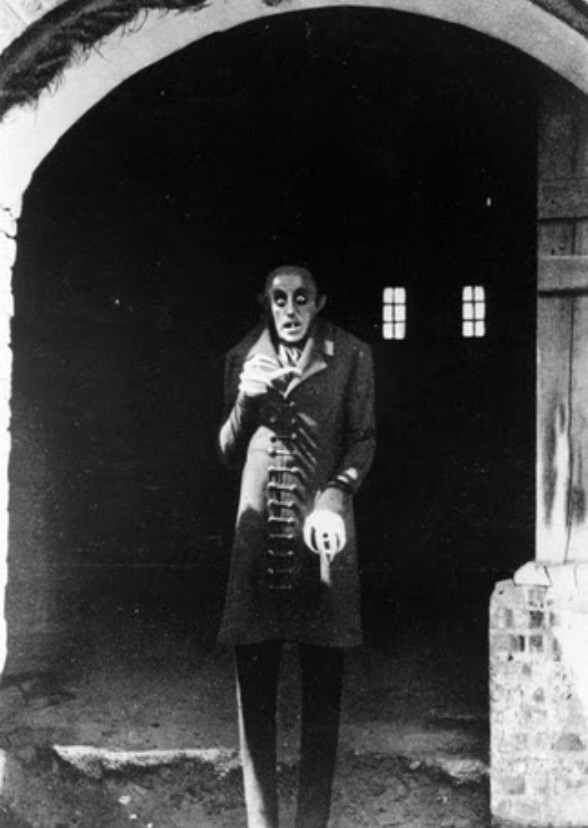
Schreck: The Man in the Shadow (Biopic)
Set in the artistic turbulence of 1920s Berlin and Munich, the film follows Max Schreck, a talented but enigmatic character actor in the German Expressionist theater scene. Far from a monster, Max is a gentle, introverted man who prefers long walks in the forest to the spotlight of fame. He is deeply devoted to his wife, Fanny, and views acting as a spiritual transformation, not a pursuit of celebrity. The central narrative focuses on his casting by the visionary and demanding director F.W. Murnau for an unauthorized adaptation of Dracula titled Nosferatu. The film details the grueling, guerrilla-style production in the Carpathian mountains and the Baltic Sea, where Schreck’s method acting and frightening physical transformation begin to blur the lines between the man and the monster for the rest of the cast. The story deals with the aftermath: the film is nearly destroyed by a lawsuit from Bram Stoker’s widow, and Schreck must return to the stage, forever haunted by the shadow he created, struggling to be seen as an artist rather than a nightmare.
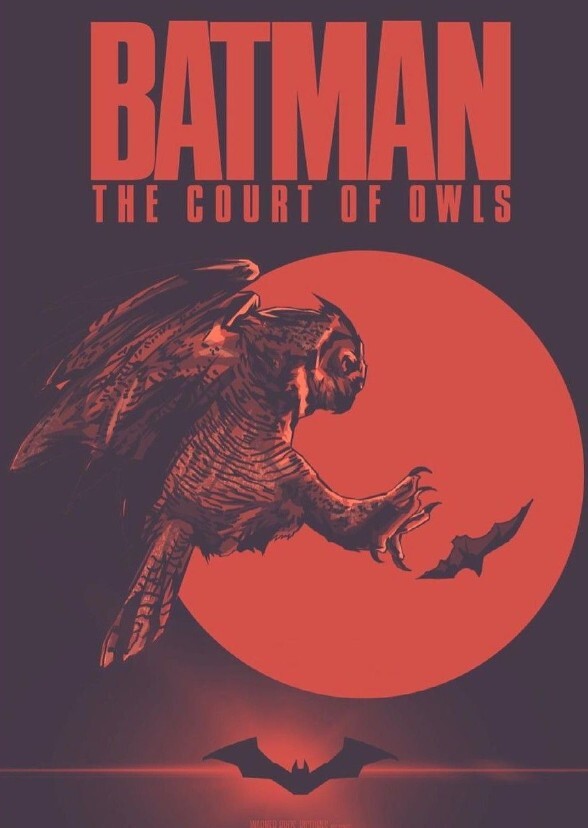
The Batman: The Court of Owls (DCU - Chapter 1: Gods and Monsters)
Gotham City, 2026. Bruce Wayne has been operating as Batman for over a decade. He believes he knows every brick, every alley, and every secret of his city. He is now training his biological son, the lethal and arrogant Damian Wayne (Robin), attempting to teach him justice over vengeance. The plot begins when a series of high-profile assassinations in Gotham point to an urban legend Bruce has always dismissed as a nursery rhyme: The Court of Owls. During the investigation, Bruce meets Lincoln March, a charismatic mayoral candidate and philanthropist who claims a dark, secret connection to the Wayne family. When the Court's immortal assassin, the Talon, strikes, Batman is dragged into the Court's underground labyrinth. The film is a conspiracy thriller and psychological horror, where Batman is pushed to the brink of madness, forced to accept that the true rulers of Gotham are ancient predators watching from the shadows, and that his own family history might be a lie.

The Penguin: King of Gotham (2012 "Nolanverse" Spinoff)
Set in the chaotic power vacuum left in the Gotham underworld following the fall of the Joker and the Dent Act, "The Penguin: King of Gotham" is a gritty mob drama. Oswald Cobblepot is not a sewer mutant, but a deformed, outcast scion of a fallen wealthy family. He is the manager of the "Iceberg Lounge," a front for money laundering used by the powerful Falcone Crime Family. Tired of being called "The Penguin" and treated as a freakish lackey by the mob bosses who look down on him, Oswald orchestrates a complex, bloody war between the Falcones and the Maronis. Using his brilliance, brutality, and a terrifying comfort with violence (using his signature reinforced umbrellas as disguised weapons), he systematically dismantles the old guard. The film is a character study of a man fueled by an inferiority complex who decides that if society sees him as a monster, he will become the monster that runs the city.

Bela: Children of the Night (Biopic)
"Bela: Children of the Night" is a tragic, atmospheric drama that peels back the cape of Hollywood’s most famous monster to reveal the proud, broken man underneath. The film begins in 1931 with Bela Lugosi at the height of his powers—an aristocratic Hungarian theater star who conquers America as Dracula. He is charismatic, intensely , and convinced he is the next romantic lead of the silver screen. However, the narrative quickly descends into the nightmare of typecasting. The film explores Bela's pride as his greatest enemy; his refusal to play "mute brutes" (like Frankenstein's monster) allows his rival, the gentle and British Boris Karloff, to eclipse him. As the horror genre fades and the studios turn their backs, Bela spirals into a harrowing addiction to morphine to treat his chronic war injuries. The third act is a heartbreaking look at his twilight years: living in near-poverty, deluded by his own legacy, and finding a strange, exploitative, yet affectionate final friendship with the young, inept director Ed Wood. It is a story about an immigrant who wanted to be a star but was forced to be a monster until the end.

Plainfield: The Ed Gein Story (2012 Biopic)
Set in the freezing, isolated landscape of Plainfield, Wisconsin, in 1957, the film is a slow-burn, disturbing character study. The story follows Ed Gein, a lonely, socially awkward handyman living under the psychological shadow (and memory) of his fanatically religious and domineering mother, Augusta. The film eschews cheap jump scares to focus on the deterioration of Ed's mind following his mother's death. He desperately tries to "keep her alive" through macabre rituals and grave robbing. The narrative cuts between Ed's descent and the investigation by Sheriff Schley, a small-town lawman who cannot believe "weird Eddie" is capable of malice, until the disappearance of local hardware store owner Bernice Worden. The climax is the infamous discovery of the "house of horrors," shot not as a monster movie, but as a grotesque human tragedy.

Ozzy: The Prince of Darkness (Biopic)
"Ozzy: The Prince of Darkness" is a chaotic, darkly comedic, and tragic ride through the 1980s. The film begins in 1979, with Ozzy Osbourne fired from Black Sabbath, locked in a hotel room in Los Angeles, surrounded by pizza boxes and drugs, convinced his life is over. Enter Sharon Arden, the daughter of his terrifying manager, who decides to drag him out of the darkness and turn him into a solo star. The film tracks the manic highs of the Blizzard of Ozz era, the legendary biting-the-head-off-a-bat incident, and the drunken debauchery that made him a public menace. However, the emotional core is the "father-son" musical bond he forms with the young guitar prodigy Randy Rhoads, whose classical influence revitalizes Ozzy’s music. The climax is the devastating 1982 plane crash that kills Randy, sending Ozzy into a spiral that only Sharon’s ruthless love can save him from. It’s a story about a man who tries to drown his demons, only to find out they can swim.

Child's Play: The Good Guy (Period Reboot - 2026)
Set in the unforgiving winter of Chicago, 1988. The city is at the height of consumerism and urban decay. Charles Lee Ray, the "Lakeshore Strangler," is a desperate serial killer and voodoo practitioner. After being mortally wounded in a shootout with police inside a toy store, he uses an ancient Damballa amulet to transfer his soul into a trendy "Good Guy" doll. The film focuses on Karen Barclay, a widowed single mother working double shifts at a department store, struggling to survive the recession. She buys the stolen doll in an alley for her lonely 6-year-old son, Andy. The terror builds slowly: it's not just a doll killing people; it's a sadistic adult killer trapped in a plastic body, psychologically manipulating a child and isolating the mother, making her look insane to the police. The film utilizes state-of-the-art animatronics and puppetry (similar to Grogu or modern Jurassic films) to make Chucky a terrifying physical presence, relying on zero CGI for the doll's movement.

Captain Britain: The Lion of Avalon (MCU / Feature Film)
"Captain Britain" is a fantasy-action epic that blends the grit of Game of Thrones with the modern superhero genre. Brian Braddock is a brilliant but arrogant physicist living in a post-Endgame London that feels increasingly unstable. He is a man of science who rejects the supernatural, despite coming from an aristocratic family with deep, whispered secrets at the Braddock Manor. When an ancient, multidimensional breach opens at a stone circle in Cornwall, unleashing mythical beasts led by the sorceress Morgan Le Fay, Brian is critically injured trying to save his sister, Betsy. On the brink of death, he is visited by Merlin and offered a choice: the Amulet of Right (destiny/heroism) or the Sword of Might (violence/power). Choosing the Amulet, he becomes the vessel for the entire magical energy of the British Isles. The film follows Brian struggling to reconcile his scientific worldview with his new reality as the guardian of the Omniverse, battling not just monsters, but his own ego and the crushing weight of a legacy he never asked for.

Family Guy: The Movie (Live-Action)
"Family Guy: The Movie" is a meta-satirical disaster film. The premise is that the "cartoon reality" of Quahog is collapsing because the Fox Network (now Disney) wants to cancel them for being too offensive. Peter Griffin, realizing his universe is becoming "real" (flesh and blood), must lead his family on a road trip across a terrifyingly realistic United States to Los Angeles to save their show. The humor translates the cartoon violence into shocking live-action realism. The Chicken Fight is a 10-minute, John Wick-style brutal action sequence. Stewie’s weapons are terrifyingly high-tech. Peter’s stupidity has real-world consequences. The film balances the gross-out humor with a surprisingly high-stakes plot about a family of dysfunctional sociopaths learning to love their three-dimensional forms.
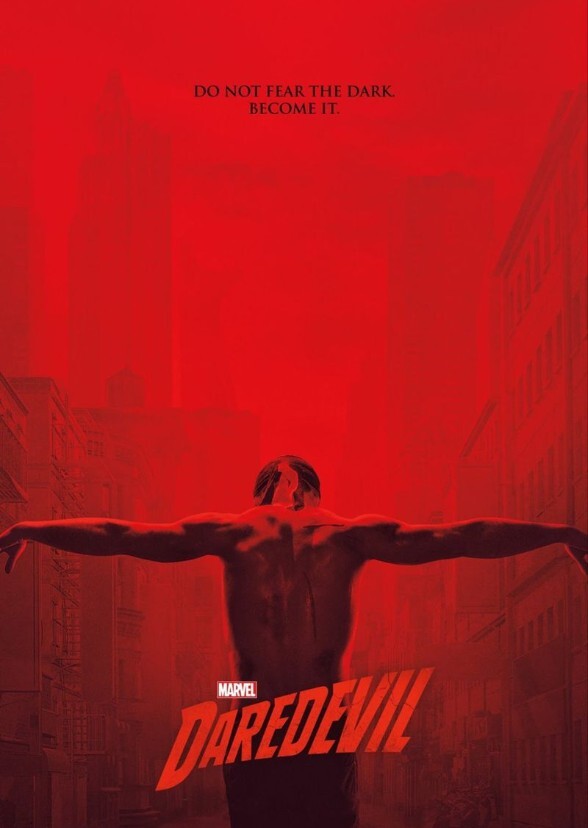
The Daredevil: Man Without Fear (MCU Reboot)
"The Daredevil: Man Without Fear" is a neo-noir crime thriller that leans heavily into the psychological toll of vigilantism. Matt Murdock is a blind defense attorney in Hell's Kitchen who possesses hypersensitive senses. He is not yet a polished superhero; he is a bruised brawler wearing a makeshift black suit, fueled by Catholic guilt and an addiction to violence. The story focuses on a turf war. The old-school mobs are being swallowed by a mysterious corporate entity led by the reclusive philanthropist Wilson Fisk. Fisk is gentrifying Hell's Kitchen, "saving" the city by destroying its soul. When Matt discovers that his own clients—tenants being evicted and framed—are victims of Fisk's machinations, he takes the fight from the courtroom to the rooftops. The film deconstructs Matt's duality: the lawyer who believes in the system and the devil who believes the system is broken. It culminates in a brutal, visceral confrontation not in a suit of armor, but in a bloody knuckle-brawl in a rain-slicked alley, fighting for the heart of his neighborhood.
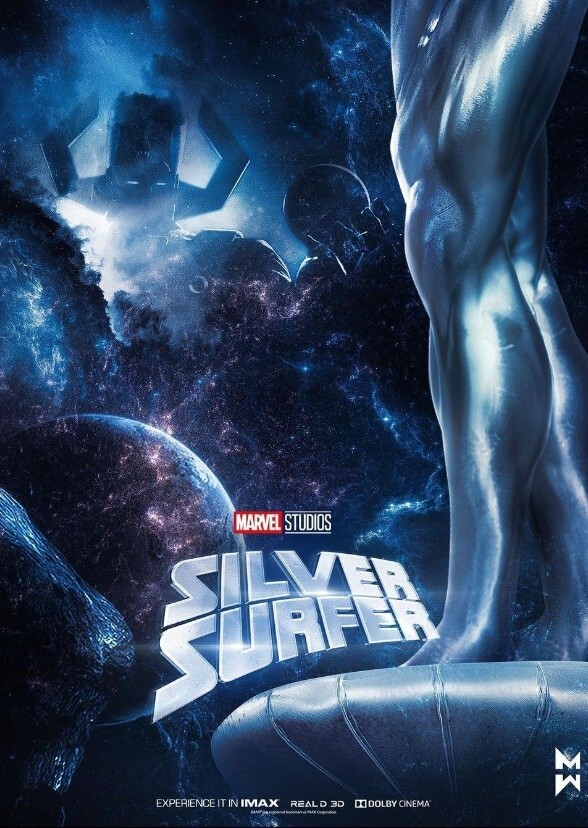
Marvel Studios' Silver Surfer (Special Presentation / Feature Film)
This film is a cosmic tragedy and a psychedelic sci-fi epic, distinct from the standard superhero formula. It serves as a prequel to the Fantastic Four's encounter with Galactus. The story begins on Zenn-La, a utopian world that has achieved peace but lost its passion. Norrin Radd is a restless astronomer and philosopher who yearns for the age of exploration, feeling suffocated by his perfection. The conflict arrives when the sky turns purple: Galactus has arrived. To save his world and his beloved Shalla-Bal, Norrin makes the ultimate sacrifice. He bargains with the World-Eater, offering to become his Herald and scout uninhabited planets to sate Galactus's hunger in exchange for Zenn-La's safety. The film follows Norrin's transformation into the Silver Surfer, stripping away his humanity and coating him in the Power Cosmic. It is a lonely, visual journey through the cosmos, dealing with the crushing guilt as he slowly realizes he cannot find enough uninhabited worlds, forcing him to make horrific choices that erode his soul until he discovers Earth.
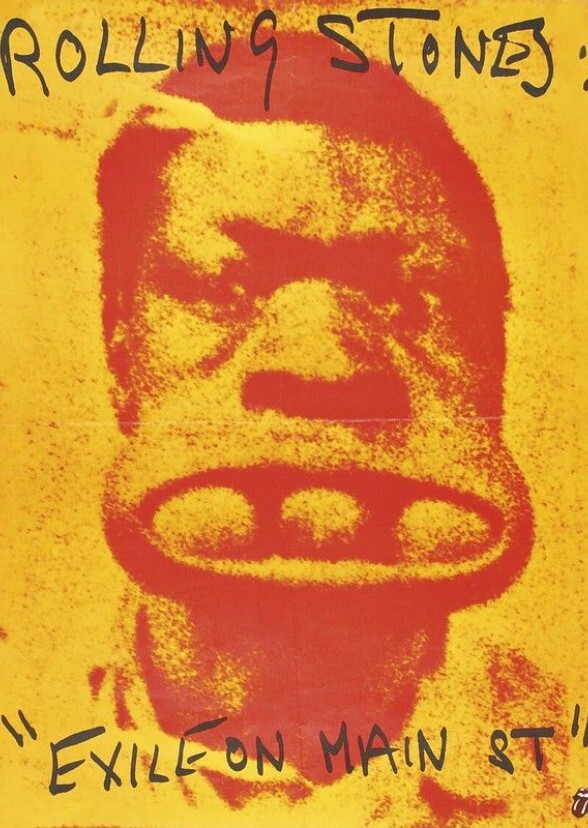
Jagger: Exile on Main St. (Biopic)
"Jagger: Exile on Main St." is not a typical rock biopic about the rise to fame. Instead, it is a sweaty, claustrophobic, and decadent drama set during the summer of 1971. Fleeing the British taxman, The Rolling Stones decamp to the Villa Nellcôte in the South of France. The film centers on Mick Jagger, who is at a crossroads: struggling to transition from the rebellious counterculture icon of the 60s to the shrewd, global business mogul of the 70s. The central conflict is the deteriorating dynamic between Mick and Keith Richards. While Keith sinks deeper into heroin addiction in the villa's basement (where the album Exile on Main St. is being recorded in chaotic, humid sessions), Mick is upstairs, managing the band's finances, navigating his new marriage to Bianca, and partying with the jet-set elite. The film is a portrait of a man trying to hold a disintegrating band together through sheer will, ego, and control, culminating in the realization that the chaos he tries to suppress is actually the fuel for their greatest music.
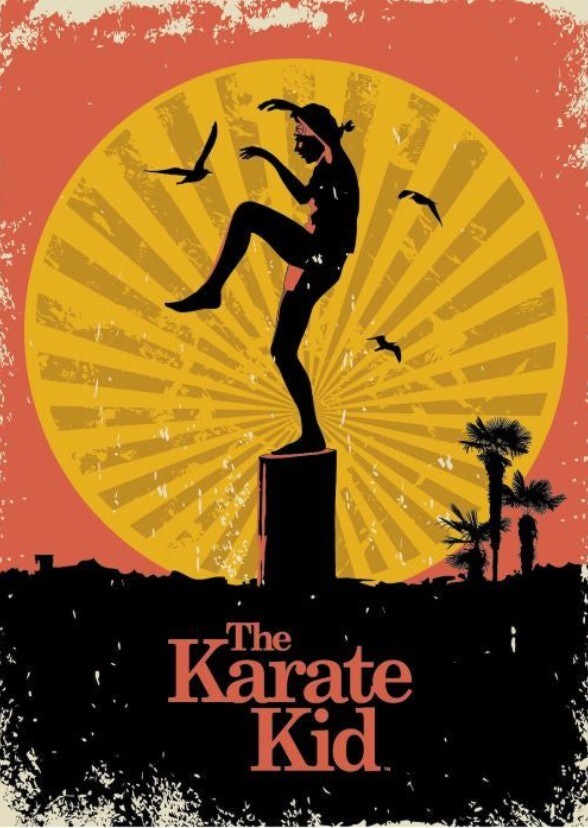
The Karate Kid (Modern Grit Remake)
his remake strips away the 80s gloss for a grounded, coming-of-age drama set in the gray, fading industrial landscape of Detroit (or a similar Rust Belt city). Danny, a fatherless teenager dealing with anger issues and poverty, moves with his overworked mother to a new city looking for a fresh start, only to find himself targeted by a gang of wealthy, MMA-trained bullies led by Johnny. These bullies belong to "Strike First," a high-end, brutal MMA gym run by the sadistic war veteran Kreese, who teaches that mercy is a weakness to be stomped out. Danny finds an unlikely protector in the building's maintenance man, Mr. Miyagi. In this version, Miyagi isn't just a "wise old master"; he is a secluded, perhaps alcoholic, veteran (of Vietnam or a fictional conflict) suffering from PTSD, who swore off fighting years ago. The training montage is less about waxing cars and more about manual labor, breath control, and finding balance in a chaotic world. The climax isn't a point-fighting tournament, but a full-contact regional championship where Danny fights not for a trophy, but to prove that composure and defense are stronger than blind aggression.

The Long and Winding Road (The Beatles Era 1968-1970 Biopic)
This is a claustrophobic, high-stakes character drama set almost entirely within the recording studios (Twickenham and Abbey Road) and the Apple Corps offices. It dissects the disintegration of the world's biggest friendship. The film focuses on John's heroin addiction and obsession with Yoko, Paul's desperate, controlling attempts to keep the band afloat, George's spiritual resentment at being ignored, and Ringo's weariness. It is a film about four men who love each other but can no longer stand to be in the same room, culminating in the rooftop concert—not as a triumph, but as a final, bittersweet goodbye.
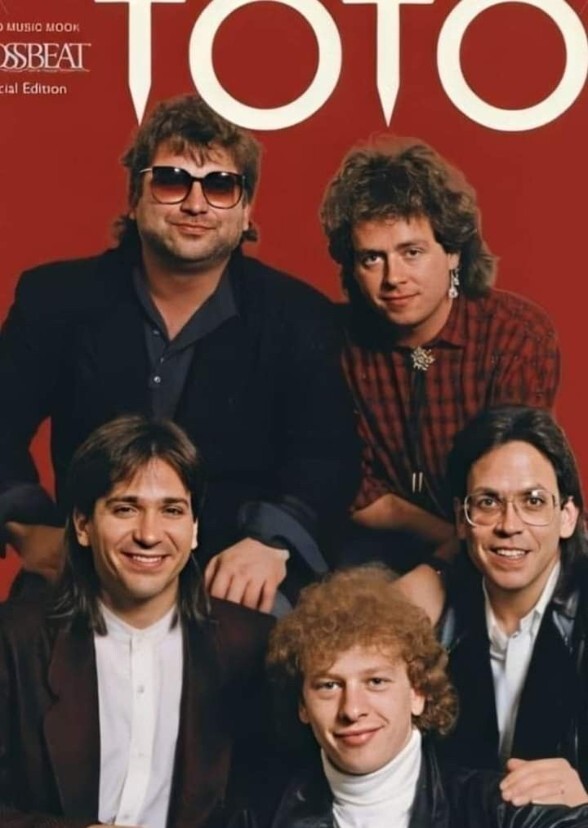
Toto: Hold the Line (Biopic)
"Toto: Hold the Line" is a music drama that looks beyond the memes of "Africa" to tell the story of the most talented, prolific, and unjustly hated band in rock history. The story centers on the Porcaro Brothers (Jeff, Steve, and Mike) and their high school friends (David Paich, Steve Lukather), who were sons of Hollywood session legends. By age 20, they were the "Wrecking Crew" of the late 70s, playing on almost every hit album on the radio (from Steely Dan to Michael Jackson’s Thriller). The central conflict is the tension between their immense musical genius and the lack of respect they received as a "faceless corporate band." The film tracks the rise of their masterpiece Toto IV, the chaotic internal dynamics involving lead singer Bobby Kimball, and the dark side of the LA studio life. The emotional core is the brotherhood, specifically focused on Jeff Porcaro, the band's heartbeat and leader, whose tragic, untimely death in 1992 marks the end of the film—a tribute to the man who gave the world the "Rosanna Shuffle."
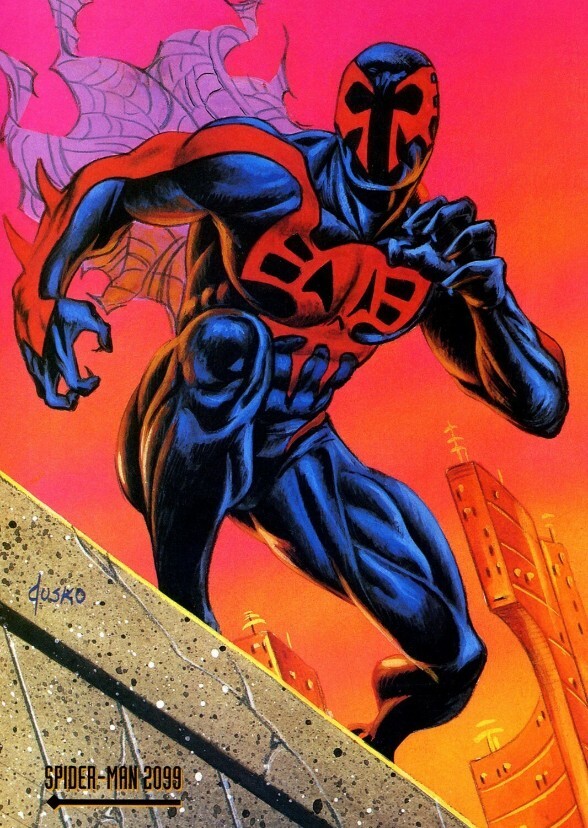
Spider-Man 2099 (Futuristic Cyberpunk Thriller)
The film, "Spider-Man 2099," is a high-octane, visually dazzling sci-fi thriller set in the year 2099 in Nueva York (a towering, neon-drenched Neo-New York). The world is ruled not by governments, but by mega-corporations, chiefly Alchemax. The protagonist is Miguel O'Hara, a brilliant but arrogant geneticist working for Alchemax who is trying to recreate the abilities of the legendary, long-dead Spider-Man to create corporate super-soldiers. When Miguel tries to resign over ethical concerns regarding human testing, his corrupt boss, Tyler Stone, forcefully addicts him to a synthetic drug called Rapture, which bonds to the user's DNA. In a desperate attempt to purge the drug from his system using his own genetic equipment, Miguel is sabotaged by a jealous colleague, resulting in his DNA being spliced with 50% spider DNA. The film is not a "friendly neighborhood" story. Miguel transforms into a frightening creature with talons, fangs, and red eyes. He doesn't have a spider-sense; he has enhanced vision and hearing. He becomes Spider-Man 2099 not to save the world, but initially to survive the "Public Eye" (Alchemax's private police force) and find a cure. However, seeing the rot of the city from the bottom up, he eventually accepts the mantle of the Spider to fight the corporate oppression he once served.

The Fantastic Four: Devourer of Worlds (Disney+ Limited Series - 2022)
Set in a retro-futuristic 1960s timeline (or a stylized alternate universe), "The Fantastic Four: Devourer of Worlds" is a sci-fi disaster thriller that takes place over 48 tense hours. The Fantastic Four are already established celebrity heroes, but their family dynamic is fracturing. Reed Richards has secluded himself in his lab, obsessed with a cosmic signal he calls "The Hunger." Sue Storm struggles to keep the team's public image intact while managing her brother Johnny’s reckless behavior and Ben Grimm’s deepening depression over his condition. The domestic drama halts when the Silver Surfer arrives—a silent, metallic herald causing atmospheric catastrophes across the globe. He brings a chilling message: his master, Galactus, is coming to feed. The series avoids the origin story entirely, focusing instead on the team's desperate race to understand the Surfer, find a scientific solution to stop a planetary-sized god, and resolve their internal conflicts before Earth is consumed. It’s a story about a dysfunctional family facing the literal end of the world.

Queen: Somebody to Love (Biopic)
Unlike the sanitized 2018 hit Bohemian Rhapsody, "Queen: Somebody to Love" is a raw, R-rated, and deeply psychological exploration of the band's internal dynamics. The film focuses less on the "Greatest Hits" montage and more on the creative warfare inside the studio during the 1970s and the hedonistic, lonely isolation of Freddie Mercury in the 1980s. The narrative is framed around the dichotomy of Freddie’s life: the shy, insecure immigrant Farrokh Bulsara versus the larger-than-life god Freddie Mercury. It delves unflinchingly into the underground gay subculture of New York and Munich that Freddie embraced, contrasting it with the domestic, grounded lives of Brian May, Roger Taylor, and John Deacon. The central conflict is the "family" of the band breaking apart under the weight of Freddie's solo ambitions and spiraling health, culminating not just in Live Aid, but in the quiet, heartbreaking recording of their final album, Innuendo, where a dying Freddie pushes his voice to the limit to leave a final message to the world.
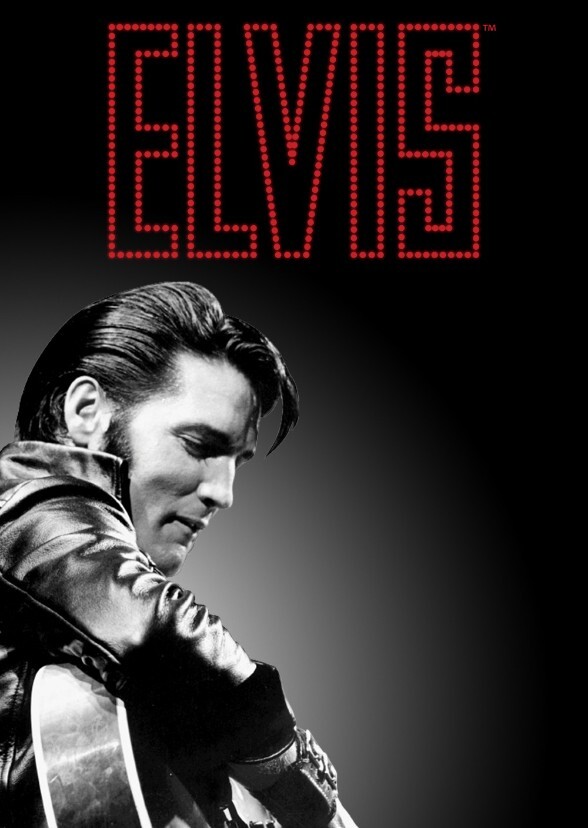
Elvis: The Comeback (Biopic)
"Elvis: The Comeback" is not a cradle-to-grave biography. It is a claustrophobic, high-stakes character study focused on a specific, pivotal year: 1968. The film finds Elvis Presley at 33 years old, trapped in a gilded cage. He is wealthy but artistically bankrupt, forced by his controlling manager, Colonel Tom Parker, to churn out terrible B-movies while the world of music (The Beatles, The Stones, Hendrix) leaves him behind. He is terrified that he has become a joke—a relic of the past. The narrative centers on the chaotic production of the 1968 Television Special. It depicts the intense power struggle between the Colonel (who wants a safe, cheesy Christmas sweater special) and the young, rebellious director Steve Binder, who wants to strip away the Hollywood gloss and unleash the raw, leather-clad rock & roller that Elvis used to be. The film explores Elvis's crippling anxiety, his pill dependency, and his desperate need to prove to himself—and the world—that he is still the King. It culminates in the legendary "Sit Down" acoustic set, a moment of pure, unadulterated musical redemption.

Nirvana: Come As You Are (Biopic)
"Nirvana: Come As You Are" is not a typical rock star glorification; it is a gritty, claustrophobic drama about the sudden, violent collision between punk ethics and global capitalism. The film tracks the band from the wet, gray boredom of Aberdeen and Olympia, Washington, to the terrifying stratosphere of global fame in 1991-1992. The narrative centers on the brotherhood between the fragile, hyper-sensitive Kurt Cobain, the goofy, giant-hearted Krist Novoselic, and the powerhouse drummer Dave Grohl, who injected the necessary pop-muscle into the band. The central conflict is Kurt’s deteriorating mental state as he realizes that the thing he wanted most (for people to hear his music) is destroying the thing he values most (his integrity and anonymity). The film captures the chaotic energy of the live shows, the drug-fueled haze of the downtime, and the complex, often toxic love affair with Courtney Love. It culminates not in death, but in a moment of quiet despair amidst the deafening roar of adoration—perhaps the reading of the Vanity Fair article or the Rome overdose—leaving the audience with the tragedy of a man trapped by his own voice.