

Stories by @kaueoliveira
222 stories

Madame Web: The Great Weaving (MCU Phase 6 - 2026)
Following the collapse of the multiverse (post-Secret Wars or leading into it), the Web of Life and Destiny—the mystical construct that holds all Spider-realities together—is rotting. Cassandra Webb is not an action hero; she is an ancient, blind, paralyzed clairvoyant kept alive by a massive, cybernetic life-support system in a pocket dimension. She is the Keeper of the Web. A terrifying interdimensional predator known as Morlun (an Inheritor) has begun hunting "Spider-Totems" across timelines, feeding on their life essence to gain immortality. Realizing she is too weak to fight him physically, Cassandra must project her consciousness to Earth-616 to recruit a successor: Julia Carpenter, a disgraced former government agent and single mother. The film is a trippy, visual spectacle (think The Matrix meets Everything Everywhere All At Once) where the battles take place on the astral plane and within memories. Cassandra must teach Julia to see the future and accept the burden of the Web before Morlun severs the final thread of reality.

Deadpool 4: Maximum Effort (The Deadpool Corps)
The film opens with Wade Wilson trying to live a normal, quiet life, having finally "saved the universe." He is running a chimichanga food truck in Queens. However, his reality begins to glitch. A militaristic, humorless, and hyper-competent variant known as Dreadpool (from the Deadpool Kills the Marvel Universe timeline) arrives. Dreadpool believes that the only way to save the multiverse from "franchise fatigue" is to eliminate every "funny" version of himself. Wade is outmatched by this serious version. To survive, he uses a broken temp-pad to recruit the Deadpool Corps—a dysfunction family of variants including Lady Deadpool, Kidpool, Dogpool, and the rotting Headpool. The film is a chaotic road trip through rejected timelines. The meta-conflict is "Comedy vs. Gritty Realism." Dreadpool wants to turn the movie into a Zack Snyder-style dark epic; Wade just wants to keep the rating R for the jokes, not the depression.
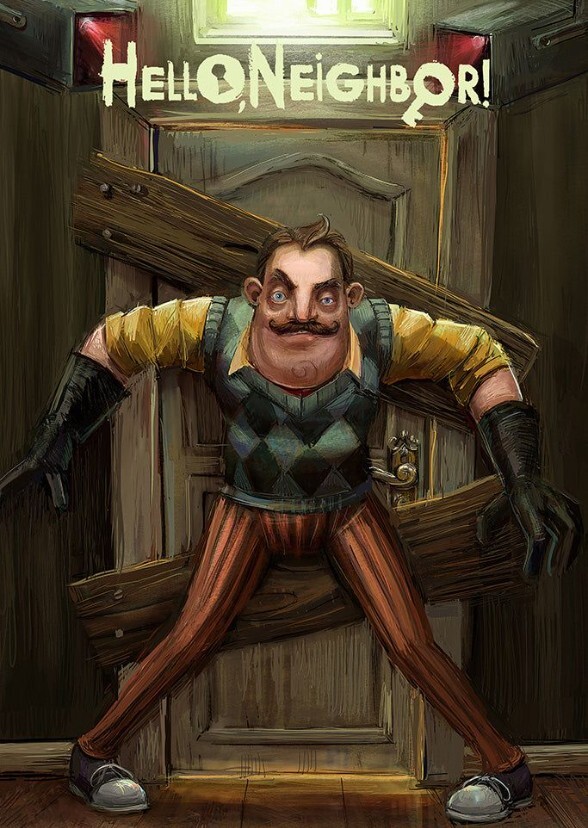
Hello Neighbor (Psychological Horror Thriller)
"Hello Neighbor" is a tense and visually stylized thriller set in the seemingly perfect suburb of Raven Brooks. The story follows Nicky Roth, a lonely and observant teenager who moves into the house across the street from Mr. Peterson, a reclusive and strange man whom the neighborhood avoids. After hearing muffled screams and witnessing erratic behavior through the window, Nicky becomes obsessed with discovering what Peterson is hiding in his basement. The film blends a "cat and mouse" investigation (where Peterson always seems to be one step ahead, adapting to Nicky's attempts to break in) with surreal nightmare sequences that reveal the neighbor's tragic past: the loss of his wife and children. As Nicky descends deeper into the house—which becomes an impossible and twisted labyrinth—he discovers that the real horror is not just what's in the basement, but the broken mind of a man consumed by grief.

One Punch Man (Live-Action)
"One Punch Man" is an action-comedy that deconstructs the superhero genre with a dry, existential wit. In a world constantly besieged by "Kaiju-level" monsters and eccentric supervillains, society relies on the Hero Association, a corporate bureaucracy that ranks heroes based on popularity and power. Enter Saitama, an unemployed salaryman who trained so hard he went bald and broke his "limiter." He is now the strongest being in the universe, capable of defeating any enemy with a single punch. The conflict isn't about saving the world—Saitama does that easily, usually while worrying about supermarket sales. The conflict is his profound, crushing boredom and depression. He feels nothing: no thrill, no fear, no glory. The film follows his reluctance to take on a disciple, the intense cyborg Genos, and his navigation of the Hero Association politics that refuse to recognize his strength. The climax features the arrival of Boros, an alien warlord searching for a worthy opponent. It is a battle between a maniacal conqueror desperate for a fight and a depressed human desperate to feel something, anything, again.
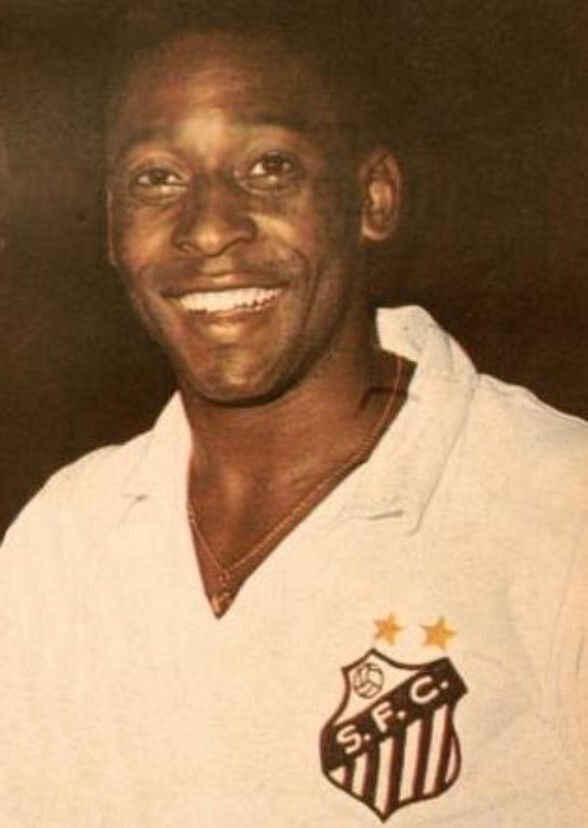
The King (Biopic)
"The King" is not just about soccer; it is a psychological and political thriller about the construction of a god under the shadow of an oppressive regime. The film traces the journey of Edson Arantes do Nascimento from the poverty of Bauru, where he promised his father he would win a World Cup, to becoming the most valuable asset in Brazil. The central conflict focuses on the Military Dictatorship Era (1964-1985). While the world saw the magical smile and "The Beautiful Game," the film reveals the backstage reality: Pelé as a golden prisoner, barred from playing in Europe by a government that declared him a "National Treasure" to exploit his image for nationalist propaganda. The narrative explores the torturous duality between Edson (the man who wanted to protect his family and remain neutral) and Pelé (the myth General Médici needed to pacify the people). It also highlights his complex relationship with Garrincha—the "Angel with Bent Legs" who succumbed to the vices Pelé coldly avoided. The climax is the 1970 World Cup: not a celebration, but a life-or-death mission where winning meant surviving the pressure of an entire nation and its generals.

NORAH
Victor Fries is a brilliant but reclusive cryogenic engineer at GothCorp, whose only connection to humanity is his vibrant wife, Nora. When Nora is diagnosed with a rare and incurable neurodegenerative disease, Victor convinces his boss, the ambitious Ferris Boyle, to let him use experimental equipment to put her into stasis (cryogenic freezing) until a cure is found. The film focuses on Victor's mental deterioration as he spends days and nights talking to Nora's glass tube, while GothCorp decides to cut funding. The climax is not a fight against Batman, but the brutal moment when Boyle attempts to pull the plug on Nora, resulting in the accident that alters Victor's DNA. The third act is a "silent massacre" where a transformed Victor, unable to feel heat, seeks revenge and the resources to save his wife, crossing paths with a shadow watching over Gotham.
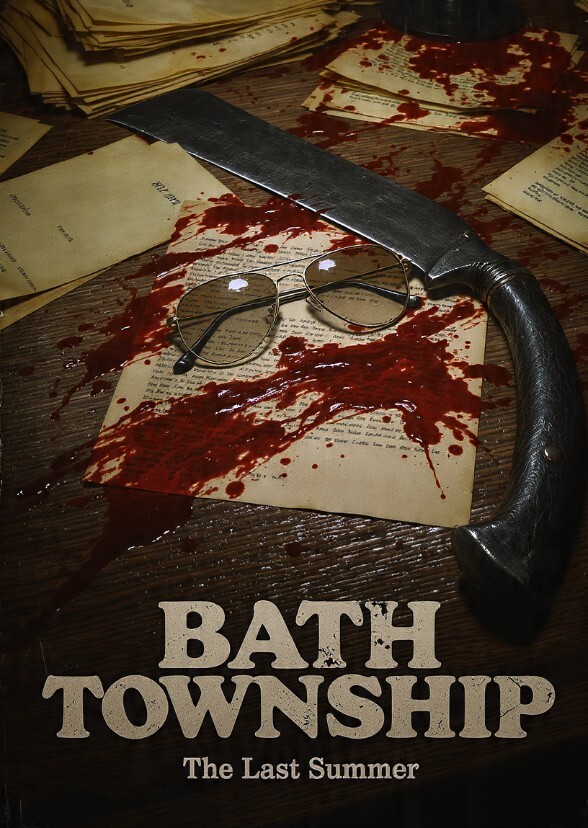
BATH TOWNSHIP
June 1978. Ohio. While his classmates celebrate graduation and the future, 18-year-old Jeffrey sees his world falling apart. His parents are going through a violent divorce, his mother is leaving with his younger brother, and his father is away on business. Alone in a large house in the middle of the woods, Jeffrey battles internal ghosts and impulses he doesn't understand. The story culminates on the fateful day he spots Steven Hicks, a charismatic hitchhiker heading to a rock concert. The film focuses intensely on the hours they spend together: the ride, the conversation about music, the beer in the empty house, and the growing tension between Jeffrey's desire not to be alone and his inability to connect humanly, leading to the first and tragic "sin" that would seal his fate as a monster.
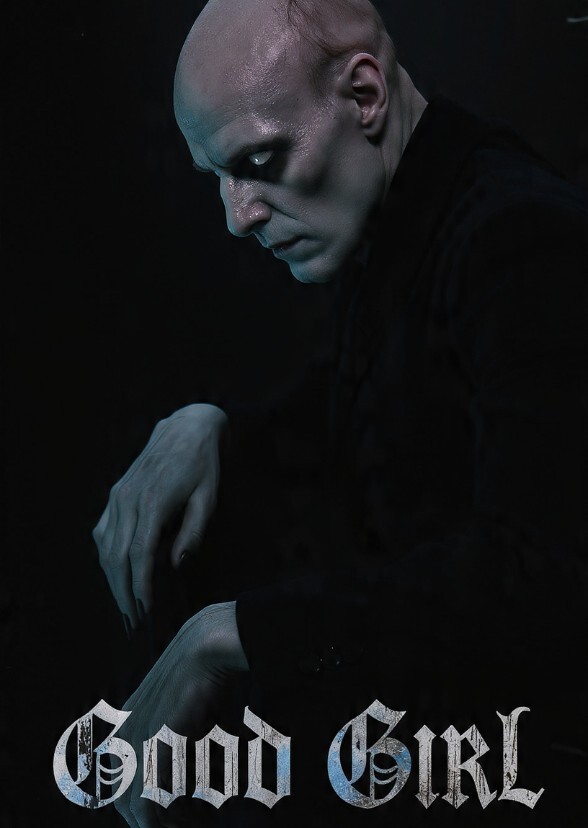
Good Girl (2026 - Industrial Gothic Horror)
In a decaying industrial city known only as "The Sprawl," soot stains the sky and the sun is rarely seen. Elara, a dutiful and repressed young librarian, spends her life caring for her dying father and keeping her head down. Her mundane life is interrupted when she discovers a century-old diary in the archives detailing a "plague of anemia" that once wiped out the city’s workforce. Simultaneously, the reclusive foreign industrialist Count Orlok arrives to reopen the abandoned steel mill, promising economic salvation. However, Orlok is not just a capitalist; he is an ancient parasite. He doesn't just drink blood; he feeds on the collective life force and misery of the city. As a mysterious wasting disease begins to claim the workers, Elara is drawn into Orlok’s orbit. He is fascinated by her "goodness" and purity, not to destroy it, but to corrupt it. Elara finds herself in a race to save her city, while fighting a terrifying, intoxicating attraction to the creature who promises to liberate her from her life of servitude.
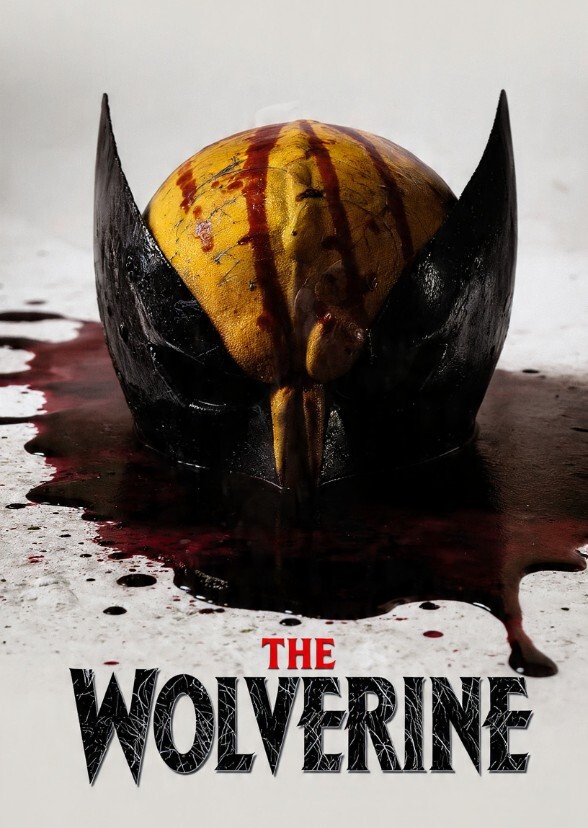
Wolverine: Weapon X (Sony Pictures - R-Rated)
The film is a visceral and bloody survival thriller. Logan, a man with no memory but indestructible metal claws and a healing factor that makes him nearly immortal, is on the run in the snowy forests of Canada. He is being hunted by Division H, a secret paramilitary organization led by the sadistic Dr. Cornelius and his enforcer, Sabretooth. Logan is not a hero; he is a cornered animal. The plot focuses on the body horror of the Weapon X experiment — the constant pain of the metal poisoning his blood and the struggle to maintain his humanity while the beast within wants to take over. When he crosses paths with a young fugitive (perhaps an early version of Jubilee or X-23), he is forced to stop running and become the predator. The climax is a brutal battle in an underground laboratory, filmed with the intensity of a horror movie.

Snow White (Dark Fantasy Reboot)
The Kingdom is trapped in an unnatural, eternal winter. Queen Grimhilde, a sorceress obsessed with immortality, rules with an iron fist, using the life essence of the land to maintain her youth. Her stepdaughter, Snow White, is kept hidden in the castle towers—not just because of her beauty, but because she possesses a rare, raw connection to nature that the Queen fears. When the Magic Mirror reveals that Snow White’s power has surpassed the Queen's, the order is given to cut out her heart. Snow White escapes the executioner (The Huntsman) and flees into the Black Forest, a terrifying realm of twisting roots and dark magic. There, she is taken in not by seven "dwarfs," but by seven outcast miners—disfigured survivors of the Queen's greed living deep underground. The film is a survival thriller where Snow White must harden her heart, learn to wield a blade, and lead a revolution of the broken and the banished to shatter the Queen's mirror and end the winter forever.
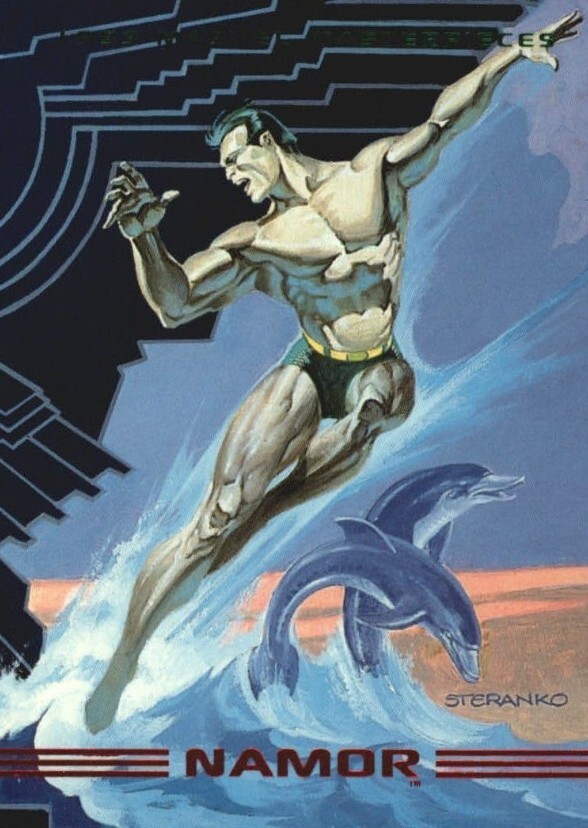
Namor: The Sub-Mariner (Sony Pictures Standalone)
"Namor: The Sub-Mariner" is a geopolitical action thriller with sci-fi elements. The film establishes Atlantis not as a magical kingdom, but as a hyper-advanced, isolationist military superpower hidden in the Marianas Trench. Namor McKenzie, the half-human, half-Atlantean Emperor, is a mutant born with winged ankles and the ability to fly—traits that make him a god among his own people but a freak to the surface. The conflict begins when a Roxxon Energy deep-sea drilling platform (illegally searching for Vibranium or a similar resource) breaches the Atlantean heat shields, causing a catastrophe. Namor demands retribution. While his warlord Attuma pushes for total annihilation of the surface, Namor ventures to New York (as a CEO/Diplomat in a suit) to issue a final warning to the UN. The film is a character study of an arrogant, rage-fueled king caught between two worlds, fighting eco-terrorists, his own treacherous council, and the realization that he might have to destroy his father's world to save his mother's.
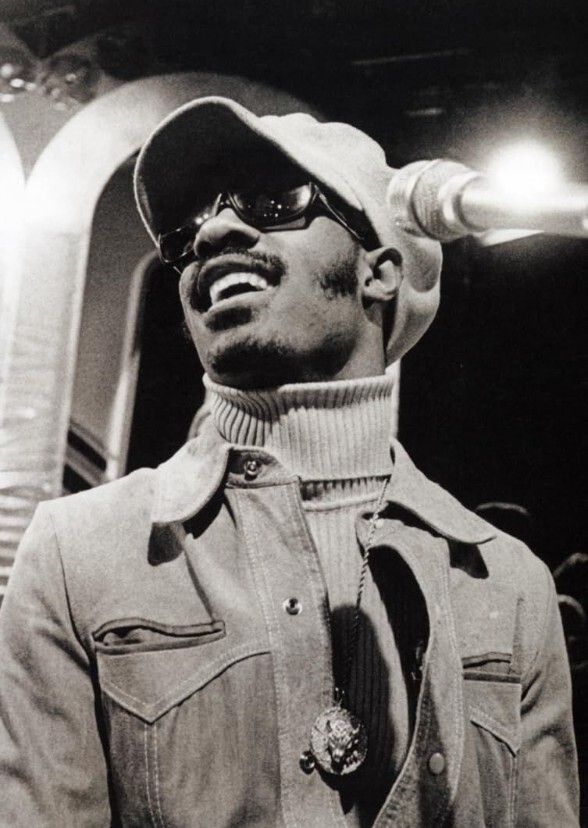
Stevie: Higher Ground (Biopic)
"Stevie: Higher Ground" is not a standard biopic; it is a musical odyssey focused on the most creatively explosive period in the history of American music: 1971 to 1976. The film begins with Stevie Wonder turning 21. No longer "Little Stevie," the Motown child prodigy, he does the unthinkable: he lets his contract expire and demands full creative control from the terrifying Berry Gordy, threatening to quit music entirely if he doesn't get it. The film visualizes Stevie’s blindness not as darkness, but as a vibrant, synesthetic explosion of color and sound. It tracks his partnership with electronic music pioneers (Malcolm Cecil and Robert Margouleff) to build the "Big Brother" synthesizer, creating sounds never heard before. The narrative arc is punctuated by the tragic 1973 car accident that left him in a coma and permanently lost his sense of smell, a near-death experience that deepened his spirituality and political activism. It culminates in the marathon recording sessions for Songs in the Key of Life, portraying Stevie not just as a singer, but as a relentless, perfectionist musical architect building a legacy while fighting for civil rights.

Chow Time (Fictional Horror Movie)
"Chow Time" is a grotesque, satirical horror film set in an isolated juvenile correctional facility located in a forgotten, swampy region (likely the Deep South). The facility, The St. Jude Institute, promises to reform delinquents through "hard labor and proper nutrition." The film follows Dante, a new arrival who realizes that the facility's routine revolves obsessively around "Chow Time" (lunch). The food is an addictive, grey sludge served by a gigantic, mute Chef wearing a welder's mask made of pigskin. The horror unfolds when Dante discovers the "Factory" in the basement: students who "graduate" don't go home. They are industrially processed. The film is a sensory nightmare of chewing sounds, industrial grinders, and body horror, culminating in a lunch-hour riot where starving students must fight against the staff to avoid becoming the main course.

The Hunchback of Notre Dame (Live-Action 2026)
Paris, 1482. The city is a powder keg of social tension, crushed between the corruption of the Church and the anarchy of the outcasts. Quasimodo, a deformed and partially deaf young man (faithful to the book), lives hidden in the bell towers, serving as the ringer and "pet monster" of Archdeacon Claude Frollo. Frollo is not just a villain; he is a man consumed by puritanical righteousness and a violent, repressed lust for the Romani dancer, Esmeralda. When Quasimodo ventures out to the Festival of Fools and is tortured by the mob, only Esmeralda shows him compassion. This triggers Frollo's obsession, ordering Paris to burn until she is found. The film focuses on Quasimodo's tragedy: he knows he will never be loved romantically, but he fights to protect the only person who saw him as human. The narrative culminates in the Siege of the Cathedral, a brutal battle between Frollo's soldiers and the outcasts of the Court of Miracles, with a bittersweet ending that honors human dignity and sacrifice.
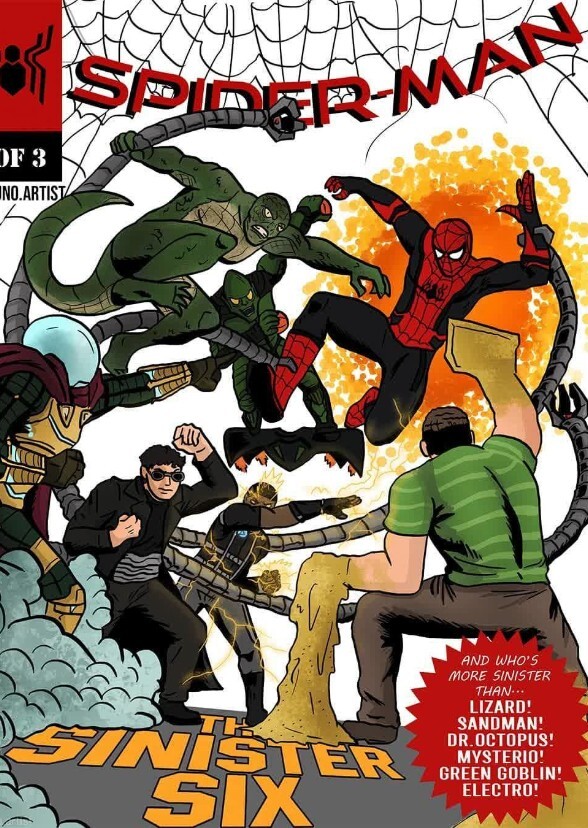
Marvel Television's Sinister Six (Limited Series)
The series takes place in the gritty underbelly of the MCU. Spider-Man is not the protagonist; he is the horror movie monster lurking in the shadows, a terrifying force of nature that these criminals are desperately trying to avoid. The story follows Otto Octavius, a brilliant but disgraced physicist whose life’s work was stolen by Oscorp. Sitting in The Raft prison, he is approached by a mysterious benefactor (The Gentleman) with an offer: freedom and funding in exchange for leading a team to rob a heavily guarded Department of Damage Control vault. Otto assembles a crew of fractured outcasts, each needing the score for personal reasons. The dynamic is volatile: egos clash, paranoia sets in, and the plan goes wrong at every turn. They aren't trying to take over the world; they are trying to survive the night, steal the tech, and escape before the "Wall-Crawler" finds them. The series explores the human side of villainy—the debt, the sickness, the ego—and asks if bad people can do good things for the wrong reasons.

Freddy vs. Jason: Returns (2026)
Decades after their fiery showdown at Camp Crystal Lake, the world has forgotten the Springwood Slasher and the Lake Juggernaut. This is by design. A shadowy pharmaceutical conglomerate, DreamCorr, has effectively suppressed the legend of Freddy Krueger by mass-marketing a miracle drug called "No-REM," which eliminates dreams entirely, starving Freddy of his power source. Meanwhile, the ruins of Camp Crystal Lake have been turned into a black-site containment facility where a comatose, regenerating Jason Voorhees is kept on ice, studied for his immortality. The horror begins when a group of "dark tourism" streamers and hackers break into the DreamCorr facility to expose the "unethical experiments," inadvertently cutting the power to Jason's cryo-stasis. Simultaneously, the hack disrupts the drug distribution network, causing a massive withdrawal event in Springwood. Thousands of teens suddenly dream for the first time in years. A starving, desperate, and sadistic Freddy realizes he is too weak to harvest them alone, so he manipulates the newly awakened Jason into coming to Springwood to start the slaughter. The film is a blood-soaked race against time as the final girl, Maya, must find a way to trap both monsters in the waking world before they tear the entire town apart.
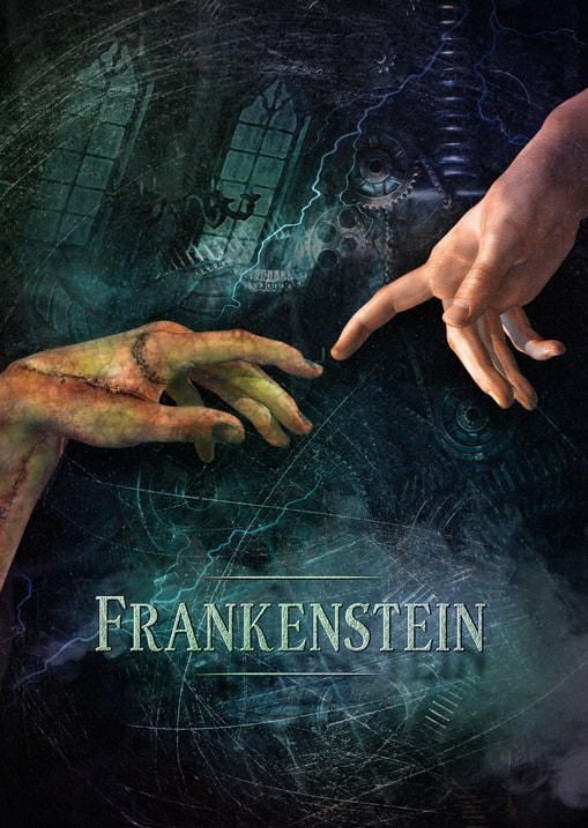
The Frankenstein (2002 Psychological Horror)
Set in a grim, wintry 18th-century Europe, but shot with the kinetic, desaturated style of early 2000s thrillers. Victor Frankenstein is not a cackling old man, but a brilliant, arrogant 25-year-old medical dropout obsessed with conquering death after the loss of his mother. The film focuses on the gruesome, sweaty reality of the creation process: stealing fresh limbs, the smell of chemicals, and the sheer physical toll it takes on Victor. When The Creature awakens, it is not a groaning buffoon, but a confused, highly intelligent, and physically superior being in constant pain. The film becomes a cat-and-mouse thriller across the Arctic ice, exploring the idea that the Monster is the only one who truly understands Victor's narcissism. It ends not with a windmill fire, but a quiet, devastating confrontation in the freezing dark, questioning who is the true abomination.
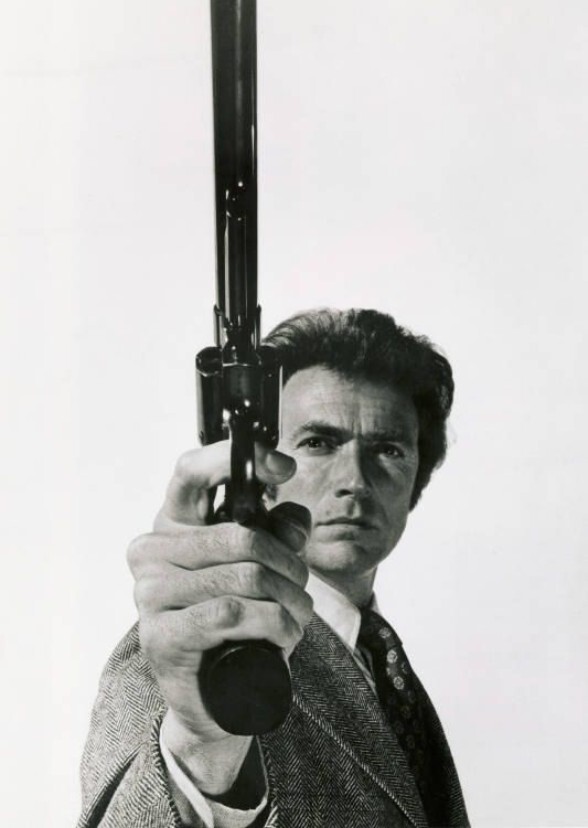
Eastwood: The Long Shadow (Biopic)
"Eastwood: The Long Shadow" is not a standard celebration of a Hollywood icon; it is a deconstruction of the American male myth. The film operates on two timelines. The first timeline tracks Clint Eastwood in the 1960s—a frustrated, tall, awkward contract player on Rawhide who is fired for having a "bad tooth" and talking too slowly. It follows his desperate gamble to go to Italy to film a cheap western with an unknown director, Sergio Leone, where he accidentally creates the "Man With No Name" persona. The second, more dominant timeline is set in the early 1990s. Clint is an aging icon. His recent movies (The Rookie, Pink Cadillac) are critical flops. He is seen as a dinosaur, a relic of a violent, misogynistic past. He is struggling with his turbulent breakup with Sondra Locke and fighting to get his passion project greenlit—a revisionist western script he has sat on for ten years called Unforgiven. The film explores the conflict between the violent, silent hero the world wants him to be and the sensitive, jazz-loving artist he actually is. It culminates in the filming of Unforgiven, where he finally kills his own myth to be reborn as a master filmmaker.

KISS: You Wanted the Best (Biopic)
"KISS: You Wanted the Best" is not a celebration of rock and roll excess; it is a corporate thriller disguised as a glam-rock movie. The film focuses on the distinct divide between the "band" and the "business." It begins in the gritty streets of early 70s New York, where Chaim Witz (Gene Simmons) and Stanley Eisen (Paul Stanley) are not just musicians, but ambitious architects of a brand, desperate to escape their backgrounds. They recruit the volatile, street-smart drummer Peter Criss and the spacey, incredibly talented guitarist Ace Frehley. The central conflict explores the pact they made: to wear the makeup, they had to suppress their identities. As the band skyrockets from playing empty lofts to selling out stadiums in Japan, the psychological toll of the masks takes over. Gene and Paul become ruthless CEOs, obsessed with merchandising and control, while Ace and Peter—the "heart and soul"—spiral into addiction and resentment, feeling like employees in their own band. The film culminates in the disastrous 1978 solo albums era and the filming of KISS Meets the Phantom of the Park, a moment of pure absurdity that shattered the band's brotherhood forever.
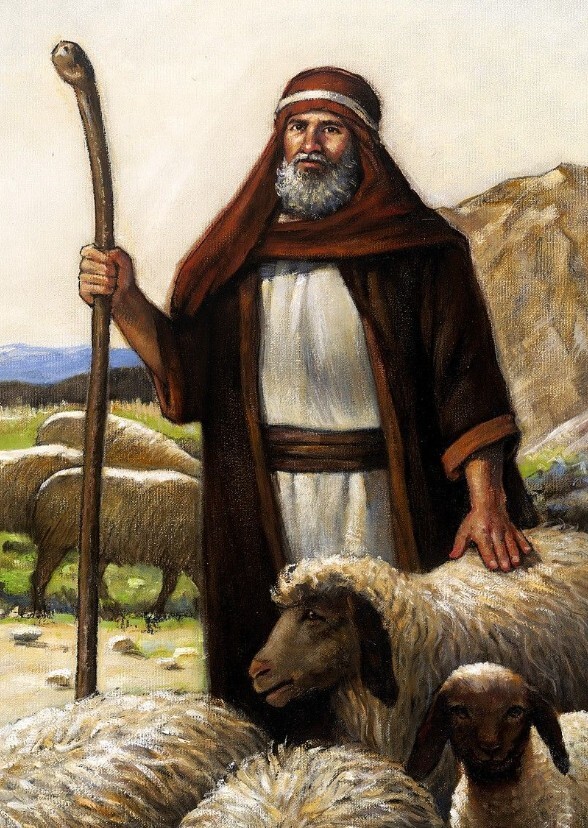
Moses: The Shepherd (Biopic)
"Moses: The Shepherd" is a sweeping historical epic that grounds the biblical legend in gritty realism and political intrigue. It eschews the theatricality of The Ten Commandments for a psychological look at a man caught between two identities. The film begins with Moses as a high-ranking Prince of Egypt, a brilliant but impulsive general plagued by a severe speech impediment (a stammer) that makes him insecure and reliant on his brother Ramses. The core conflict is the shattering of his identity upon discovering his Hebrew heritage and his impulsive murder of an Egyptian slave driver. The film dedicates significant time to his exile in Midian—his transformation from a prince to a humble shepherd who finds peace away from power. The burning bush sequence is portrayed not as a light show, but as a terrifying, mind-breaking encounter with the Divine that leaves Moses reluctant and fearful. The return to Egypt is a grim clash of wills, focusing on the ecological and societal horror of the Plagues and the breaking of the brotherhood with Ramses. It is a story about a man who learns that true leadership is not about commanding armies, but about serving a people.