

Stories by @kaueoliveira
222 stories

Scarecrow: The Fear Tapes (DCU Horror Spinoff)
Presented as a compilation of "recovered digital evidence" from the GCPD Cold Case files, the film follows a team of three graduate psychology students from Gotham University. They are working on a thesis about "The Urban Legends of Fear," specifically focusing on the discredited and exiled academic, Dr. Jonathan Crane, who vanished years ago into the rural, rotting outskirts of Gotham’s marshlands. Armed with cameras and audio equipment, they break into the condemned Crane Family Estate to find his original research journals. The horror begins slowly: local townspeople give cryptic warnings, and the house itself seems like a maze. The turning point occurs when the group accidentally triggers a booby trap, releasing a concentrated, prototype "Fear Dust." From this moment on, the camera’s perspective becomes unreliable. The audience sees what the students see: grotesque distortions of reality, walls breathing, and their own traumas manifesting as monsters. The Scarecrow is rarely seen fully; he is a silhouette in the grain of the footage, a whisper in the audio, and a burlap mask flashing in the strobe light, studying them like lab rats until the tape cuts to black.
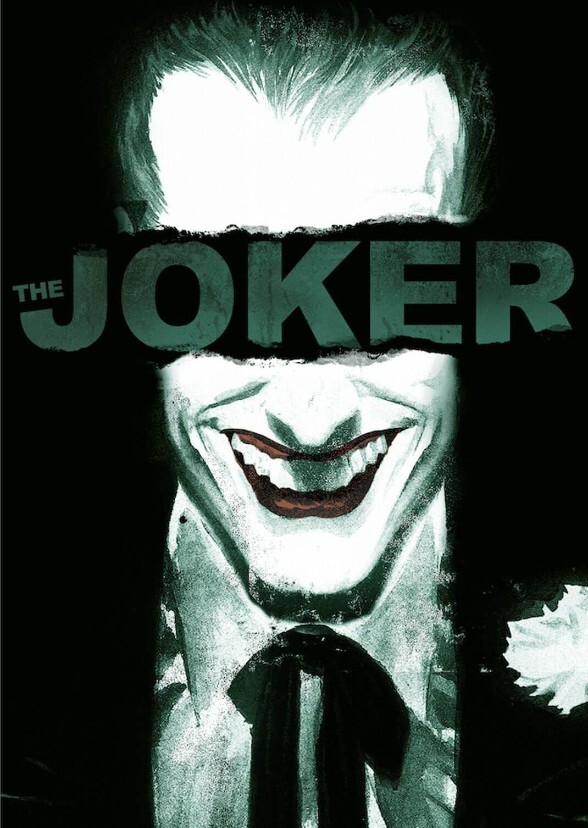
The Joker: The Pale Man (DC Universe - DCU)
Set within the new DCU (James Gunn's universe), this film or series arc establishes the Joker not as a rising criminal, but as the "Clown Prince of Crime" who has plagued Gotham for over a decade. He is an established nightmare—a criminal mastermind who views his conflict with Batman not as a war, but as a twisted romantic comedy of violence. The story shifts the dynamic: Batman now has a biological son, Damian Wayne (Robin). The Joker, feeling replaced and jealous of this new "sidekick" taking Batman's attention, orchestrates a psychological campaign to break the boy. He doesn't want to kill Damian; he wants to mold him, to prove that even the son of the Bat is just "one bad day" away from becoming a monster. The narrative is a psychological horror-thriller that takes place over a single Halloween night in Arkham Asylum, which Joker has silently taken over, turning it into a funhouse of traps designed specifically to test the bond between father and son.
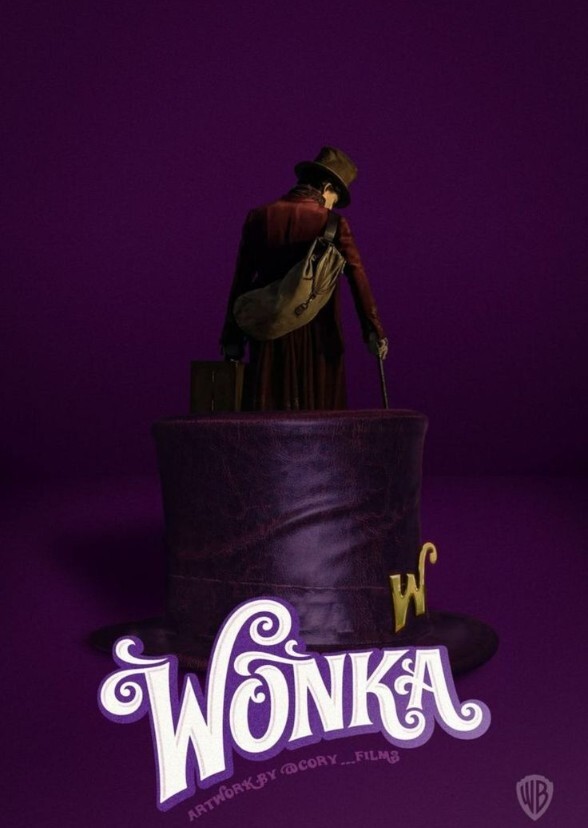
Willy Wonka: The Chocolate Recluse (Live-Action Reboot)
This version is a psychological drama with elements of dark fantasy, set in the modern day. Willy Wonka is presented not just as eccentric, but as a traumatized, misanthropic genius, terrified of the outside world and utterly disillusioned with humanity's greed. The Golden Ticket contest is his desperate, final social experiment: a search for one uncorrupted soul (Charlie Bucket) who can prove that humanity is still worth caring about. The journey through the factory is less a spectacle and more a terrifying character test, where each child represents a modern sin that meets a dark, satirical fate designed by the cynical owner. The film explores Wonka's intense solitude and the hope that Charlie's genuine goodness can fill the emptiness in the genius's heart.
Marvel Studios' Kraven The Hunter (MCU Reboot)
The film, "Kraven The Hunter," is a grounded, R-rated (if the MCU allowed it) action-thriller set within the established MCU, focusing on the dark, complex origins of Sergei Kravinoff. Sergei is introduced not as a comic book caricature, but as a brilliant, physically dominant, and morally ambiguous Russian aristocrat whose family lineage is steeped in ancient hunting traditions and immense wealth. After a traumatic, near-fatal encounter with an animal or a local militia during a hunt, Sergei gains a connection to primal, almost mystical energies (perhaps a variation of the MCU’s super-soldier serum or a mystical plant), granting him enhanced strength, speed, and senses. His obsession is no longer just "the hunt," but the need to conquer a worthy rival to prove he is the ultimate apex predator, replacing the sense of self he lost. His migration to New York City is driven by a singular purpose: to hunt Spider-Man, whom he sees as the only worthy quarry—the ultimate human-animal hybrid. The film explores the conflict between his aristocratic code of honor (he views Spider-Man as a noble beast) and his brutal, primal nature. It’s a survival story for Spider-Man and a tragic psychological journey for Kraven, a man who has lost his humanity in his obsessive quest for meaning.
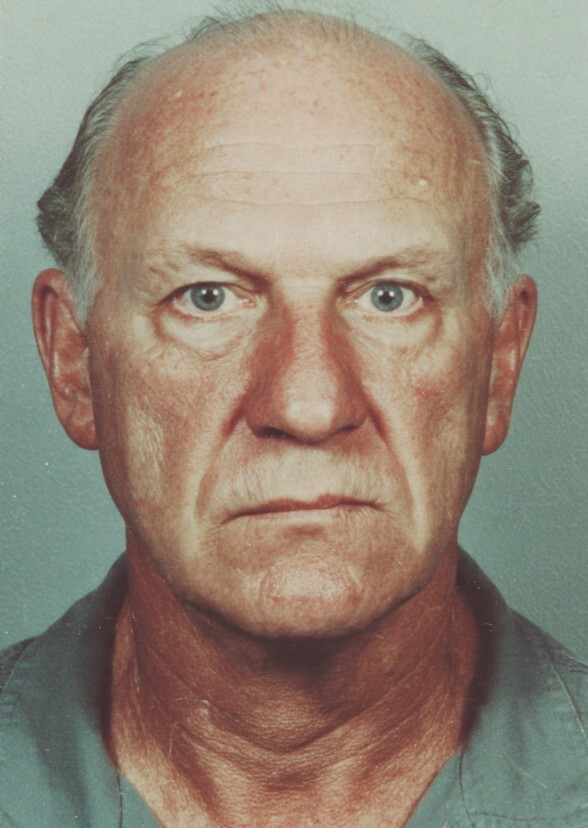
The Last Face (Psychological Drama Miniseries)
The miniseries "The Last Face" is a three-part psychological drama charting the dark, decade-spanning evolution of Harold "Hal" Vance, a Canadian serial killer driven by a primal obsession with faces and extreme and identity repression. The narrative splits across the 1940s-50s (The Clown), the 1960s (The Outlaw Predator), and the 1970s-90s (The Final Decline). The film focuses on Hal's fractured psyche, his internal struggle with his repressed sexuality in a hostile society, and how his compulsion to "collect" morphs from an obsession with faces to a destructive, high-risk violence. The climax is his violent prison death in 1994, a brutal and ironic final reckoning for a man whose true identity was never his own.

Story of The Monster: A Tale of Mary Shelley (Biopic)
The film, "Story of The Monster," is a Gothic psychological drama that eschews the traditional literary biopic structure to focus on the brief, intensely creative, and tragic period in Mary Shelley's (née Godwin) life that led to the creation of Frankenstein. The story begins with Mary as a young, intellectual woman, fleeing her conventional life to enter a passionate, morally complex, and tumultuous relationship with the romantic poet Percy Bysshe Shelley. Their lives are a whirlwind of radical ideas, intellectual fire, and reckless emotional abandon. The central narrative is set during the infamous "Year Without a Summer" (1816) when Mary, Percy, and Lord Byron were confined indoors at Villa Diodati. The film uses the dreary atmosphere, the competitive intellectualism, and the ghosts of Mary's own personal tragedies—including the loss of her infant child—to fuel her imagination. The Monster's creation is visualized not as a simple writing act, but as a direct, psychological manifestation of Mary's deepest fears: the horror of birth and death, the guilt of ambition, and the feeling of intellectual rejection. The story culminates with the publishing of Frankenstein, but the focus remains on the author's internal life—a woman who brought a profound, timeless horror to life by grappling with her own devastating grief and the isolation of her genius.

The Grinch (How the Grinch Stole Christmas) - Live-Action Reboot
This new adaptation of "The Grinch" is a fantasy comedy with a darker heart, staying truer to the tone of the original Dr. Seuss book but with a blockbuster visual scale. The story is set in the colorful, obsessively cheerful town of Whoville, where Christmas is the central celebration of existence. Far away from the town, atop Mount Crumpit, lives the Grinch, a green, furry, and misanthropic creature whose hatred for joy and, especially, Christmas, is of epic proportions. Driven by a deep-seated, painful aversion to the noise and happiness of the Whos' Christmas, the Grinch plots an audacious scheme: to steal all the presents, decorations, and even the feast, hoping to "prevent Christmas from coming." However, the small, spirited Cindy Lou Who (a six-year-old girl) crosses the Grinch's path, becoming his first genuine obstacle. The narrative culminates when the Grinch realizes that Christmas is not about presents or things, but something that resides in the hearts of the Whos, leading to his own revelation that his heart is, in fact, not empty. The film is a story of redemption and the discovery that joy, even if forced, is contagious.
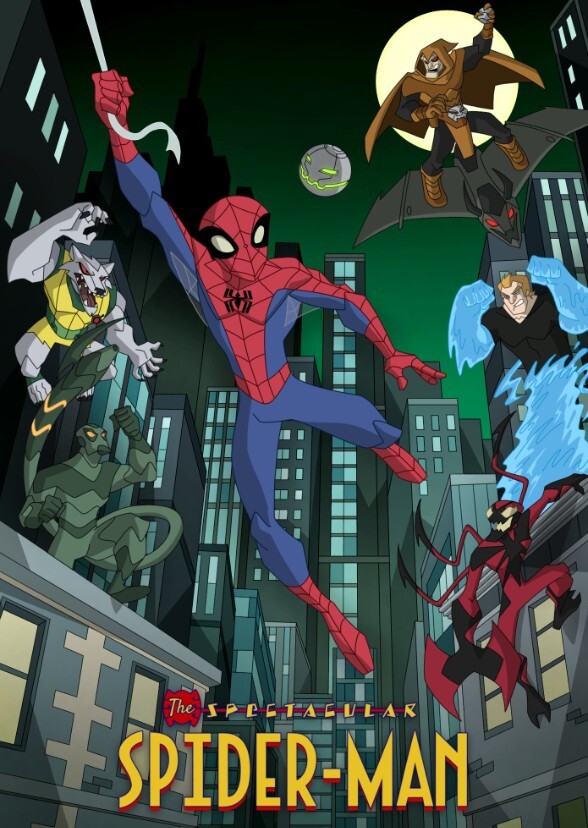
The Spectacular Spider-Man (MCU Phase 2, 2013)
This film takes place at the end of MCU Phase 2 (circa 2013), post-Iron Man 3 and pre-Captain America: The Winter Soldier. Spider-Man has been an active, shadowy figure in New York for about a year. His existence is an urban rumor or an internet legend, not yet fully verified by major agencies like S.H.I.E.L.D. or widely accepted by the public. The focus is on an adventure where Peter Parker is already the hero, dealing with significant threats while struggling to maintain his double life.

Miles Morales: Spider-Man (Marvel Studios)
The film, "Miles Morales: Spider-Man," is a vibrant, contemporary coming-of-age story set in a visually dynamic New York City that has already known the presence of Peter Parker's Spider-Man. Miles Morales, a charismatic but initially reluctant teenager from Brooklyn, struggles to balance his passion for art and street culture with the intense academic pressure from his parents, Jefferson and Rio Morales. His life is violently upended when he is bitten by a genetically altered spider and gains powers similar to the recently vanished (or deceased) Peter Parker. The narrative focuses on Miles's chaotic and awkward journey into heroism. Without the guidance of his predecessor, he must learn to control a new set of abilities, including camouflage and a venom strike, while grappling with immense guilt and the legacy of the original Spider-Man. He is secretly mentored by an older, more cynical version of Peter Parker from another dimension (or a version of the main universe Peter who is in hiding). The film culminates in Miles accepting his own unique identity as the new Spider-Man, realizing that his power comes not from the spider, but from the love and responsibility he feels for his family, friends, and city.

Naruto: The Will of Fire (Live-Action Series/Film)
In the hidden village of Konoha, a hyperactive and outcast orphan named Naruto Uzumaki dreams of becoming the village's leader, the Hokage, to finally earn the respect of the people who have shunned him his whole life. Unbeknownst to him, he is the vessel of the fearsome Nine-Tailed Fox, the beast that nearly destroyed the village years ago. Placed on the newly formed Team 7, Naruto must learn to work with his rivals: the cool, prodigal avenger Sasuke Uchiha, and the intelligent, infatuated Sakura Haruno, all under the guidance of their enigmatic and perpetually late sensei, Kakashi Hatake. Their first real mission—a simple escort job to the Land of Waves—spirals into a deadly conflict when they are targeted by the "Demon of the Mist," Zabuza Momochi, a rogue ninja of terrifying power. Pushed to their absolute limits, the young genin must confront the brutal realities of the ninja world, forcing them to grow up fast or die trying. The film is a coming-of-age story that blends high-fantasy martial arts with deep character drama, exploring themes of found family, sacrifice, and the cycle of hatred.

Lionel Messi: The Impossible Goal (HBO Biopic Miniseries)
The HBO miniseries, "Lionel Messi: The Impossible Goal," is an intimate, cinematic exploration of the life of the greatest footballer of his generation, focusing on the human drama behind the global legend. The story begins in the working-class streets of Rosario, Argentina, detailing the life of "Leo"—a shy, introverted boy whose prodigious talent was nearly cut short by a severe growth hormone deficiency. The first act centers on the agonizing family decision to leave Argentina for Barcelona, Spain, to afford the necessary treatments, emphasizing the profound sense of isolation and culture shock a child faces when sacrificing everything for an impossible dream. The series then tracks his legendary rise through the ranks of FC Barcelona's La Masia academy, contrasting his quiet humility and relentless work ethic with the immense pressure and the global spotlight. It explores the complex, dual-sided relationship with his home country, Argentina (a struggle for acceptance and the burden of expectation), and his constant rivalry with other superstars. The climax focuses on the late-career pressure—the emotional exits from Barcelona and Paris—culminating in the singular, career-defining moment of winning the 2022 FIFA World Cup, the one "impossible goal" that finally completes his legacy and silences all doubt, transforming a prodigy into an eternal myth.
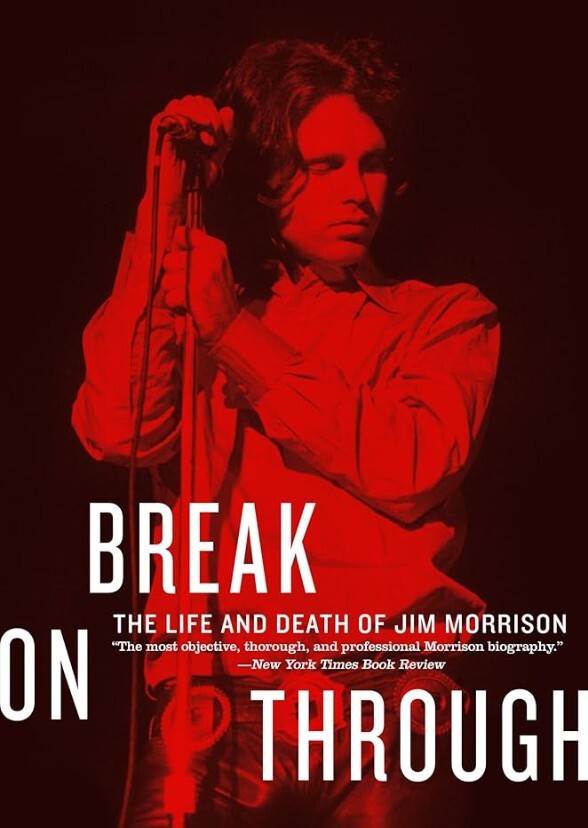
The Doors: Break On Through (Biopic)
The film, "The Doors: Break On Through," is a non-linear, impressionistic journey through the brief, incandescent career and chaotic life of Jim Morrison and The Doors. Beginning with the band's formation in the mid-1960s at UCLA Film School—where the poet Jim Morrison met the jazz-influenced keyboardist Ray Manzarek—the story explores their shared vision to merge rock music with high art, poetry, and shamanistic performance. The narrative focuses intensely on the band's creative core: Manzarek's classically trained arrangements, Robby Krieger's flamenco-infused guitar, and John Densmore's jazz-rock rhythms providing the perfect, dark canvas for Morrison’s volatile, charismatic genius. The central conflict is the rapid, devastating deterioration of Jim Morrison. The film follows the band's ascent to global fame through electric hits like "Light My Fire," while simultaneously documenting Morrison’s descent into alcoholism, drug use, and an increasingly destructive stage persona fueled by his obsession with being a "Lizard King" and a cultural icon. It delves into the infamous controversies—the stage arrests, the obscenity trial—that defined the era. The story culminates in Morrison's self-imposed exile to Paris and his untimely death at 27, leaving behind a legacy of revolutionary music and a profound, cautionary tale about the price of mythic artistic freedom.

Tim Burton's Batman 3: Man-Bat
"Batman 3: Man-Bat" is conceived as a gothic horror tragedy in the signature style of Tim Burton, focusing on the dark, psychological duality between man and beast, much like the treatment of Catwoman and Penguin in Returns. The film introduces Dr. Kirk Langstrom, a brilliant but socially awkward zoologist at the crumbling Gotham Museum of Natural History. Obsessed with the science of echolocation and determined to find a cure for his own impending hearing loss, Kirk secretly develops an unstable serum derived from bat-glandular extract. When he tests it on himself, the result is a catastrophic, grotesque transformation: he becomes a hulking, chiropteran monster—Man-Bat. The creature’s emergence terrorizes Gotham not as a criminal, but as a tragic, primal force of nature, driven by the serum's bestial rage and a distorted need to "cure" the world's perceived sickness. Batman is forced into a morally complex hunt for the creature. This film forces Bruce Wayne to confront the literal monstrous nature of his own self-chosen bat symbol. The climax is an agonizing, expressionistic fight atop the Gotham Museum, where Batman must choose between destroying the monster or finding the antidote to save the tormented man beneath the wings, ultimately exploring the thin, terrifying line between Bruce's carefully controlled symbol and Langstrom's uncontrolled biological horror.
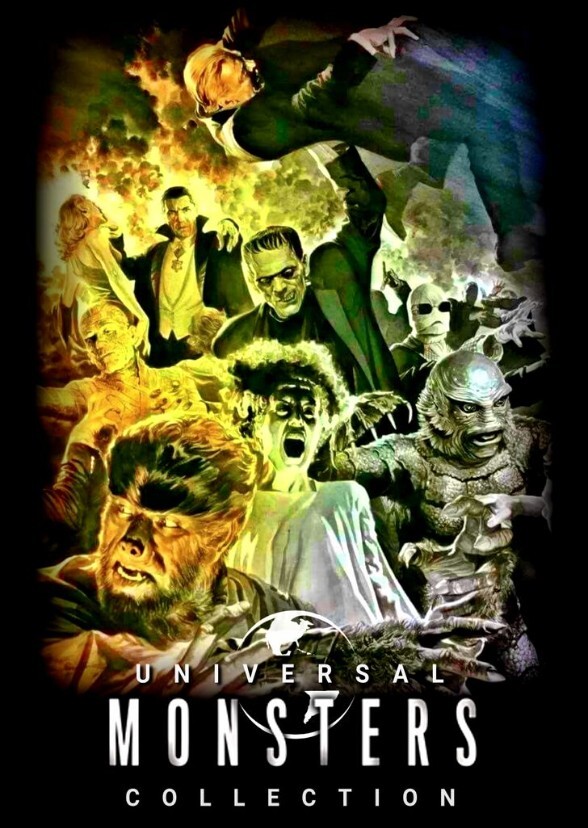
Universal Monsters: Legacy of Darkness (Anthology Series)
"Universal Monsters: Legacy of Darkness" is an anthology series that reimagines the Universal Dark Universe with a modern, grim approach, focusing on psychological horror and persistent folklore. Each season or story arc focuses on a different classic monster, treating their origins not as mere fiction, but as historical and recurring events that resurface with each generation. The series would be connected by a secular, secret organization (like the "Order of Van Helsing" or the "Secret League of Monster Archives") that tracks, studies, and tries to contain these threats, giving the series a grounded investigative horror structure.

Clayface: The Living Mask (1990s Tim Burton Style)
A reimagining of Clayface (Basil Karlo specifically) through the gothic, expressionistic lens of Tim Burton’s early 90s superhero films. The story focuses on Basil Karlo, a once-celebrated and handsome Hollywood B-movie actor whose career is destroyed by a horrifying fire on a movie set, scarring him both physically and psychologically. Driven mad by the loss of his livelihood—his face—Karlo descends into the dark, rain-soaked underbelly of Gotham City, obsessed with regaining his former glory. In his madness, Karlo discovers a cache of experimental, volatile clay-based chemicals (a reference to the original comic's backstory), which he uses to create a mask for himself. Instead of a disguise, the chemicals fuse with his damaged body, transforming him into the monstrous, shapeless entity known as Clayface. The film becomes a tragic horror story: Karlo is trapped between his desire for recognition and the monstrous form he now inhabits. He uses his power of shapeshifting to infiltrate Hollywood and exact revenge on the studio heads and actors who abandoned him, only to find that he has no true form left to love or recognize. The climax sees Batman forced to confront a sympathetic but ultimately destructive monster whose deepest desire is simply to be seen as the man he once was.
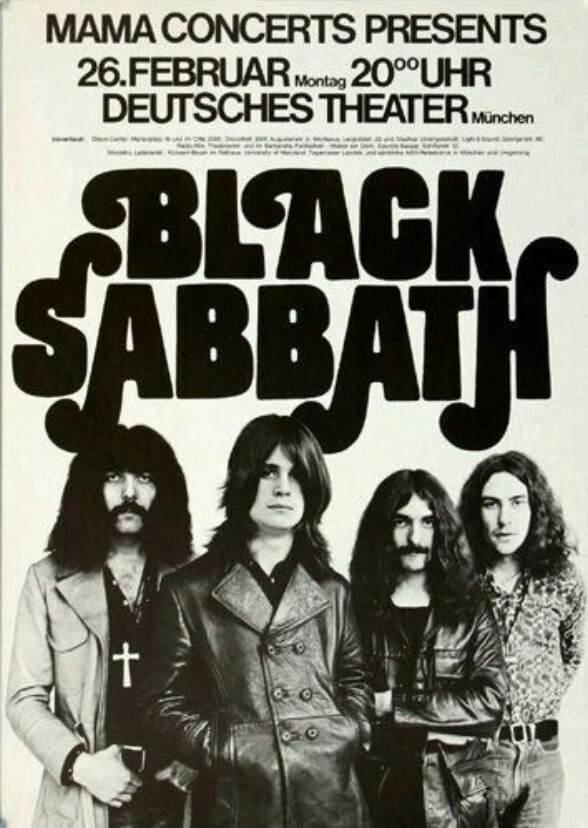
Black Sabbath: The Birth of Doom (Biopic)
The film, "Black Sabbath: The Birth of Doom," is an intense, raw cinematic chronicle of the band that created heavy metal. The story begins in the bleak, industrial landscape of late-1960s Birmingham, England, focusing on four working-class friends: the volatile vocalist Ozzy Osbourne, the inventive, accident-scarred guitarist Tony Iommi, the introspective bassist Geezer Butler, and the rock-steady drummer Bill Ward. United by a shared sense of alienation and a hatred for the saccharine pop music of the era, they channel the atmosphere of poverty and dread around them into a new, darker sound. The central narrative tracks the band’s frantic, chaotic rise from playing dingy local clubs to recording their revolutionary, self-titled debut album—a sound inspired by the chilling minor chords of classical music and the horror of cheap local cinema. The film dissects the group's internal combustion: the tension between Iommi’s musical discipline and Ozzy’s self-destructive, charismatic chaos, all while Geezer's dark, philosophical lyrics give voice to the counterculture's anxieties. It explores the pressures of sudden, unprecedented fame, the devastating toll of substance abuse, and the constant friction that ultimately defined their creative genius, cementing their status as accidental pioneers who changed the face of music forever.
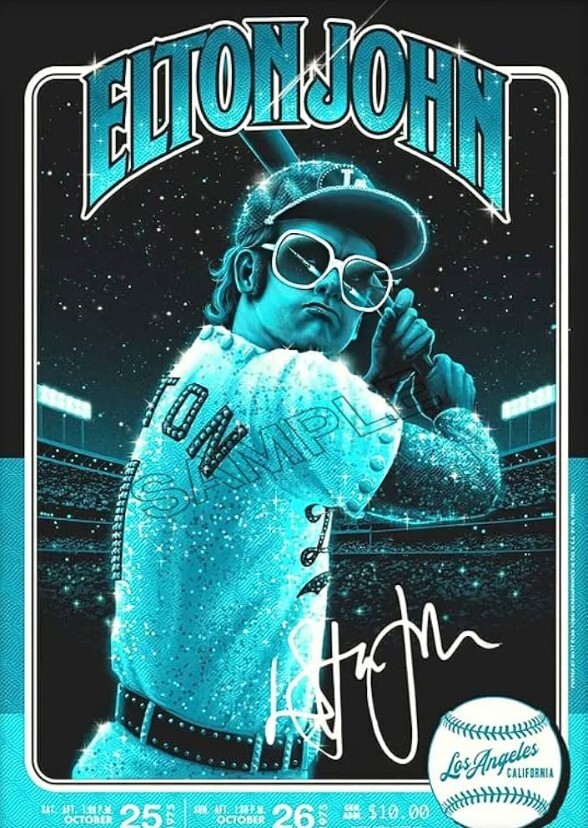
Elton John: Still Standing (Biopic)
The film follows the journey of Reginald Dwight—a talented but insecure, bespectacled musical prodigy from a repressive London suburban upbringing—to his transformation into the global superstar, Elton John. The story focuses heavily on his career-defining songwriting partnership with lyricist Bernie Taupin, showing how their friendship and Bernie's poetry became the foundation for some of pop and rock's greatest hits. The central arc of the story is Elton's internal struggle to reconcile his rising fame and flamboyant stage persona (the costumes, the extravagance) with his personal vulnerability and the search for his identity. The narrative unflinchingly explores the immense pressures of the 70s and 80s: the grip of fame, the harrowing battle with addiction, and the profound loneliness inherent in superstardom. The film culminates in his powerful journey toward sobriety and the rediscovery of his purpose, ultimately celebrating the enduring legacy of a legend who used spectacle as armor to protect a deeply sensitive heart.
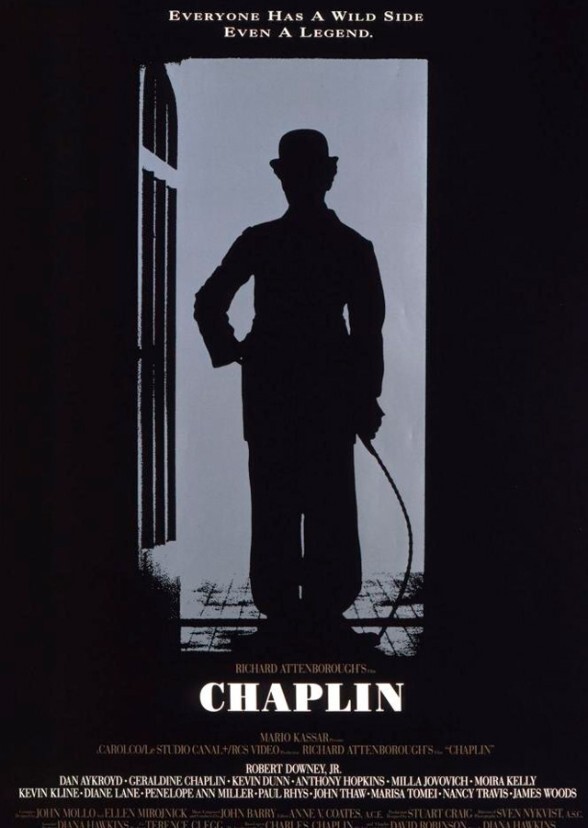
Charlie Chaplin: The Mask and The Man (Biopic)
The film, "Charlie Chaplin: The Mask and The Man," is a complex, feature-length look at the tumultuous life of one of cinema's most important and controversial figures. The story begins in the harsh poverty of turn-of-the-century London, detailing his traumatic childhood shaped by the mental illness of his mother and the absence of his father, which instilled the melancholy that would fuel his greatest work. The narrative swiftly moves to his rise from the English music halls to the nascent world of Hollywood, focusing on the miraculous speed with which he invented the universally beloved character, The Tramp (Carlitos). The central conflict explores the profound tension between the Tramp’s innocent, poetic persona and Chaplin's complicated, often ruthless, private life. The film highlights his artistic genius—his meticulous control over every aspect of his films and his revolutionary shift into feature-length narratives like The Kid—while juxtaposing it with his notorious romantic relationships, his battles with the studio system, and his political activism. The climax focuses on the McCarthy era, where his political views and personal life made him a target of the American establishment, leading to his exile from the country that made him a legend. Ultimately, it is a story about the cost of genius, the tragic divide between an artist's public mask of innocence and his private reality of complexity and controversy.

The Heart of Christ (A Psychological Drama)
"The Heart of Christ" is a raw, psychological deep-dive into the final, agonizing period of Jesus of Nazareth’s ministry. Stripping away the spectacle of the crowds and temples, the film focuses on the crippling internal conflict faced by a profoundly gifted man burdened by the terrifying reality of his divine mission and inevitable fate. As political threats from Roman and local authorities intensify, Jesus grapples with crushing doubt and the overwhelming weight of prophetic expectation. His struggle manifests as intense, profound visions: conversations with his Father (God) who appears as a comforting but demanding presence, clarifying the brutal path he must take; and intense, cynical temptations from The Adversary (The Devil/Satan), who preys on his very human fear, doubt, and desire to simply walk away from the destiny he never asked for. The narrative is a claustrophobic character study of a man trying to reconcile his human vulnerability with his divine purpose. The psychological horror reaches its climax in Gethsemane, where the external capture is overshadowed by the ultimate, agonizing internal surrender—the final, devastating choice to accept his fate, thereby completing the transformation from Yeshua the man to Christ the Messiah.
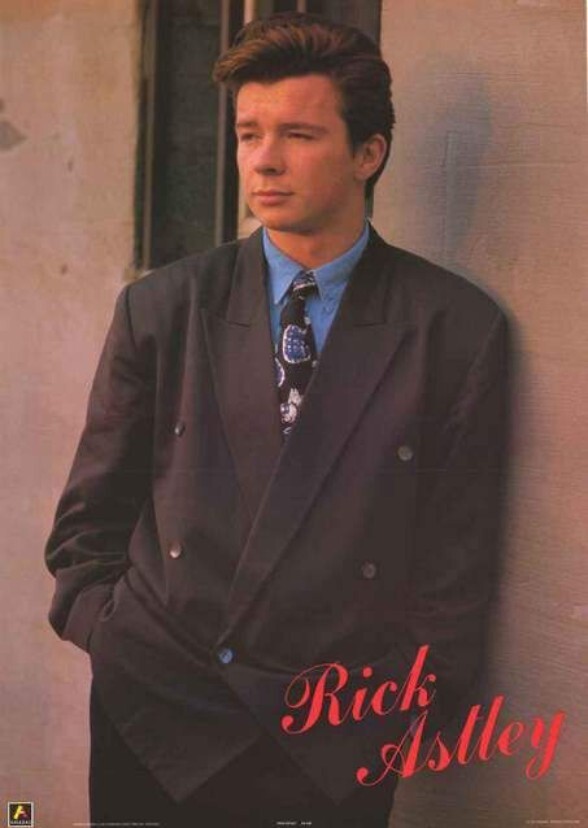
Rick Astley: Never Gonna Give You Up (Biopic)
The film, "Rick Astley: Never Gonna Give You Up," explores the journey of the unassuming, ginger-haired teenager from Lancashire, England, who was catapulted to global stardom as a pop sensation in the late 1980s. The story begins with his humble origins and his discovery by the era's most powerful, hit-making trio, Stock Aitken Waterman (SAW). Despite his shy demeanor and lack of pop-star confidence, the combination of his unexpectedly deep baritone voice and the SAW production machine turned "Never Gonna Give You Up" into a massive, worldwide phenomenon, making him an overnight star. The central conflict of the film is the classic dilemma of artistic authenticity versus commercial control. Astley, initially grateful, soon feels trapped by the image and the bubblegum pop sound dictated by the SAW factory, longing for creative independence and to perform his own, deeper songs. The narrative focuses on the immense pressure, the exhaustion of constant touring, and the eventual personal breakdown that led him to famously retire from the music industry at the height of his fame at age 27. The final act briefly touches upon his quiet family life and his unexpected, celebrated cultural re-emergence through the internet phenomenon of "Rickrolling," reframing his legacy from a manufactured pop idol to a beloved, enduring, and self-aware cultural icon whose most famous song became a global inside joke.