

Stories by @jvpirate
18 stories
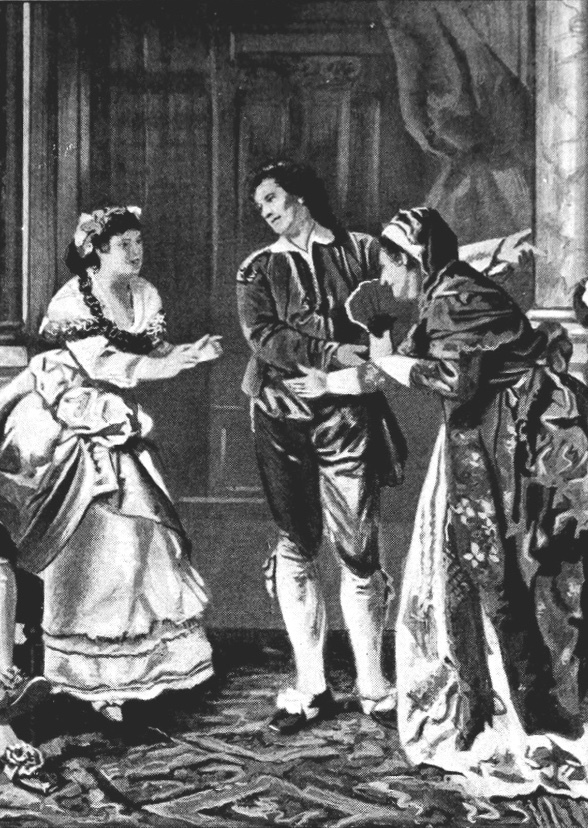
The Marriage of Figaro
This movie is based on the play by 18th-century French playwright Pierre Beaumarchais (the most famous version of which is the Italian operatic version by Wolfgang Amadeus Mozart, Le Nozze di Figaro). The Marriage of Figaro is a matrimonial comedy about love, infidelity, and ultimately forgiveness on a day of madness. While Figaro, valet to the Spanish Count Almaviva, and Susanna, the Countess’ maid, are getting ready for their wedding, the philandering Count is pursuing Susanna. With the help of the Countess, Figaro and Susanna plot to outwit the Count, while Figaro also has to find a way to avoid having to marry Marcellina, Dr. Bartolo’s housekeeper, if he cannot repay the debt he owes her.
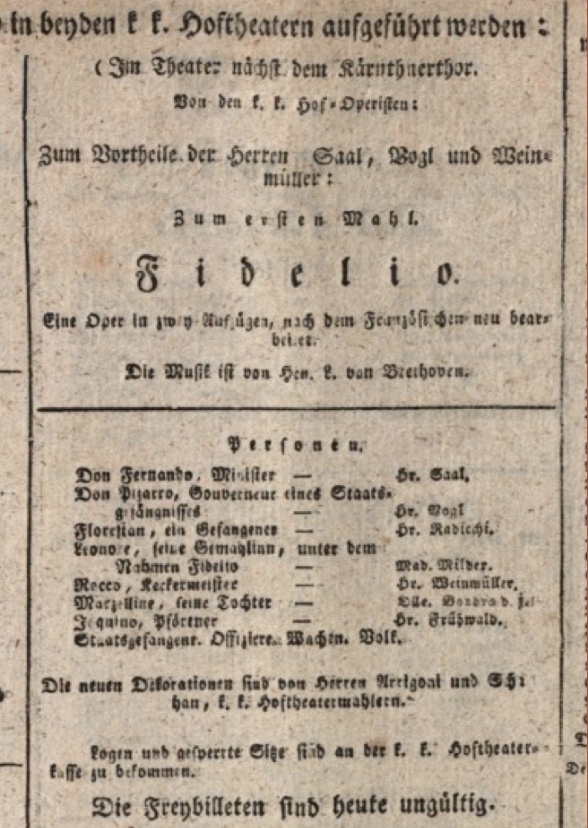
Fidelio
Based on Ludvig van Beethoven’s only opera, “Fidelio” tells the story of Leonore, who disguises herself as a young man named Fidelio and gets a job as a guard in a Spanish political prison in order to rescue her innocent husband, Florestan, who has been wrongfully imprisoned for two years by the prison’s corrupt governor, Don Pizarro, who fears exposure of his own crimes. While working at the prison, Leonore gains the trust of Rocco the jailer and his daughter, Marzelline, who falls in love with “Fidelio”. When Don Pizarro plots to murder Florestan to keep his own crimes from being exposed, Leonore must find and rescue her husband and expose Don Pizarro before it’s too late.
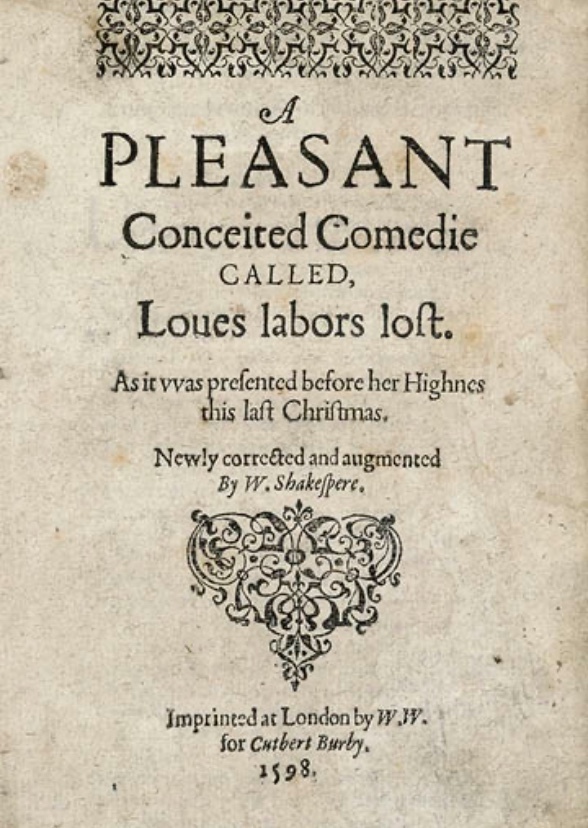
Love’s Labour’s Lost
Ferdinand, the King of Navarre, and his three friends, Berowne, Dumaine, and Longaville, swear an oath to avoid seeing women for three years so they can focus on fasting and studying. However, when they have to host the Princess of France and her three ladies, Rosalind, Katherine, and Maria, the four men fall in love and decide to break their oath and court the women. Unfortunately, in the end, due to the recent death of the Princess’ father, she and her ladies must return to France for a year, promising to marry the king and his friends afterwards, provided they remain true to them.
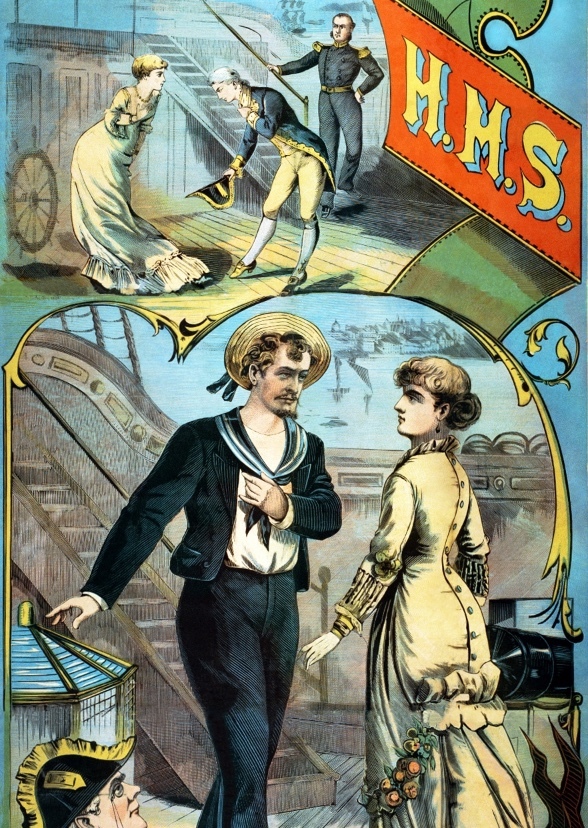
H.M.S. Pinafore
Joseph, the daughter of Captain Corcoran of the British ship HMS Pinafore, is in love with Ralph Rackstraw, a lower-class sailor, but her father intends to marry her off to the well-bred Sir Joseph, First Lord of the Admiralty. Meanwhile, the captain’s former nanny, Little Buttercup (now a bumboat woman), is in love with him, but because of his high rank, he hesitates to reciprocate. Josephine and Ralph plan to elope, but their plan is foiled by Dick Deadeye, an unpleasant member of the crew, who tell the captain. However, when Sir Joseph has Ralph imprisoned in the brig, Little Buttercup reveals to everyone a secret she’s been hiding for years, which dramatically changes everything in the end.
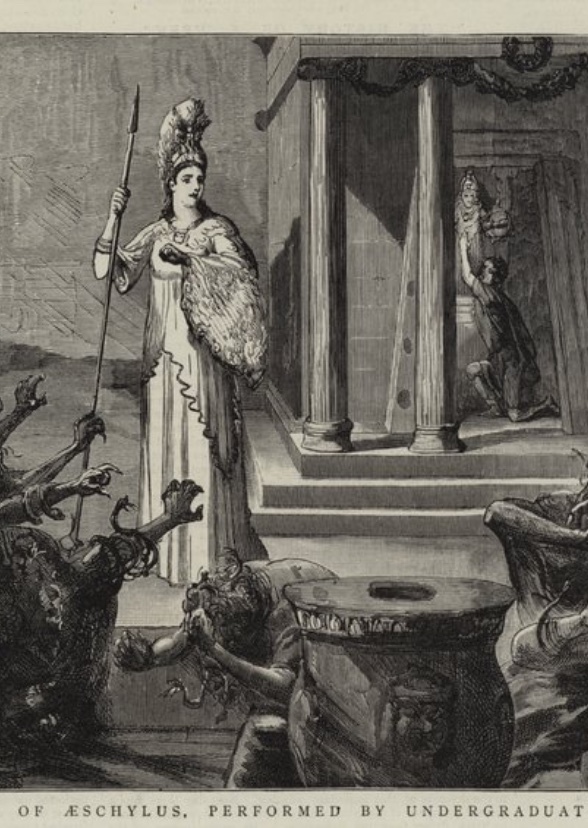
The Orestia: The Eumenides
The final story of Aeschylus’ tragic trilogy, the Orestia, concerns Orestes, who is being hunted by the Furies (or Eumenides) for killing his own mother Clytemnestra to avenge the murder of his father Agamemnon. Upon catching up with Orestes, the Furies torment him until Apollo, the god of prophecy, intervenes, suggesting the Orestes be given a trial. Orestes is immediately taken to Athens for his trial, presided over by Athena, the goddess of wisdom.
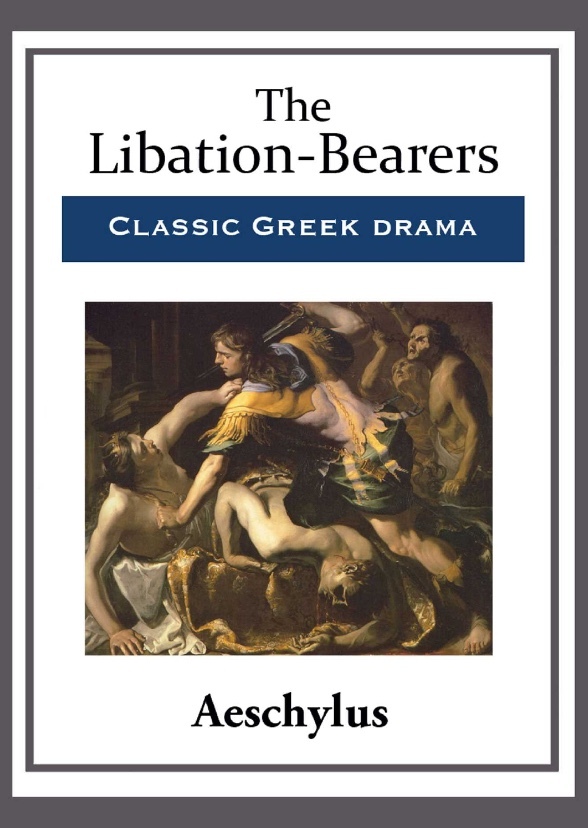
The Orestia: The Libation Bearers
Many years after the murder of Agamemnon by his wife Clytemnestra, their son Orestes, along with his cousin Pylades, returns to Argos and reunites with his sister Electra. Together they plot to exact revenge on their mother Clytemnestra and her lover Aegisthus, the current king of Argos, for the murder of their father. Orestes arrives at the palace of Clytemnestra and Aegisthus disguised as a stranger bearing news that Orestes is dead. Upon being allowed into the palace, Orestes first kills Aegisthus, and then Clytemnestra. However, he then finds himself the target of the wrath of the Furies, the goddesses of vengeance, and is forced to flee from the palace.
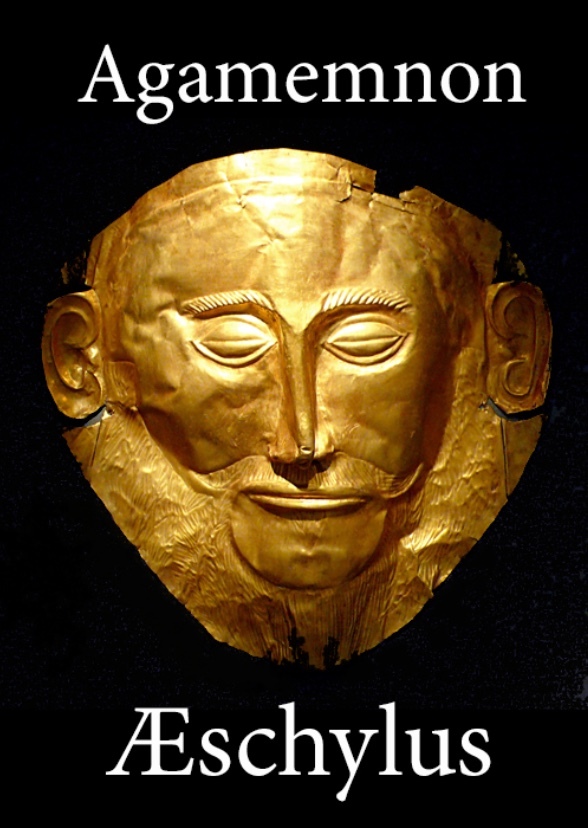
The Orestia: Agamemnon
The first movie based on Agamemnon, the first of Aeschylus’ tragic play trilogy, tells of Agamemnon, King of Argos, who returns home victorious from the Trojan War. However, he and his new slave, Trojan princess Cassandra, are murdered by his wife Clytemnestra, as an act of revenge for their daughter, Iphigenia, whom Agamemnon had previously sacrificed to the goddess Artemis to ensure that his fleet could sail safely to Troy. She is then joined by her lover Aegisthus, Agamemnon's cousin, whose brothers had been cooked and served to Aegisthus' father Thyestes by Agamemnon's father Atreus years before. Having succeeded in their revenge plot, Clytemnestra and Aegisthus seize control of Argos.
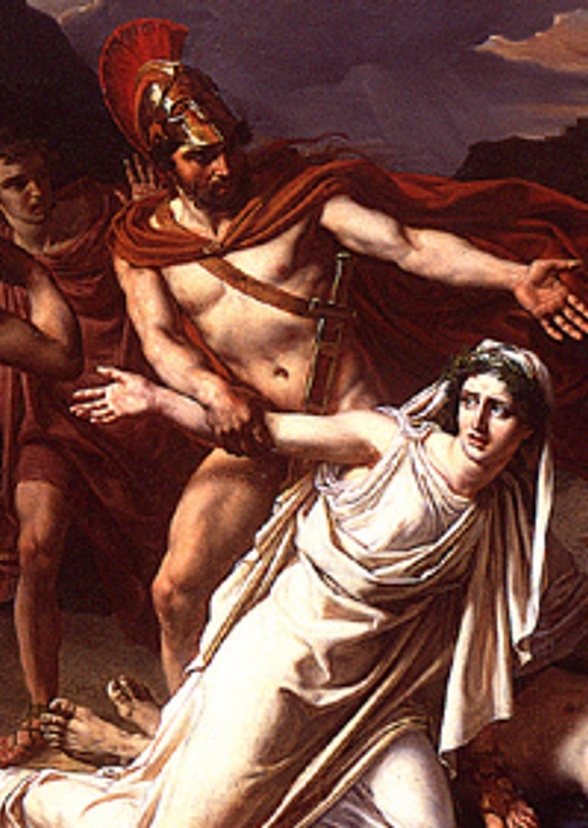
Antigone
After the deaths of the dead Oedipus’ sons Eteocles and Polynices (who have both recently died at each other’s hands in a civil war for the Theban throne), Oedipus' brother-in-law and new Theban King Creon has ordered the public honoring of Eteocles and the public shaming of Thebes' traitor Polynices. However, their sister Antigone attempts to bury the body of Polynices, going against her uncle Creon’s decree and placing her relationship with her brother above human laws. As a result she is captured, tried and sentenced to death by live entombment. Eventually, Antigone hangs herself in her underground tomb, which leads to the suicide of her fiancé and Croen’s son, Haemon. Upon learning of her son’s death, Creon’s wife, Eurydice, kills herself too.
Oedipus at Colonus
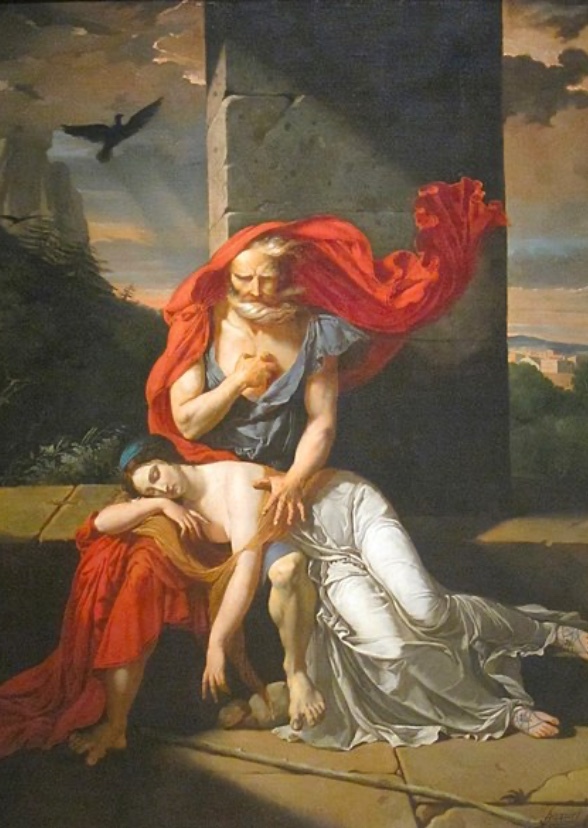
After many years in exile from Thebes for his inadvertent sins of fratricide and incest, former Theban king Oedipus, now an old, blind beggar, and his daughter Antigone arrive at Colonus, a city near Athens, and are standing upon ground that is sacred to the Eumenides (or Furies), the goddesses of vengeance. Oedipus reveals that years ago, when the oracle of Apollo, the god of prophecy, foretold of Oedipus’ fratricide and incest, Apollo also said that Oedipus’ death on the sacred ground on which he stands would bless the land in which he would be buried. Oedipus at Colonus depicts Oedipus’ transformation from a blind beggar disgraced and exiled for his sins to a figure of immense power, capable of granting (or withholding) divine blessings, and the end of his life.
Oedipus Rex
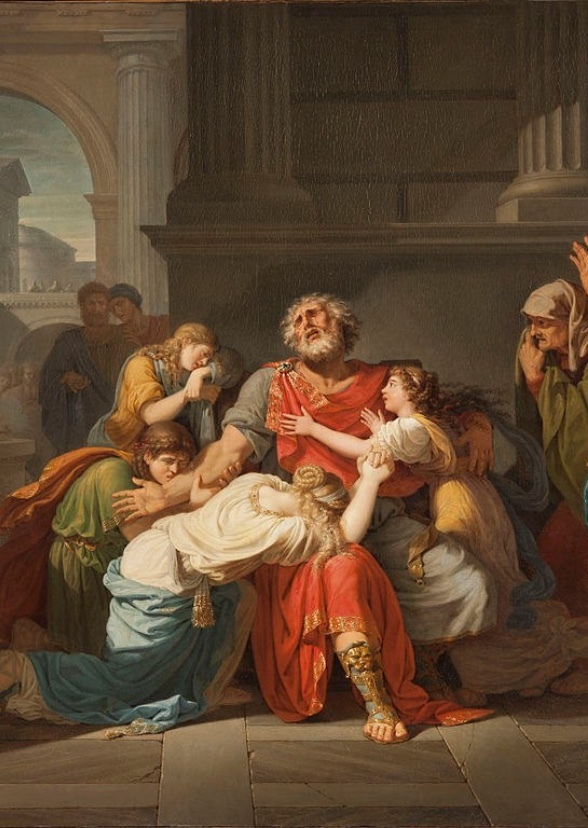
Oedipus, King of Thebes, eagerly tries to search for the murderer of Laius, the previous king of Thebes, in order to end a plague ravaging Thebes, only to ultimately realize that he himself is the killer he is looking for. Ironically, Oedipus thought he had avoided fulfilling a prophecy foretelling that he would kill his own father and marry his mother. However, he then realizes that King Laius was his own father, whom he had unwittingly killed years before, and his wife Jocasta (whom he had married as a reward resolving the riddle of the Sphinx) was his own mother. When the truth is finally revealed, Jocasta hangs herself while Oedipus, horrified at his patricide and incest, gouges out his own eyes in despair, blinding himself, and begs his brother-in-law, Creon, to banish him from Thebes.

The Ring of the Nibelung: Twilight of the Gods
Twilight of the Gods (Götterdämmerung) is the fourth and final installment of the non-musical movie version of Richard Wagner’s Ring cycle. After leaving Brünnhilde and setting off on his travels, Siegfried meets Gunther, king of the Gibichungs (a race of mortals who live near the Rhine), his sister Gutrune, and their half-brother Hagen, Alberich’s son. They trick Siegfried into drinking a potion that makes him forget about Brünnhilde and fall in love with Gutrune instead. Then using the Tarnhelm, a magic helmet, he disguises himself as Gunther and brings Brünnhilde - against her will - to the hall of the Gibichungs to present her as Gunther’s new bride. Upon realizing Siegfried’s betrayal, an outraged Brünnhilde plots with Gunther and Hagen to kill Siegfried. In a hunting excursion, Hagen kills Siegfried by stabbing him in the back, and later kills Gunther over Alberich’s ring on Siegfried’s finger. Brünnhilde, however, now remorseful, builds Siegfried a funeral pyre, on which she burns his body, her horse Grane, and herself. The fire then rises up and sets the hall of the Gibichungs ablaze, after which the Rhine overflows its banks, the Rhinemaidens swim in, drown Hagen, retrieve the ring and return with it to their underwater home, while the world is destroyed.
The Ring of the Nibelung: Siegfried
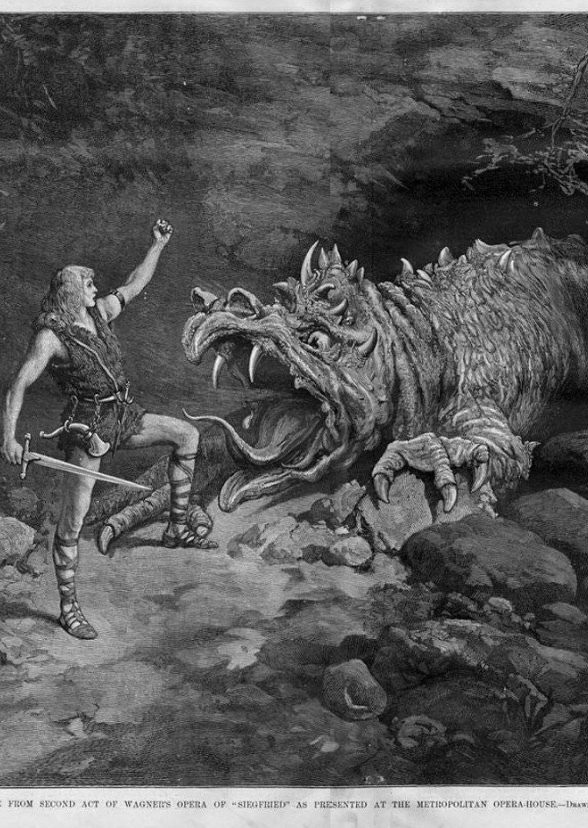
This non-musical movie version of the third story of Richard Wagner’s Ring cycle concerns Siegfried, the son of Siegmund and Sieglinde, who died giving birth to him. Having been raised by Mime, the brother of the Nibelung dwarf Alberich, Siegfried reforges the shattered remains of his father Siegmund’s sword, Nothung, which he uses to kill Fafner, a giant who has turned himself into a dragon with a magic helmet called the Tarnhelm and is guarding the magic ring, which Alberich had forged years before (along with a hoard of gold and the Tarnhelm). However, upon learning that Mime intends to kill Siegfried and take the ring for himself, the boy kills the dwarf. As the hero who knows no fear, Siegfried is able to penetrate the magic circle of fire surrounding the former Valkyrie Brünnhilde, who had been put to sleep as punishment by her father, Wotan, and can be awakened only by a fearless hero. With a kiss, Siegfried awakens her, and the two fall in love.

The Ring of the Nibelung: The Valkyrie
The second story of the movie version of the opera cycle by Richard Wagner, The Valkyrie (Die Walküre) takes place many years after the events of The Rhinegold. Siegmund and Sieglinde, the mortal twin children of Wotan, king of the gods, were separated from each other at an early age. But years later, Siegmund seeks shelter from a storm in the house of Sieglinde and her husband Hunding. The siblings recognize each other and fall in love. Siegmund then pulls a sword from the trunk of an ash tree, around which Hunding’s house is built, names it Nothung, and runs away with his sister. However, Fricka, Wotan's wife and the goddess of marriage, is disgusted by Siegmund and Sieglinde’s adulterous and incestuous relationship and insists that Wotan side with Hunding, against his own son. Wotan orders his daughter, Brünnhilde, a Valkyrie, to inform her half-brother Siegmund that he will lose his upcoming battle with Hunding. Impressed by Siegmund's courage, however, Brünnhilde disobeys her father by supporting him in the fight, but Wotan intervenes, allowing Siegmund to be killed. The distraught Sieglinde then learns from Brünnhilde that she is pregnant with Siegmund's child. The Valkyrie helps Sieglinde escape Wotan's wrath, but then accepts her own punishment: Wotan puts her to sleep on a rock, and summons Loge, the demigod of fire, to surround it with a magic circle of fire, which only the world's bravest hero will be able to penetrate to reach her.

The Ring of the Nibelung: The Rhinegold
The Rhinegold (“Das Rheingold”) is the first of this series of four non-musical movies based on the epic four-opera cycle Der Ring Des Nibelungen by 19th-century German composer Richard Wagner (who based these four operas loosely on characters from ancient Germanic heroic legend, namely Norse legendary sagas and the Nibelungenlied). The Rhinegold concerns Alberich, a Nibelung dwarf, who steals a lump of magic gold from the three Rhinenmaidens, after renouncing love, and uses it to forge a magic ring that would give its wearer the power to rule the world. However, Wotan, the king of the gods, captures Alberich and forces him to give up the ring, a magic helmet called the Tarnhelm, and a hoard of gold. Upon being released, Alberich places a terrible curse on the ring: until it returns to Alberich, it will bring anguish and death to those who possess it, and everyone else will be consumed by envy. Wotan then intends to use the ring to pay two giants named Fasolt and Fafner in return for building a new castle for the gods, but is tempted to keep it for himself. However, Erda, the goddess of the Earth, wisdom, and fate, warns him to give up the ring and avoid its curse. So he gives the ring (along with the Tarnhelm and Alberich’s gold) to the giants. Fafner kills Fasolt and then leaves with the ring and the rest of Alberich’s treasure. Soon after, the gods enter their new castle, which Wotan names Valhalla, unaware of the catastrophes that the ring will bring upon the world.

The Rite of Spring
The classical ballet, and one of the most controversial ballets ever written, by Russian composer Igor Stravinsky is now a short film. In prehistoric Russia, a tribe of pagans celebrate the arrival of spring with an annual human sacrifice. The men of the tribe choose a virgin to be sacrificed to their gods, in order to please them and to ensure that the tribe’s survival will continue. Ultimately, one such girl is chosen, and as the rest of the tribe visually align themselves with the earth, the elders of the tribe force this girl to dance herself to death, in accordance with the tribe’s sacred ritual.

The Barber of Seville
This movie is based on the play by 18th-century French playwright Pierre Beaumarchais, but the most famous version of this play is the famous opera version by 19th-century Italian composer Gioachino Rossini. Set an 18th-century Seville, Spain, the young Count Almaviva, disguised as “Lindoro”, a poor student, falls in love with a rich, beautiful girl named Rosina, whose guardian, Dr. Bartolo, is scheming to marry her. With the help of Figaro the barber, the Count pulls off clever disguises and schemes to outwit Dr. Bartolo and win the girl he loves.
Carmen
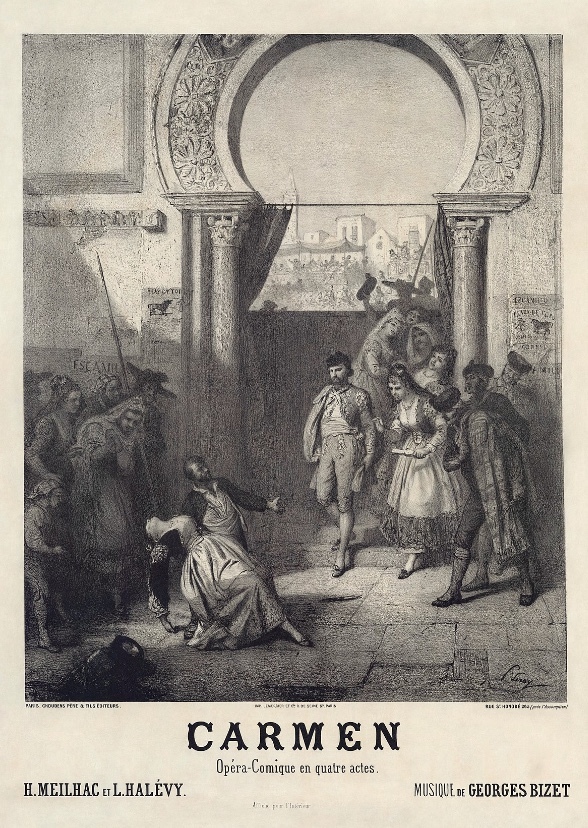
This retelling of the famous opera by French composer Georges Bizet tells the story of a fiery Spanish gypsy woman named Carmen who seduces Don Jose, a naive soldier who becomes so obsessed with Carmen, he abandons his girlfriend, Micaëla, and deserts the Spanish army to be with her. Unfortunately, Carmen then loses interest in Don Jose and falls for Escamillo, a dashing bullfighter, after which Don Jose kills her in a jealous rage.

Don Giovanni
Don Giovanni is an opera in two acts with music by Wolfgang Amadeus Mozart and an Italian libretto by Lorenzo Da Ponte. Combining elements of tragedy and comedy, this dramma giocoso is considered one of the greatest operas of all time. First performed in Prague in 1787, Don Giovanni is Mozart’s thrilling retelling of the Spanish legend of Don Juan, filled with some of his most famous and much-loved music. This classic opera follows the notorious, arrogant nobleman Don Giovanni who has his way with every woman he sets his eyes on until he is ultimately punished for his actions by the statue of a man he had killed in a fight.