

Stories by @Jeshisthename
588 stories
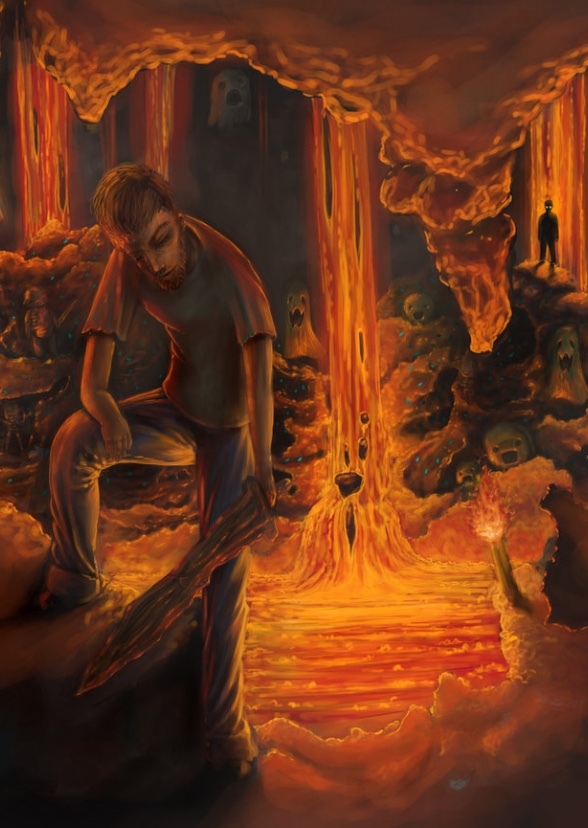
M I N E
When a bad omen looms over the village of Middlebrook, Steve and Alex venture into the Nether in search of a way home, only to encounter an array of dangerous entities along the way.
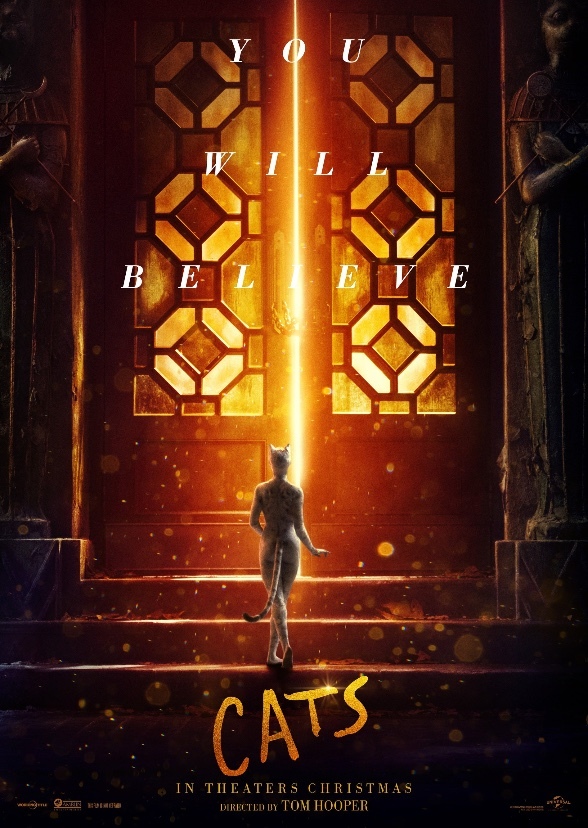
Cats {But With YouTubers Instead}
It’s the story of a bunch of cats who wanna die but get to intorducthemselves first it’s very cool.
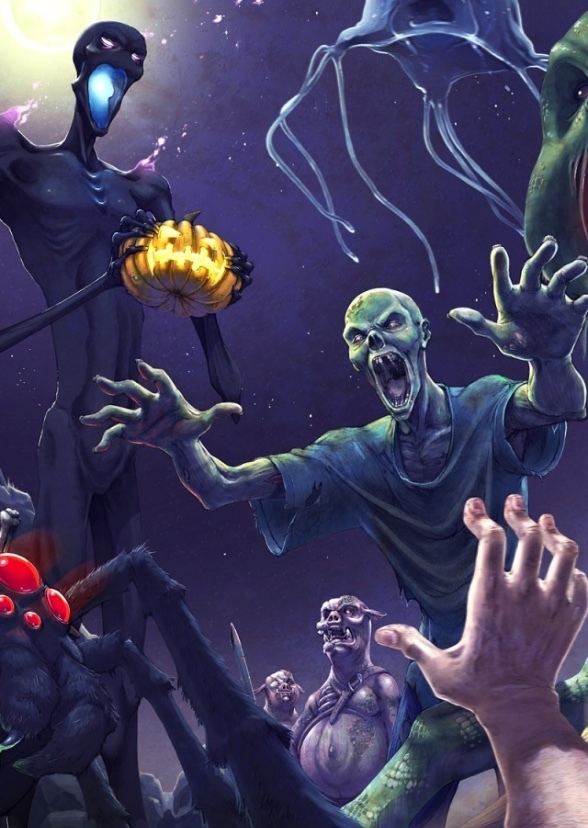
M I N E
A castaway washes up onto a mysterious island fraught with dangerous creatures and an otherworldly history.

Wonderland
Billed as a modern-day retelling of a classic story, Wonderland follows a woman, Alice, living in current-day New York City, juggling a failing marriage, motherhood, and intense work environment to the point of challenging her own sense of identity. In a dream, she aligns herself with the famed Alice of Alice in Wonderland, hilariously skewing reality, meanwhile working through obstacles of unexpected characters: a Cheshire Cat with a Latin flair, a delightfully dotty Queen of Hearts, and of course, a malicious Mad Hatter. Alice finds a new sense of balance and strength within herself, as she realizes the power of true love.

Bad Island
When Reese is forced to go on a boating trip with his family, the last thing he expects is to be shipwrecked on an island-especially one teeming with weird plants and animals. But what starts out as simply a bad vacation turns into a terrible one, as the castaways must find a way to escape while dodging the island's dangerous inhabitants. With few resources and a mysterious entity on the hunt, each secret unlocked could save them . . . or spell their doom. One thing Reese knows for sure: This is one Bad Island.
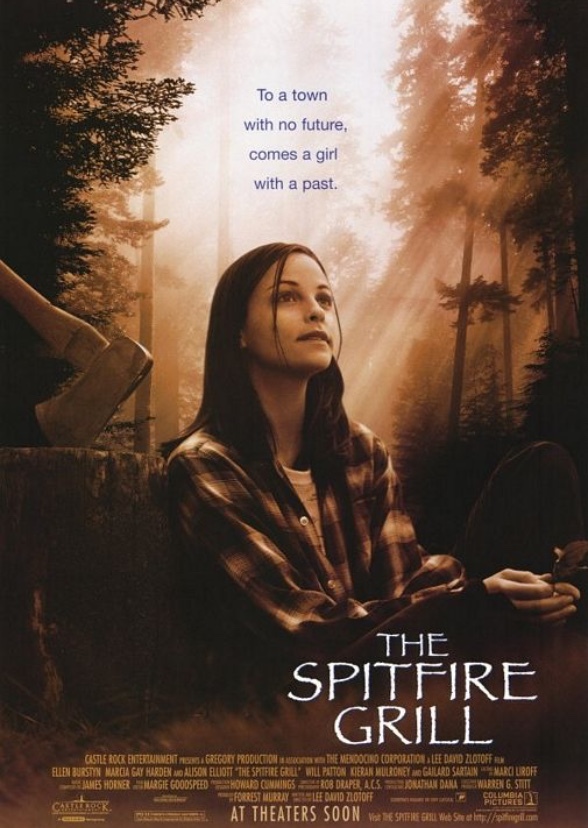
The Spitfire Grill
Percy, a young woman with a complicated past, is looking to start a new life in a small Wisconsin town that has seen better days. She finds work at THE SPITFIRE GRILL, a rundown diner with a disenfranchised proprietor. Through her sheer force of determination, optimism, and love, Percy is able to revitalize the grill and, in turn, the community. This comforting, folksy musical will get your toes tapping as you enter a world of hope, redemption, and some good ol’ breakfast.

BIMBO
After two years of being away at college and seeing the real world— Jean Schwartz is back in town and ready to see her darling mother and father again. Her parents, Walter and Shelly, prepare a quiet homemade dinner for Jean and her boyfriend Tanner whom they get to meet for the first time. When the time comes however, Walter and Shelly are aghast to find that Jean is not exactly how they left her. She’s ditzy, she’s busty, she’s changed her name, she’s a completely different woman. Is this a part of their daughter that they’ve never seen or heard of before finally coming into the limelight— or is there something more insidious at play starting when Tanner came along?
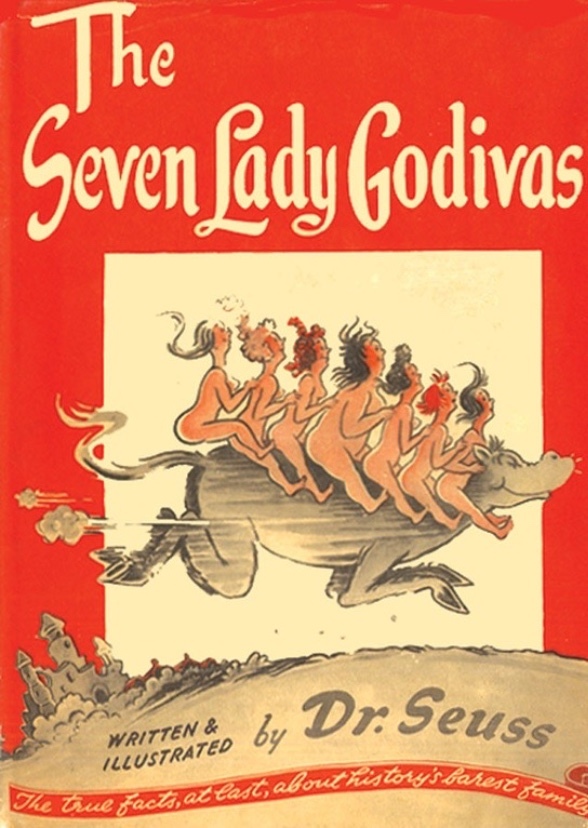
The Seven Lady Godivas
Seven sisters (each perpetually nude) embark on personal journeys across a fantastical Anglo-Saxon landscape in light of their father’s passing.

Overture
An exploration of New York City's rock and roll underbelly at the epoch of the 1970's streak of violence and crime.

Apocatastasis
An eccentric community in late 2030s Wisconsin is rocked by rumors of the end of the world which soon unfurls in startling ways.
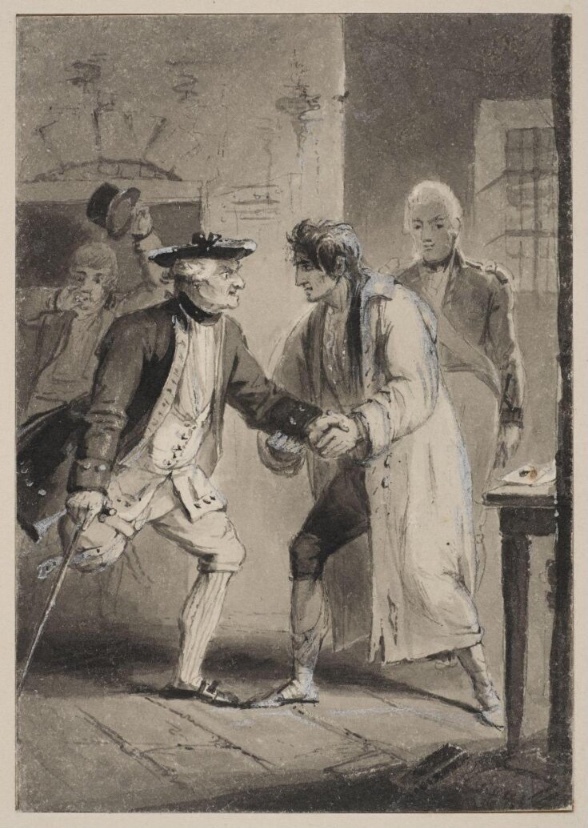
The Adventures of Peregrine Pickle
This picaresque tale, first published in 1751, was Tobias Smollett’s second novel. Following the fortunes and misfortunes of the egotistical dandy Peregrine Pickle, the novel is written as a series of brief adventures with every chapter typically describing a new escapade. The novel begins with Peregrine as a young country gentleman. His mother rejects him, as do his aloof father and his dissolute, spiteful brother. Commodore Hawser Trunnion takes Peregrine under his care and raises him. Peregrine’s upbringing, education at Oxford, and journey to France, his debauchery, bankruptcy, jailing, and succession to his father’s fortune, and his final repentance and marriage to his beloved Emilia all provide scope for Smollett’s comic and caustic perspectiveon the Europe of his times. As John P. Zomchick and George S. Rousseau note in the introduction, “by contrasting the genteel and the common, the sophisticated and the primal, Smollett conveys forcefully the way it felt to be alive in the middle of the eighteenth century.”

ᗰIᑎIGOᖇE
John Gore, a tough-as-nails marksman fights for survival against zombies and other mythical foes in the apocalyptic world of Hardland.

Welcome Home
Welcome Home was an American children's television program created and produced by The Playfellow Workshop, which served as the studio’s only production. Supposedly its first episode aired on October 11th, 1969 and was broadcast onto an unknown channel until it’s last estimated air date sometime in 1974. Welcome Home primarily focused on the neighbors, the show’s inhabitants, who were accompanied by a mixture of animated breaks and illustrated story book segments. The setting itself was a colorful and exaggeratedly designed town named "Home" with unique elements like a post office and a bodega, as well as brightly colored creatures that lived within it. Episodes usually began with Wally introducing the focus or theme for the day before coming across other characters who would join him on his escapades until the end of the day, which would signify the end of the show. All of the characters had notable, recurring segments that were sprinkled throughout the entirety of the show’s run, such as Eddie Dear creating arts and crafts, Sally Starlet performing plays, or Wally Darling painting a picture with the help of other members of the cast. The viewer was often regarded as an additional neighbor, with Wally speaking to them on a regular basis.

On-Air
A radio personality living amidst the golden age of radio subjects himself to an unending broadcast which he will be continuously hosting. A move that sacrifices his sanity as sleep deteriorates and isolation mounts.
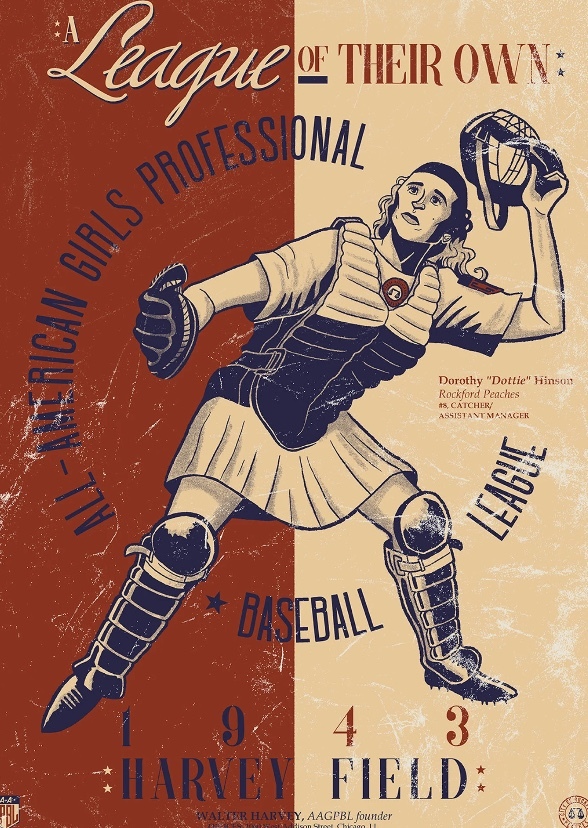
A League of Their Own
During World War II when all the men are fighting the war, most of the jobs that were left vacant because of their absence were filled in by women. The owners of the baseball teams, not wanting baseball to be dormant indefinitely, decide to form teams with women, so scouts are sent all over the country to find female players. One of the scouts passes through Oregon and finds a woman named Dottie Hinson, who is incredible. He approaches her and asks her to try out but she's not interested, but her sister Kit has been wanting to get out of Oregon and offers to go with him; he agrees only if she can get her sister to come along. When they try out, they're chosen and are on the same team. Jimmy Dugan, a former player who's now a drunk, is the team manager. But he doesn't feel that it's a real job, so he drinks and is not exactly doing his job, so Dottie steps up. After a few months when it appears the girls are not garnering any attention, the league faces closure until Dottie does something that grabs attention. Before long, Dottie is the star of the team and Kit feels like she's living in her shadow.
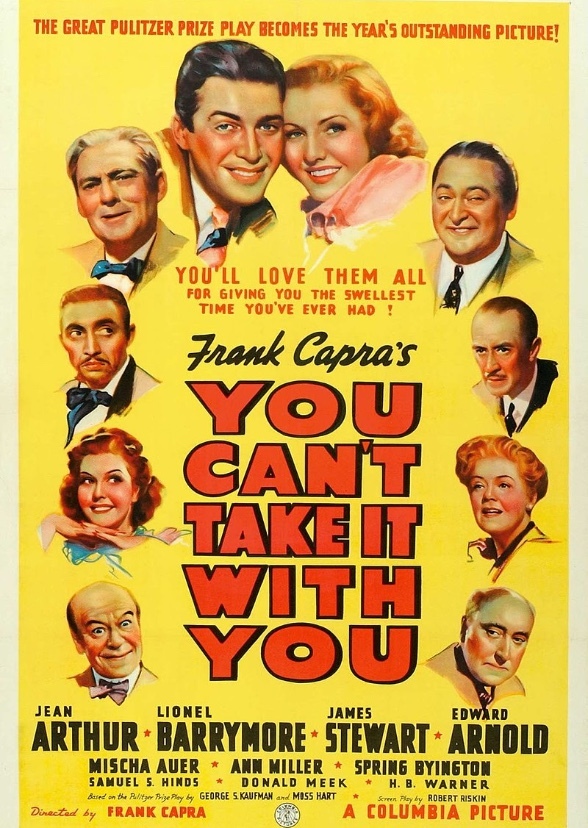
You Can’t Take It With You
The family of Martin Vanderhof lives “just around the corner from Columbia University — but don’t go looking for it.” Grandpa, as Martin is more commonly known, is the paterfamilias of a large and extended family of charming eccentrics. His granddaughter, Alice, is an attractive and loving girl who is still embarrassed by her family’s idiosyncrasies. When Alice falls for her boss, Tony, a handsome scion of Wall Street, she fears that their two families – so unlike in manner, politics and finances – will never come together. But why be obsessed by money? After all, you can’t take it with you...

Long Day’s Journey Into Night
Long Day's Journey into Night is a play in four acts written by American playwright Eugene O'Neill in 1939–41, first published posthumously in 1956. The play is widely considered to be his magnum opus and one of the finest American plays of the 20th century. It premiered in Sweden in February 1956 and then opened on Broadway in November 1956, winning the Tony Award for Best Play. O'Neill posthumously received the 1957 Pulitzer Prize for Drama for Long Day's Journey into Night. The work concerns the Tyrone family, consisting of parents James and Mary and their sons Edmund and Jamie. The "Long Day" refers to the setting of the play, which takes place during one day. The play is autobiographical. O’Neill wrote A Moon for the Misbegotten (1952) as a sequel, charting the subsequent life of Jamie Tyrone.

Torch Song Trilogy
Torch Song Trilogy is a collection of three plays by Harvey Fierstein rendered in three acts: International Stud, Fugue in a Nursery, and Widows and Children First! The story centers on Arnold Beckoff, a Jewish homosexual, drag queen, and torch singer who lives in New York City in the late 1970s and early 1980s. The four-hour play begins with a soliloquy in which he explains his cynical disillusionment with love.
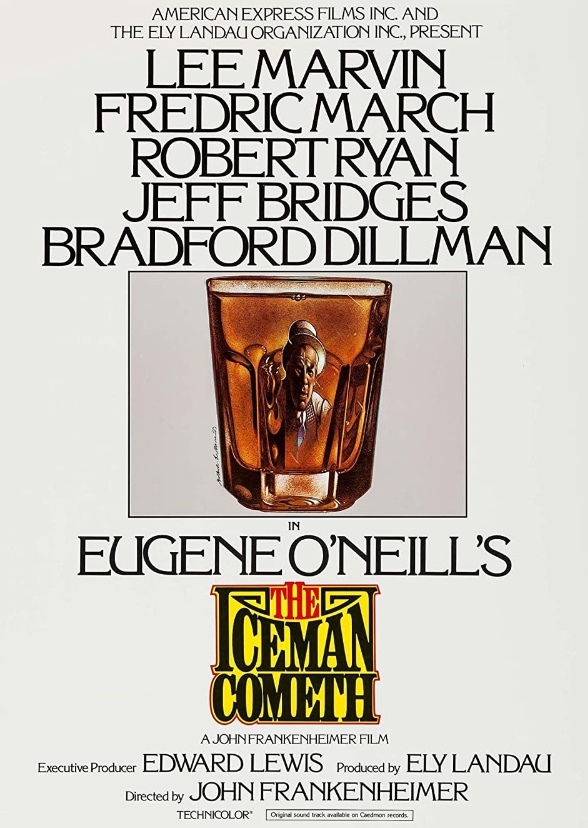
The Iceman Cometh
The Iceman Cometh is a play written by American playwright Eugene O'Neill in 1939. First published in 1946, the play premiered on Broadway at the Martin Beck Theatre on October 9, 1946, directed by Eddie Dowling, where it ran for 136 performances before closing on March 15, 1947. It has subsequently been adapted for the screen multiple times. The work tells the story of a number of alcoholic dead-enders who live together in a flop house above a saloon and what happens to them when the most outwardly "successful" of them embraces sobriety and reveals that he has been on the run after murdering his "beloved" wife.
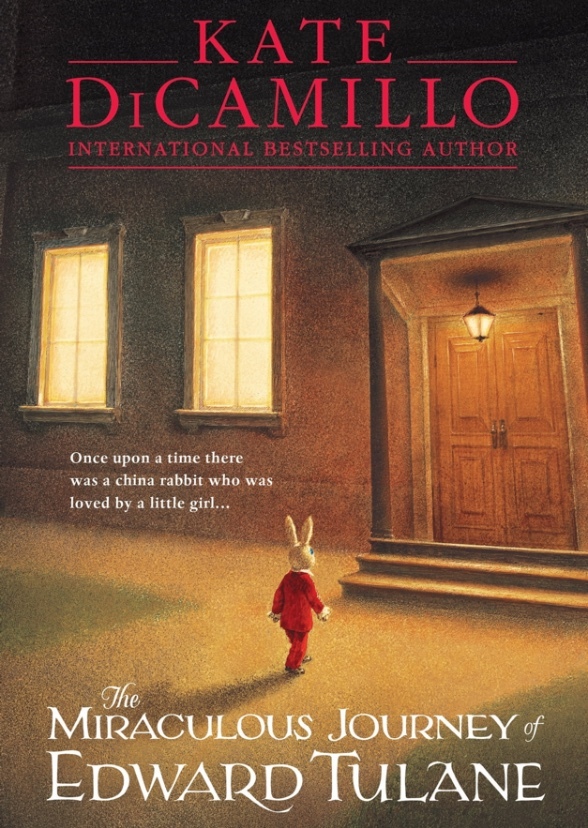
The Miraculous Journey of Edward Tulane
Once, in a house on Egypt Street, there lived a china rabbit named Edward Tulane. The rabbit was very pleased with himself, and for good reason: he was owned by a girl named Abilene, who treated him with the utmost care and adored him completely. And then, one day, he was lost. Kate DiCamillo takes us on an extraordinary journey, from the depths of the ocean to the net of a fisherman, from the top of a garbage heap to the fireside of a hobos camp, from the bedside of an ailing child to the bustling streets of Memphis. And along the way, we are shown a true miracle: even a heart of the most breakable kind can learn to love, to lose, and to love again.