

Stories by @anjalirenee
10 stories
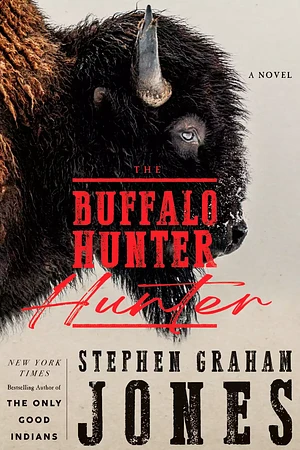
The Buffalo Hunter Hunter
A chilling historical horror novel set in the American west in 1912 following a Lutheran priest who transcribes the life of a vampire who haunts the fields of the Blackfeet reservation looking for justice. A diary, written in 1912 by a Lutheran pastor is discovered within a wall. What it unveils is a slow massacre, a chain of events that go back to 217 Blackfeet dead in the snow. Told in transcribed interviews by a Blackfeet named Good Stab, who shares the narrative of his peculiar life over a series of confessional visits. This is an American Indian revenge story written by one of the new masters of horror, Stephen Graham Jones.
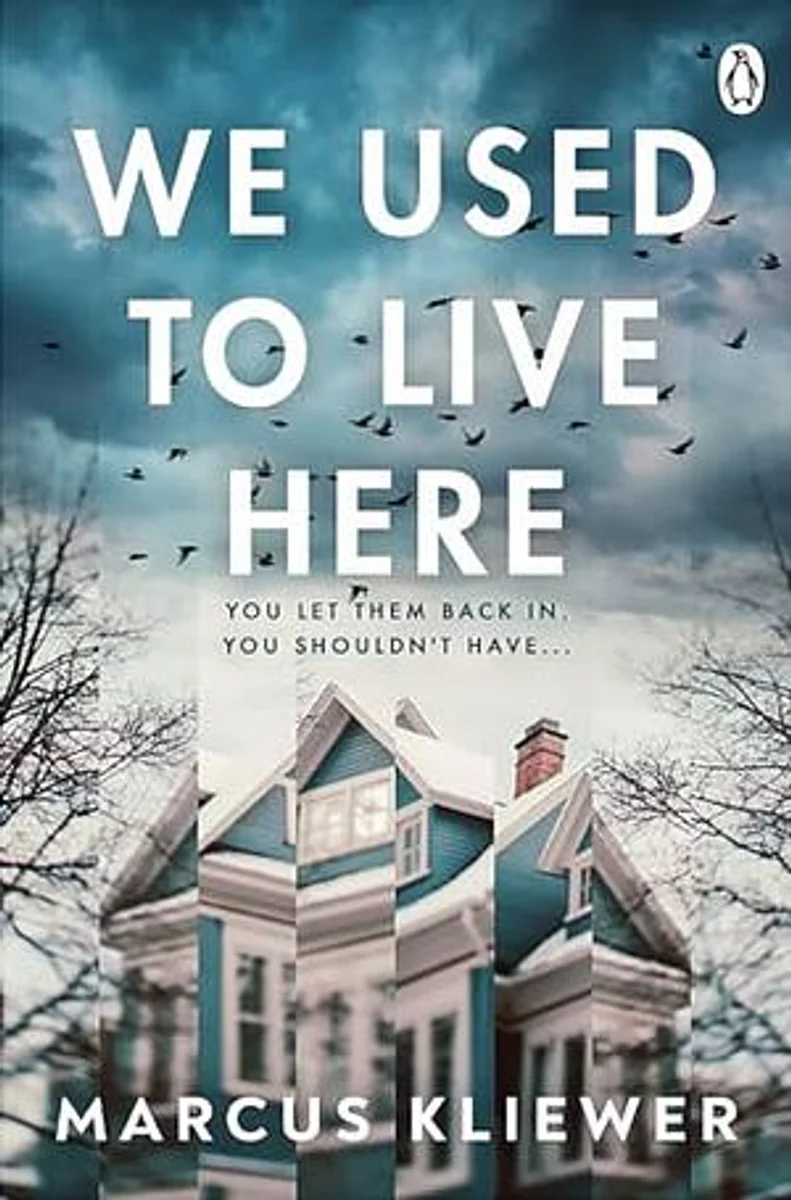
We Used to Live Here
As a young, queer couple who flip houses, Charlie and Eve can’t believe the killer deal they’ve just gotten on an old house in a picturesque neighborhood. As they’re working in the house one day, there’s a knock on the door. A man stands there with his family, claiming to have lived there years before and asking if it would be alright if he showed his kids around. People pleaser to a fault, Eve lets them in. As soon as the strangers enter their home, uncanny and inexplicable things start happening, including the family’s youngest child going missing and a ghostly presence materializing in the basement. Even more weird, the family can’t seem to take the hint that their visit should be over. And when Charlie suddenly vanishes, Eve slowly loses her grip on reality. Something is terribly wrong with the house and with the visiting family—or is Eve just imagining things?

We Used to Live Here
We Used to Live Here
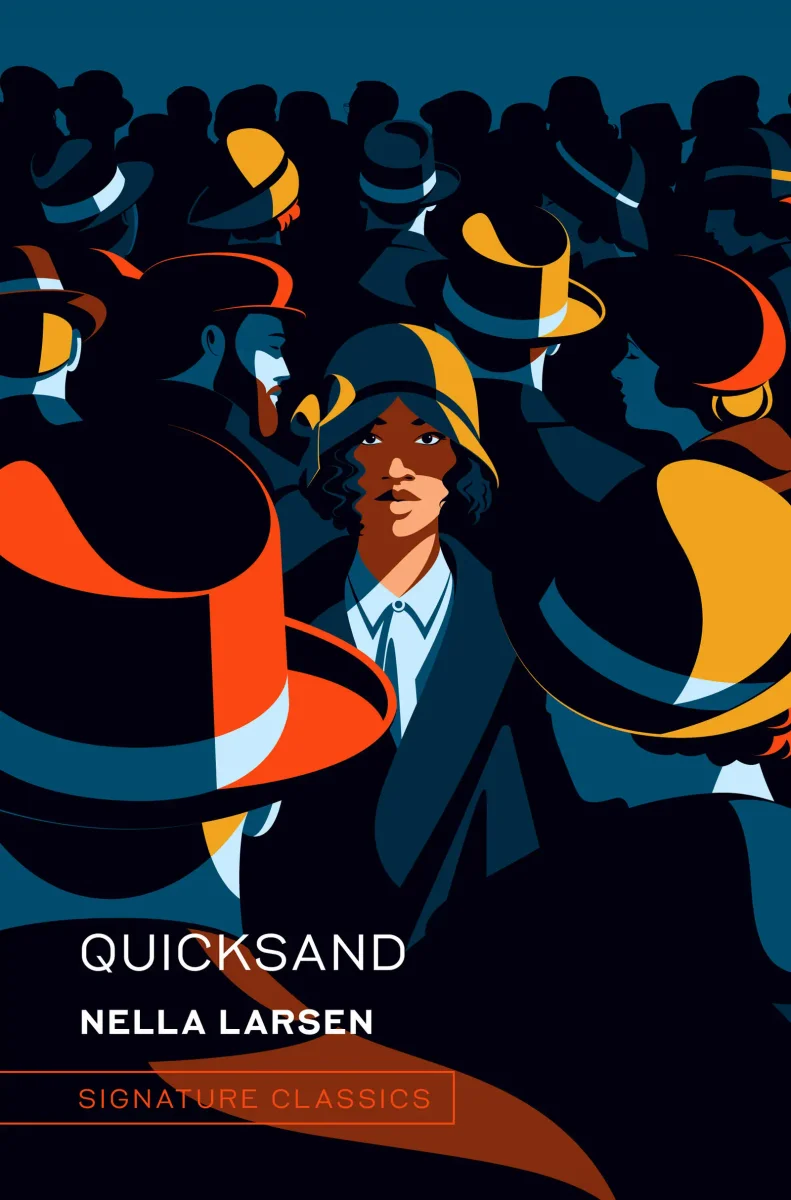
Quicksand
Born to a white mother and an absent black father, and despised for her dark skin, Helga Crane has long had to fend for herself. As a young woman, Helga teaches at an all-black school in the South, but even here she feels different. Moving to Harlem and eventually to Denmark, she attempts to carve out a comfortable life and place for herself, but ends up back where she started, choosing emotional freedom that quickly translates into a narrow existence. Quicksand , Nella Larsen's powerful first novel, has intriguing autobiographical parallels and at the same time invokes the international dimension of African American culture of the 1920s. It also evocatively portrays the racial and gender restrictions that can mark a life.
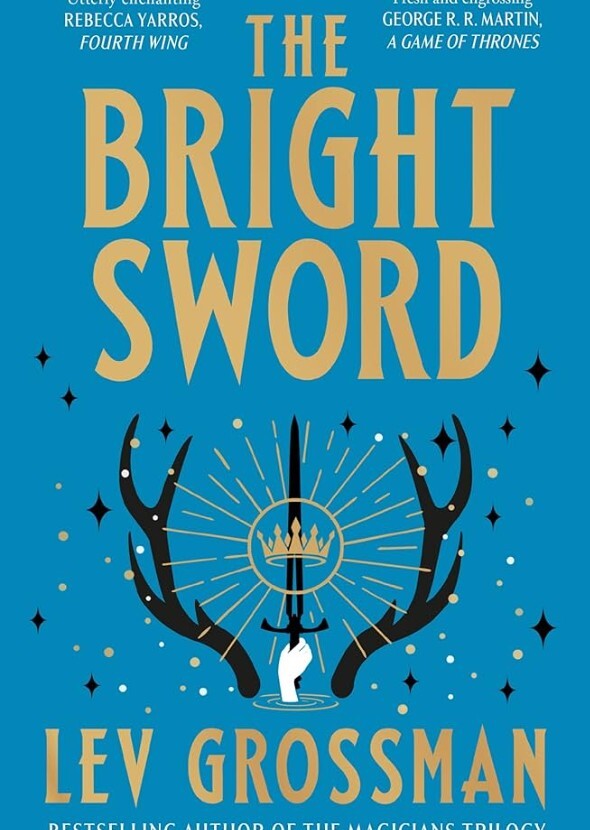
The Bright Sword
A gifted young knight named Collum arrives at Camelot to compete for a spot on the Round Table, only to find that he’s too late. The king died two weeks ago at the Battle of Camlann, leaving no heir, and only a handful of the knights of the Round Table survive. They aren’t the heroes of legend, like Lancelot or Gawain. They’re the oddballs of the Round Table, from the edges of the stories, like Sir Palomides, the Saracen Knight, and Sir Dagonet, Arthur’s fool, who was knighted as a joke. They’re joined by Nimue, who was Merlin’s apprentice until she turned on him and buried him under a hill. Together this ragtag fellowship will set out to rebuild Camelot in a world that has lost its balance. But Arthur’s death has revealed Britain’s fault lines. God has abandoned it, and the fairies and monsters and old gods are returning, led by Arthur’s half-sister Morgan le Fay. Kingdoms are turning on each other, warlords lay siege to Camelot and rival factions are forming around the disgraced Lancelot and the fallen Queen Guinevere. It is up to Collum and his companions to reclaim Excalibur, solve the mysteries of this ruined world and make it whole again. But before they can restore Camelot they’ll have to learn the truth of why the lonely, brilliant King Arthur fell, and lay to rest the ghosts of his troubled family and of Britain’s dark past.

The Acts of King Arthur and his Noble Knights
The Acts of King Arthur and His Noble Knights is a reinterpretation of tales from Malory's Morte d'Arthur. In this highly successful attempt to render Malory into Modern English, Steinbeck recreated the rhythm and tone of the original Middle English.
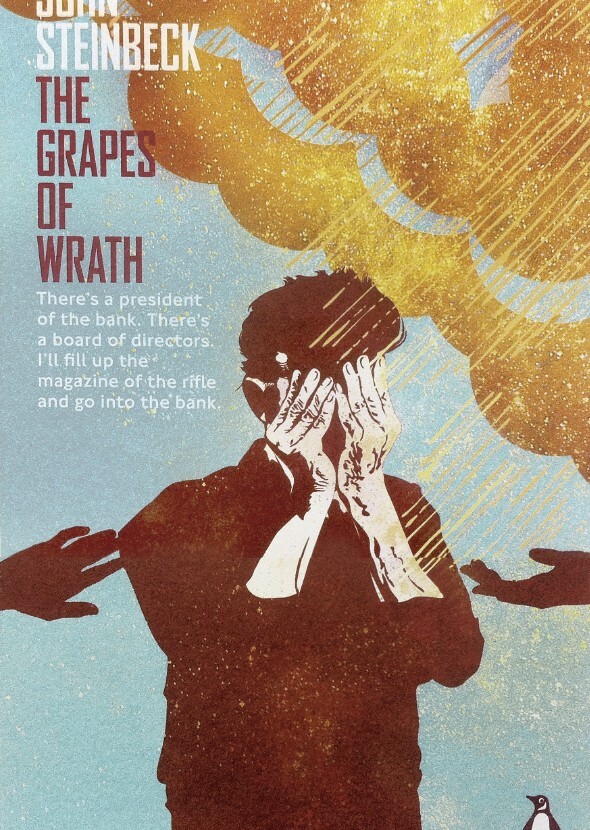
The Grapes of Wrath
First published in 1939, Steinbeck’s Pulitzer Prize-winning epic of the Great Depression chronicles the Dust Bowl migration of the 1930s and tells the story of one Oklahoma farm family, the Joads—driven from their homestead and forced to travel west to the promised land of California. Out of their trials and their repeated collisions against the hard realities of an America divided into Haves and Have-Nots evolves a drama that is intensely human yet majestic in its scale and moral vision, elemental yet plainspoken, tragic but ultimately stirring in its human dignity. A portrait of the conflict between the powerful and the powerless, of one man’s fierce reaction to injustice, and of one woman’s stoical strength, the novel captures the horrors of the Great Depression and probes into the very nature of equality and justice in America. At once a naturalistic epic, captivity narrative, road novel, and transcendental gospel, Steinbeck’s powerful landmark novel is perhaps the most American of American Classics.
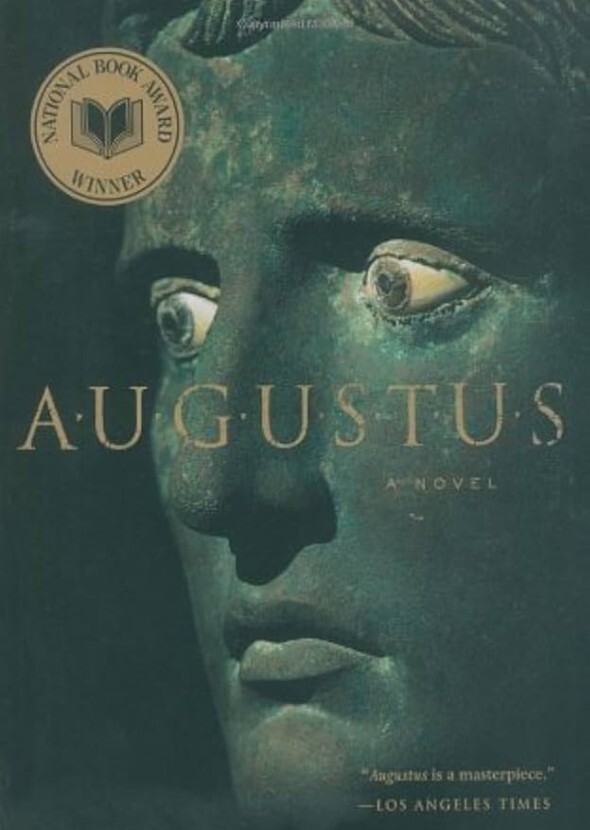
John William's Augustus
A mere eighteen years of age when his uncle, Julius Caesar, is murdered, Octavius Caesar prematurely inherits rule of the Roman Republic. Surrounded by men who are jockeying for power–Cicero, Brutus, Cassius, and Mark Antony–young Octavius must work against the powerful Roman political machinations to claim his destiny as first Roman emperor. Sprung from meticulous research and the pen of a true poet, Augustus tells the story of one man’s dream to liberate a corrupt Rome from the fancy of the capriciously crooked and the wildly wealthy. (via Goodreads)
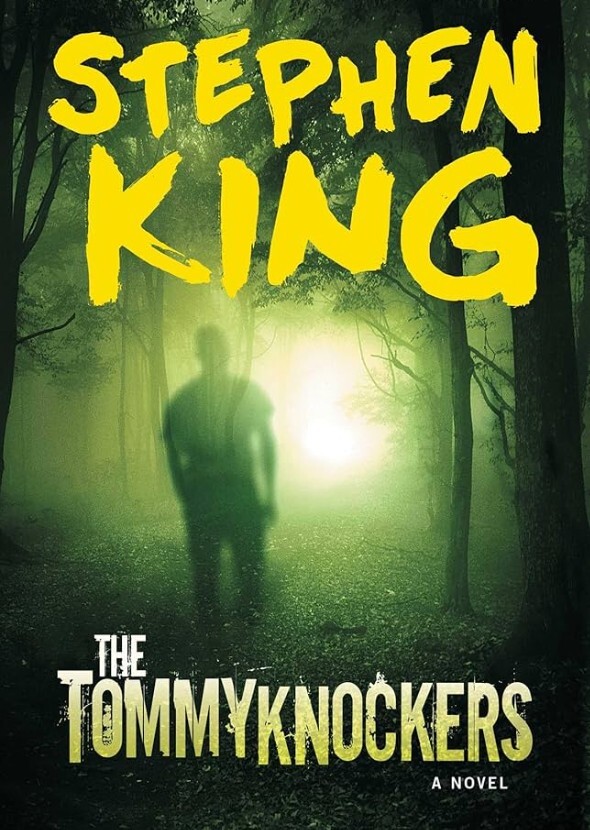
The Tommyknockers (1995)
"Something that gave every man, woman, and child in town powers far beyond ordinary mortals. Something that turned the town into a death trap for all outsiders. Something that came from a metal object, buried for millennia, that Bobbi accidentally stumbled across. It wasn't that Bobbi and the other good folks of Haven had sold their souls to reap the rewards of the most deadly evil this side of hell. It was more like a diabolical takeover...an invasion of body and soul--and mind...." (from Storygraph)