

Stories by @Tadpole
37 stories
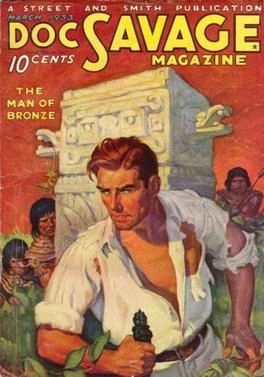
Doc Savage
Doc Savage is a brilliant polymath—scientist, inventor, adventurer, and master of martial arts—who leads an elite team of specialists on daring missions across the globe. Raised in isolation and trained to physical and mental perfection, this bronze-skinned hero possesses extraordinary strength, intellect, and an unwavering moral code. Alongside his loyal crew of experts—each a master in their field—Doc confronts sinister threats ranging from mad scientists and criminal masterminds to supernatural mysteries. Driven by an insatiable hunger for justice and knowledge, he navigates treacherous jungles, hidden temples, and high-tech lairs. Balancing his desire for a normal life with his compulsion to help others, Doc Savage embodies the ultimate hero: a man of action and principle who refuses to accept the impossible.
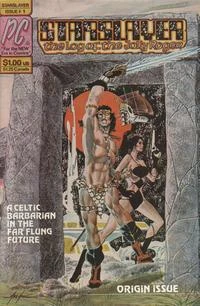
Starslayer
A hardened space mercenary discovers an ancient alien weapon capable of destroying entire star systems. Torn between selling it to the highest bidder and preventing galactic annihilation, the protagonist must assemble a ragtag crew of rebels, exiles, and unlikely allies to stay ahead of ruthless corporate hunters and a militaristic empire determined to weaponize the artifact. As the mercenary uncovers the weapon's true origin and devastating potential, personal vendettas collide with cosmic stakes. Racing across hostile planets and through treacherous asteroid fields, the team confronts questions of power, redemption, and sacrifice. With time running out and trust constantly tested, they must decide whether to destroy the weapon forever or risk everything to control it—knowing that either choice could reshape the universe itself.

I Hate Hamlet
A struggling actor named Andrew Rally inherits a lavish Manhattan penthouse from his godfather, a famous Shakespearean actor. As Andrew prepares to abandon theater for a lucrative television role, the ghost of his godfather materializes in the apartment, determined to convince him to stay true to his theatrical roots. The specter challenges Andrew to perform Hamlet, arguing that television is a betrayal of their shared artistic legacy. What unfolds is a hilarious battle of wills between the living and the dead, filled with Shakespearean references, witty banter, and unexpected romance. Andrew must navigate his ambitions, his mentor's ethereal interference, and his growing feelings for a woman in his life, all while grappling with questions about artistic integrity versus commercial success. The play celebrates the power of theater and mentorship while exploring what it means to honor both your dreams and your heritage.

Let's Murder Marsha
Let's Murder Marsha is a darkly comedic thriller that follows a group of misfit friends who fantasize about eliminating their mutual nemesis, Marsha—a toxic, manipulative woman who has made their lives miserable. When Marsha's sudden death occurs under mysterious circumstances, the friends become prime suspects as they navigate a web of suspicion, guilt, and unexpected consequences. As a detective closes in on the truth, the group must confront their own culpability, the line between fantasy and reality, and whether they're actually guilty of the crime they've only joked about committing. The story explores themes of friendship, moral ambiguity, and the dangerous power of collective resentment, blending sharp humor with genuine tension as the characters unravel under pressure.
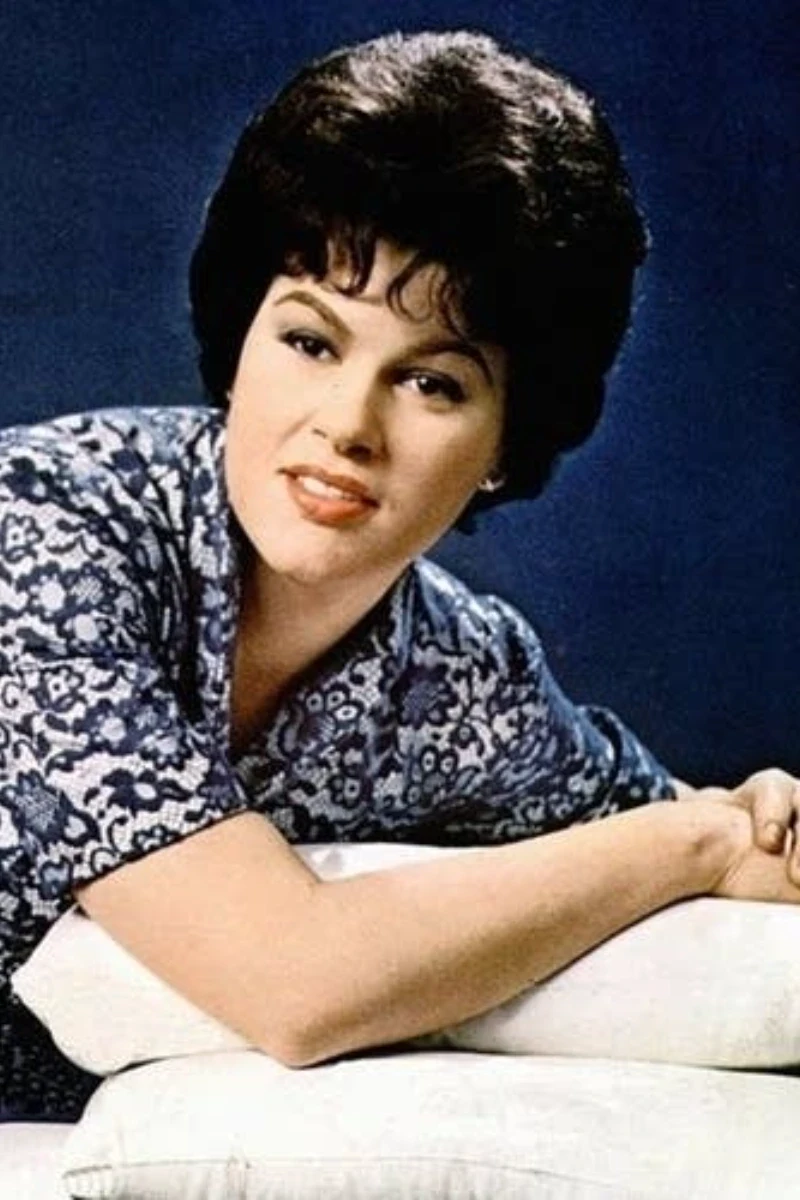
Patsy
Patsy Cline, a determined young woman from Virginia, claws her way out of poverty to become one of country music's greatest voices. Defying her mother's disapproval and navigating a male-dominated industry, Patsy transforms from a struggling performer into an icon, delivering unforgettable hits like "Crazy" and "I Fall to Pieces." Her raw talent and fearless personality captivate audiences, but her meteoric rise comes at a cost—fractured relationships, personal sacrifice, and the relentless pressure of fame. As she reaches the pinnacle of her career, Patsy confronts the choices that have defined her life. This is the story of a woman who refused to be silenced, whose voice transcended genre and time, and whose legacy endures long after her tragic final flight.

Everybody Loves Opal
Opal is a sharp-tongued, eccentric woman in her seventies who has spent decades keeping the world at arm's length. When she's forced to move into a quirky assisted living community after a health scare, her carefully constructed walls begin to crack. Surrounded by a colorful cast of residents—each with their own secrets and stories—Opal discovers unexpected friendships and second chances she never thought possible. As she navigates romance, family reconciliation, and the messy business of actually letting people in, Opal learns that it's never too late to rewrite your story. Warm, witty, and surprisingly tender, this is a celebration of aging, resilience, and the transformative power of human connection.
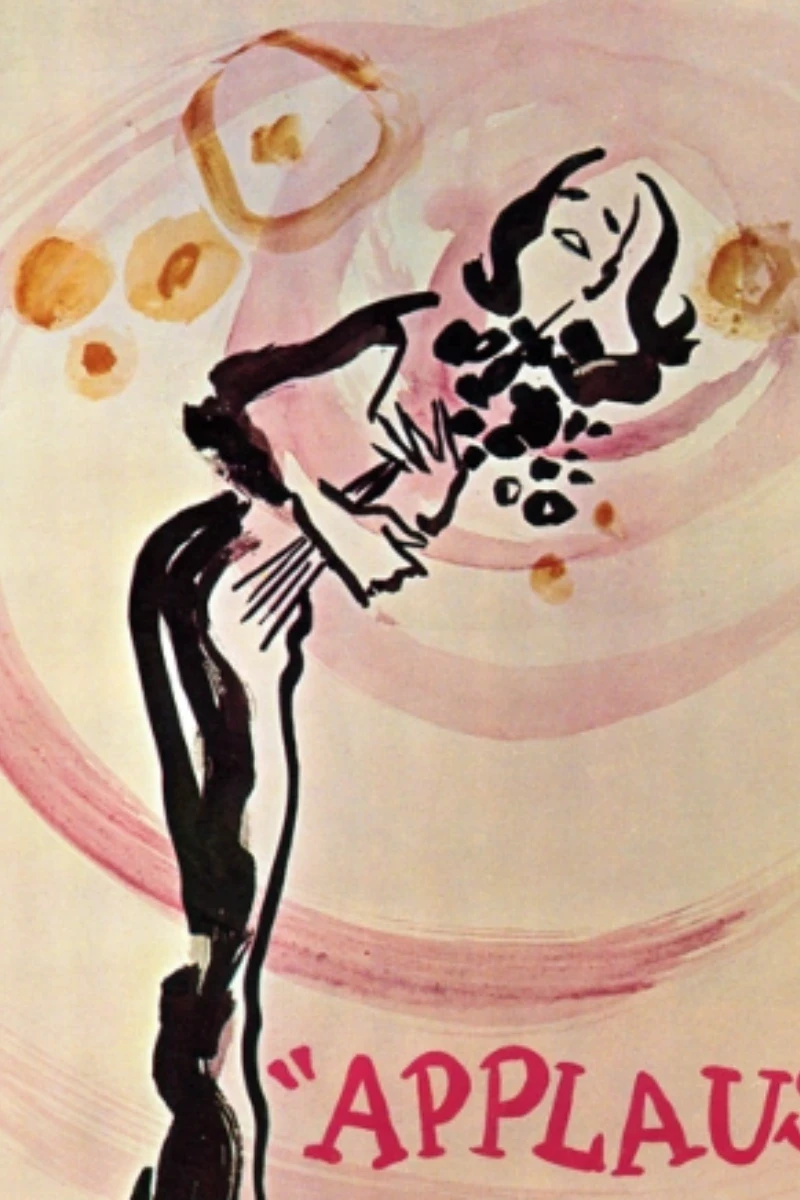
Applause
Applause follows Margo Channing, a legendary but aging Broadway star whose reign atop the theatrical world faces an unexpected threat when an ambitious young understudy named Eve Harrington arrives in her life. As Margo navigates the pressures of maintaining her status, her relationships with her devoted husband, her best friend, and her theater company become increasingly complicated by Eve's calculated charm and ruthless ambition. The musical explores themes of vanity, ambition, friendship, and the passage of time through dazzling production numbers and intimate character moments. Set against the glittering backdrop of Broadway in the 1950s, the story captures both the glamour and the cutthroat nature of show business. Margo must confront her own insecurities and mortality while learning to distinguish between genuine connection and manipulation. The narrative builds to a climactic revelation that forces all characters to reassess their values and priorities. With its sophisticated wit, memorable songs, and exploration of female ambition and rivalry, Applause celebrates the transformative power of theater while examining the costs of fame and the importance of authenticity in a world built on illusion.

Pickford The Woman Who Created Hollywood
Mary Pickford rises from poverty to become the most powerful woman in entertainment history. Known as "America's Sweetheart," she transforms from a struggling stage actress into a shrewd businesswoman who controls her own destiny in an industry designed to exploit her. Navigating the cutthroat world of silent cinema, she battles studio moguls, reinvents her public image, and demands unprecedented creative control and compensation. Her journey reveals the fierce intelligence and ambition behind the innocent facade that captivated millions. As she co-founds United Artists and mentors the next generation, Pickford proves that true stardom requires not just talent, but ruthless determination. Her story exposes how one woman's refusal to be controlled reshaped Hollywood itself, establishing the blueprint for modern celebrity power.
Amelia Bedelia
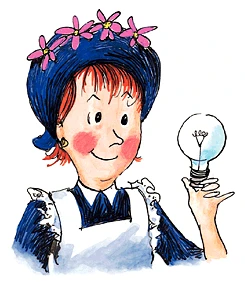
Amelia Bedelia is a well-meaning but hilariously literal-minded housekeeper who takes every instruction at face value, creating comedic chaos wherever she goes. When she's hired to work for the Rogers family, her tendency to interpret idiomatic expressions and common phrases in their most literal sense leads to a series of absurd and endearing mishaps. Asked to 'draw the curtains,' she sketches them; told to 'dust the furniture,' she covers it in powder; instructed to 'put out the lights,' she carries them outside. Despite the mayhem she causes, Amelia Bedelia's genuine kindness, earnest desire to please, and unexpected problem-solving abilities win over the family and those around her. Her innocent misunderstandings reveal the quirks and ambiguities of language while celebrating the value of good intentions and persistence. The character has become a beloved fixture in children's literature, spawning numerous books, adaptations, and spin-offs that explore themes of acceptance, communication, and finding humor in life's everyday confusions.
The Prince and the Pauper
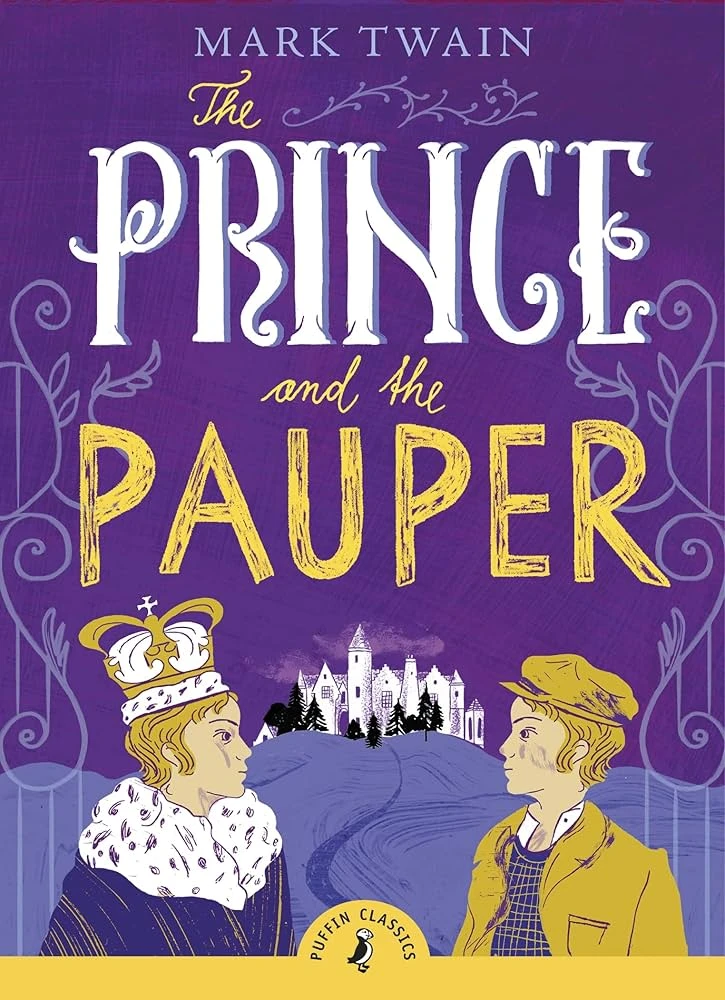
In Tudor England, Prince Edward and Tom Canty, a pauper boy, bear an uncanny resemblance to one another. When they meet and impulsively exchange clothes, they discover they are nearly identical. The prince, curious about life beyond palace walls, agrees to switch places with Tom for a day. What begins as a lark becomes a desperate situation when the boys are separated and unable to find each other. Edward, dressed in rags and claiming to be the prince, is cast out into the harsh streets of London, where no one believes his identity. Meanwhile, Tom, thrust into royal life, must navigate court intrigue, protocol, and the weight of the crown while struggling with his conscience. As Edward endures poverty and cruelty, he gains compassion and understanding for his subjects' suffering. Tom discovers the loneliness and burden of power. Both boys are transformed by their experiences, learning truths about privilege, identity, and humanity that their original stations could never teach them. The story culminates in a dramatic revelation that tests loyalty, truth, and the bonds of friendship forged between two boys from opposite worlds.

A Tale of Two Cities
In revolutionary France, a dissolute English lawyer and a passionate French aristocrat become entangled in a dangerous love triangle during the Reign of Terror. Charles Darnay, a nobleman who has renounced his title to escape his family's cruelty, falls in love with Lucie Manette, a compassionate young woman devoted to her father—a man broken by years of political imprisonment. Sydney Carton, a cynical, self-destructive barrister, harbors an unrequited love for Lucie while watching helplessly as she chooses Darnay. When revolution erupts and Darnay is arrested and sentenced to death, Carton makes a final, redemptive sacrifice that transforms his wasted life into something meaningful. Set against the chaos of the French Revolution, this epic tale explores resurrection, sacrifice, and the possibility of redemption through love and selflessness.
The Pickwick Papers
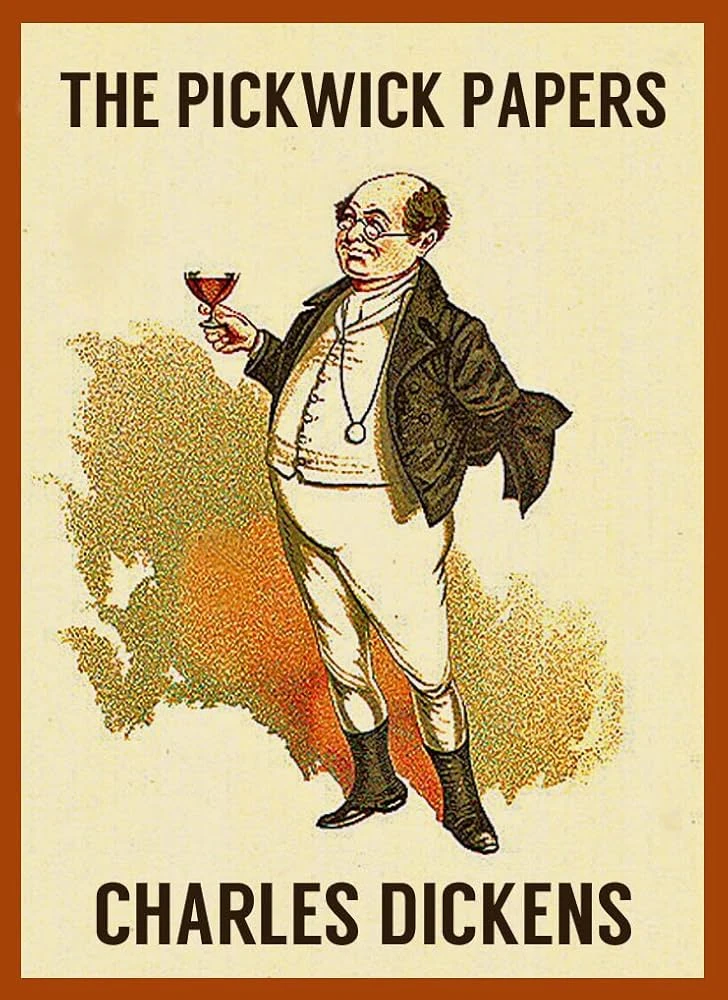
Mr. Samuel Pickwick, the well-meaning but naive founder of the Pickwick Club, embarks on a series of misadventures across the English countryside accompanied by his loyal friends and servants. What begins as a genteel expedition to observe provincial life devolves into a cascade of comic mishaps, romantic entanglements, and social chaos. Pickwick encounters a colorful cast of characters—from the verbose Mr. Jingle to the devoted Sam Weller—each encounter more absurd than the last. The narrative weaves together multiple plotlines: a mysterious breach-of-promise lawsuit, a budding romance between Pickwick's friend Tupman and the widow Mrs. Bardell, and various schemes and cons that entangle the innocent travelers. Through tavern brawls, cricket matches, elections, and courtroom drama, Dickens crafts a sprawling portrait of English society in all its eccentricity. Ultimately, the novel celebrates friendship, loyalty, and the redemptive power of human kindness, as Pickwick's genuine benevolence transforms those around him despite the chaos he inadvertently creates.
Windy McPherson's Son
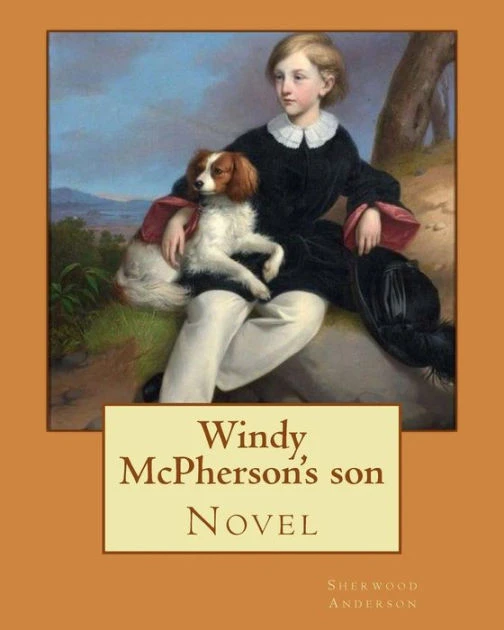
Windy McPherson's Son follows the life of Sam McPherson, a young man growing up in a small Midwestern town at the turn of the twentieth century. The novel traces Sam's evolution from a restless, ambitious boy eager to escape his humble origins to a man grappling with the complexities of success, morality, and meaning. After leaving his hometown, Sam pursues wealth and prominence in the business world, achieving considerable financial success but discovering that material accomplishment brings neither fulfillment nor peace. Disillusioned by the corruption and emptiness he encounters in the pursuit of the American Dream, Sam embarks on a spiritual and philosophical quest, eventually finding purpose in unexpected places and relationships. The narrative explores themes of ambition, disillusionment, redemption, and the search for authentic human connection in an increasingly industrialized America. Through Sam's journey, the novel examines the tension between individual aspiration and moral integrity, questioning what truly constitutes a meaningful life.
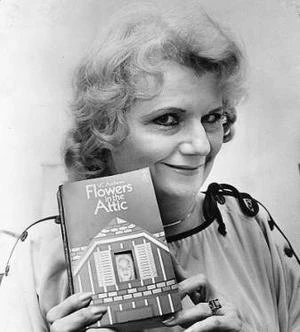
Virginia
This gripping biographical drama chronicles the extraordinary life of V.C. Andrews, the reclusive gothic novelist whose twisted tales of family secrets and forbidden desires captivated millions. Confined to her home by a debilitating illness, Virginia transforms her isolation into literary genius, crafting dark masterpieces that blur the line between autobiography and fiction. The film explores her complex relationship with her domineering mother, her hidden identity as a queer woman in a repressive era, and the mysterious circumstances surrounding her life that inspired her haunting novels. As Virginia battles physical limitations, family dysfunction, and societal judgment, she discovers that her greatest power lies in the stories only she can tell—stories drawn from the shadows of her own existence that would define a generation of readers.

The Little Match Girl
A poor, barefoot girl wanders the frozen streets on New Year's Eve, desperately selling matches to survive the bitter cold. Ignored by hurried passersby, she huddles in a doorway as night falls, her thin clothes offering no protection against the winter's bite. As hunger and exhaustion overwhelm her, she strikes her matches one by one, each flame conjuring vivid, magical visions—a warm stove, a feast, a glowing Christmas tree, and the loving grandmother she's lost. These fleeting moments of warmth and comfort transport her to a world of beauty and belonging. Through stunning animation, the film weaves between her harsh reality and these ethereal dreams, creating a poignant meditation on hope, loss, and the power of imagination to transcend suffering. A timeless tale of resilience and wonder.
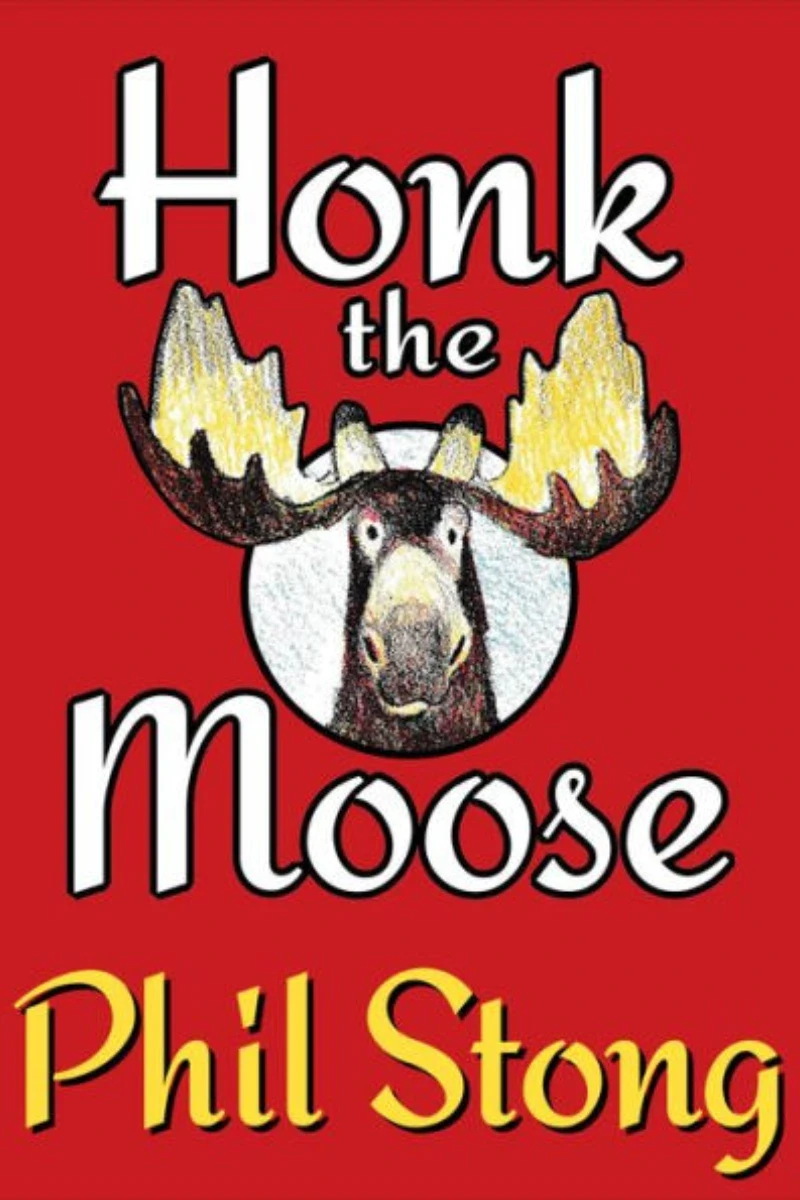
Honk, the Moose
A young moose with an unusually loud honk discovers he's different from his herd when his distinctive call attracts unwanted attention from hunters and tourists alike. Determined to find where he belongs, Honk embarks on a cross-country journey through forests, mountains, and small towns, befriending an unlikely cast of woodland creatures and humans who help him embrace his unique voice. Along the way, he learns that being different isn't a curse—it's a gift. As Honk grows into his power, he must decide whether to hide who he is or use his remarkable honk to save his forest home from destruction. A heartwarming adventure about self-acceptance, courage, and finding your voice in a world that demands conformity.

It Girl Clara Bow
Clara Bow rises from poverty to become Hollywood's most electrifying star during the Jazz Age. With her magnetic charm, expressive eyes, and fearless spirit, she captivates audiences and defines the modern flapper ideal. Yet behind the glittering facade of silent films and wild parties, Clara battles studio manipulation, jealous rivals, and her own insecurities. As she navigates the cutthroat world of 1920s cinema, she must choose between the manufactured persona the studios demand and her authentic self. Her meteoric rise brings fame, scandal, and unexpected love, but also threatens to consume her. Clara's journey explores the price of stardom and whether true happiness can exist in an industry built on illusion.

Tender is the Night
On the French Riviera during the glittering 1920s, a brilliant psychiatrist and his wealthy wife preside over an idyllic world of parties, beauty, and endless summer. But beneath the champagne and sunshine lurks a darker reality. As the charismatic doctor becomes increasingly entangled with a beautiful young patient, his professional boundaries crumble alongside his marriage. Ambition, desire, and moral compromise intertwine as the couple's golden life unravels. Their world of privilege and excess masks deep psychological wounds and emotional devastation. What begins as a glamorous escape becomes a tragic descent into disillusionment, revealing how easily paradise can transform into a prison of regret and lost potential.
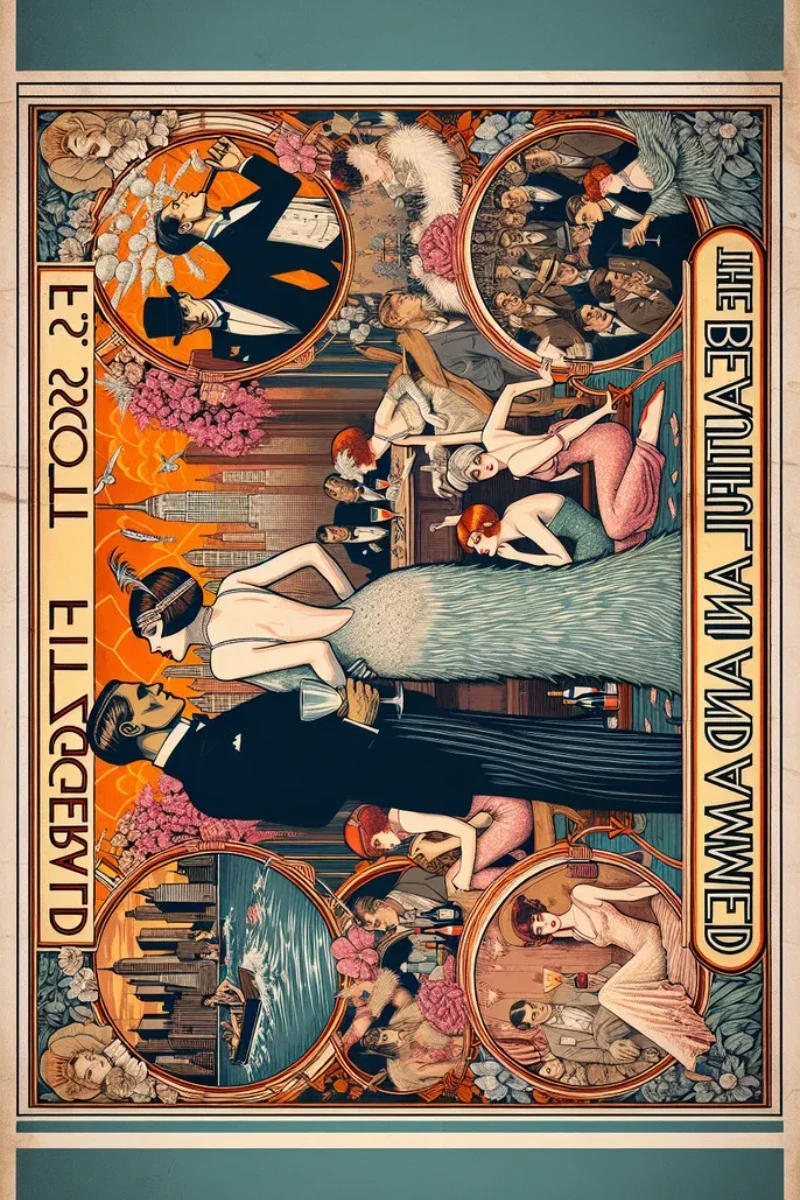
The Beautiful and Dammed
F. Scott Fitzgerald's debut novel follows Anthony Patch and his wife Gloria as they navigate the glittering but morally bankrupt world of 1920s New York high society. Wealthy, beautiful, and utterly self-absorbed, the couple drifts through a haze of parties, alcohol, and hedonistic excess while waiting to inherit a vast fortune. As they squander their youth and resources on meaningless pursuits, their relationship deteriorates and their prospects dim. Anthony's obsession with a legal battle over his inheritance consumes him, while Gloria's fading beauty becomes her primary source of anxiety. The novel captures the disillusionment of the Jazz Age elite—glamorous on the surface but hollow within. Through their decline, Fitzgerald explores themes of American materialism, the corruption of wealth, and the spiritual emptiness lurking beneath the era's glittering facade. The Patches' trajectory from promising youth to bitter, broken middle age serves as a cautionary tale about the dangers of living without purpose or moral foundation, making this a prescient critique of American excess that remains strikingly relevant.
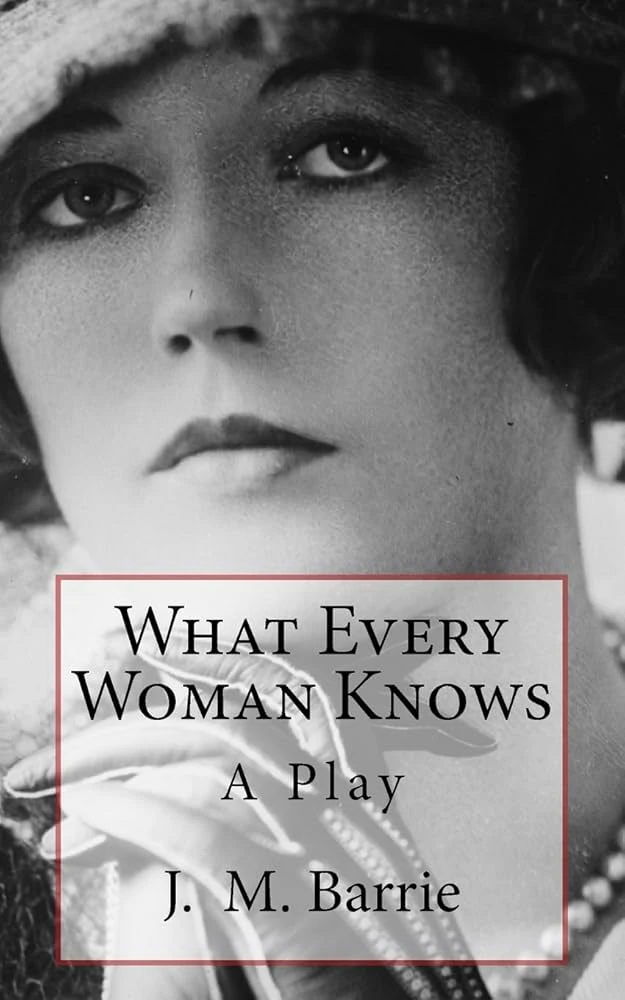
What Every Woman Knows
What Every Woman Knows follows the clever Wylie family of Scotland, whose lives change when they catch a young man, John Shand, attempting to burgle their home. Rather than turn him in, they strike a bargain: they'll finance his education and help him rise in the world, on the condition that he marries their daughter Maggie. John agrees, viewing it as a practical arrangement, and the family sets him on a path to success in politics and public life. Years later, as John becomes a celebrated and ambitious man, he takes credit for his own achievements and grows distant from Maggie, falling under the spell of a glamorous countess. Maggie, however, possesses a quiet wisdom and understanding that proves far more valuable than anyone realizes. The play explores the invisible influence women wield in shaping men's destinies, the nature of true partnership, and the power of genuine love over superficial attraction. Through witty dialogue and tender moments, the story reveals that behind every successful man stands a woman whose contributions often go unrecognized—and that real strength lies not in ambition, but in knowing one's true worth.