Pteranodon (/tɪˈrænədɒn/; from Greek πτερόν (pteron, "wing") and ἀνόδων (anodon, "toothless")) is a genus of pterosaur that included some of the largest known flying reptiles, with wingspans over 7 meters (23 feet). They lived during the late Cretaceous geological period of North America in present-day Kansas, Alabama, Nebraska, Wyoming, and South Dakota. More fossil specimens of Pteranodon have been found than any other pterosaur, with about 1,200 specimens known to science, many of them well preserved with nearly complete skulls and articulated skeletons. It was an important part of the animal community in the Western Interior Seaway.[1] Pteranodon was a pterosaur, meaning that it is not a dinosaur. By definition, all dinosaurs belong to one of the two groups within Dinosauria, i.e. Saurischia or Ornithischia. As such, this excludes pterosaurs. Nonetheless, Pteranodon is frequently featured in dinosaur media and are strongly associated with dinosaurs by the general public.[2] While not dinosaurs, pterosaurs such as Pteranodon form a clade closely related to dinosaurs as both fall
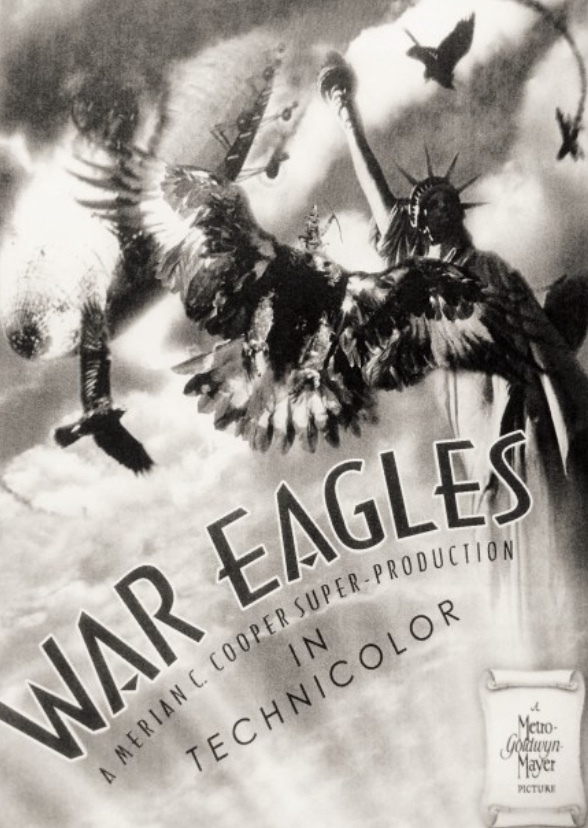
Set just before World War II the story follows J.P. Brandt, a young American Air Force test pilot who is publicly humiliated and court-martialed after a stunt in a plane goes wrong, which endangers President Roosevelt. Despite this, he is able to get a job to pilot an experimental plane from the North to the South Pole. However, during the journey the plane is attacked by a Giant White Eagle, resulting in Brandt and the Crew crashing onto an undiscovered island with living dinosaurs, strange creatures, and a tribe of Vikings who ride giant eagles. After Brandt befriends the Vikings and manages to tame the island's apex predator, the legendary White Eagle who brought down his plane, naming him "Lindy", he discovers that the Nazis are planning to attack the United States with a new superweapon and Brandt and Lindy have to rally the Vikings to fight them.