Died at 97
male
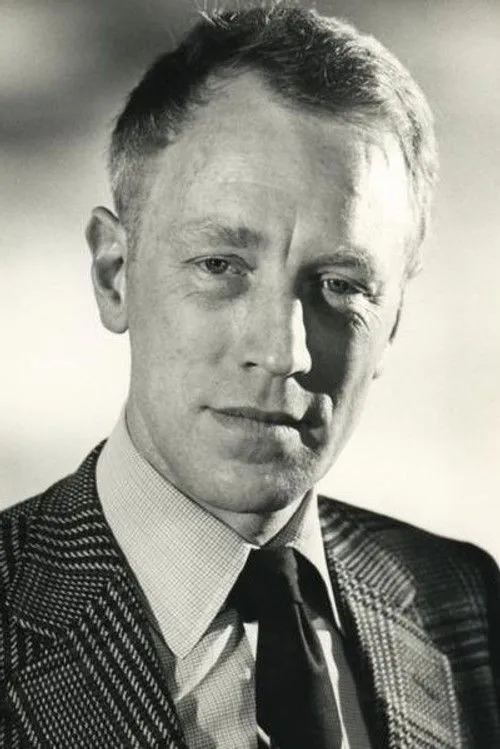
Max von Sydow (born Carl Adolf von Sydow; April 10, 1929 – March 8, 2020) was a Swedish actor. He also held French citizenship since 2002. He starred in many films and had supporting roles in dozens more. He performed in films filmed in many languages, including Swedish, Norwegian, English, Italian, German, Danish, French and Spanish. Some of his most memorable film roles include knight Antonius Block in Ingmar Bergman's The Seventh Seal (the first of his eleven films with Bergman and the film that includes the iconic shot of his career in the scene where he plays chess with Death), Jesus in George Stevens's The Greatest Story Ever Told, Father Merrin in Friedkin's The Exorcist, Joubert the assassin in Three Days of the Condor, and Ming the Merciless in the 1980 version of Flash Gordon. He was twice nominated for the Academy Award - Best Leading Actor for Pelle the Conqueror (1988) and Best Supporting Actor for Extremely Loud and Incredibly Close (2011).

The Tempest is a play by William Shakespeare, probably written in 1610–1611, and thought to be one of the last plays that Shakespeare wrote alone. After the first scene, which takes place on a ship at sea during a tempest, the rest of the story is set on a remote island, where the sorcerer Prospero, a complex and contradictory character, lives with his daughter Miranda, and his two servants—Caliban, a savage monster figure, and Ariel, an airy spirit. The play contains music and songs that evoke the spirit of enchantment on the island. It explores many themes, including magic, betrayal, revenge, and family. In Act IV, a wedding masque serves as a play-within-the play, and contributes spectacle, allegory, and elevated language. Though The Tempest is listed in the First Folio as the first of Shakespeare's comedies, it deals with both tragic and comic themes, and modern criticism has created a category of romance for this and others of Shakespeare's late plays. The Tempest has been put to varied interpretations—from those that see it as a fable of art and creation, with Prospero representing Shakespeare, and Prospero's renunciation of magic signaling Shakespeare's farewell to the stage, to interpretations that consider it an allegory of Europeans colonizing foreign lands.