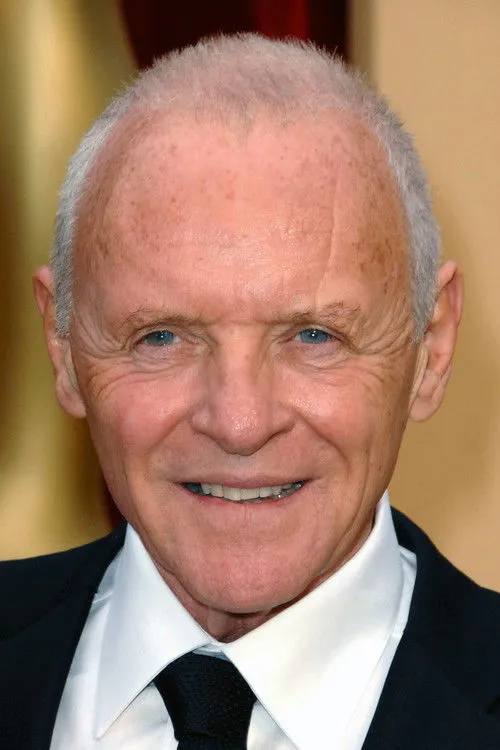
Age: 80
male
John Arthur Lithgow (born October 19, 1945) is an American actor. He studied at Harvard University and the London Academy of Music and Dramatic Art before becoming known for his diverse work on stage and screen. He has received numerous accolades, including six Primetime Emmy Awards, two Golden Globe Awards, and two Tony Awards, as well as nominations for two Academy Awards, a British Academy Film Award, four Grammy Awards, four Screen Actors Guild Awards, and a Laurence Olivier Award. Lithgow won two Tony Awards, his first for Best Featured Actor in a Play for his Broadway debut in The Changing Room (1972) and his second for Best Actor in a Musical for the musical Sweet Smell of Success (2002). He was Tony-nominated for Requiem for a Heavyweight (1985), M. Butterfly (1988), and Dirty Rotten Scoundrels (2005). He has acted in the plays The Columnist (2012), A Delicate Balance (2014), and Hillary and Clinton (2019). He portrayed Roald Dahl in the play Giant on the West End, for which he was nominated for the Olivier Award for Best Actor. He starred as Dick Solomon in the television sitcom 3rd Rock from the Sun (1996–2001), winning three Primetime Emmy Awards for Best Actor in a Comedy Series. He received further Primetime Emmy Awards for his performances as Arthur Mitchell in the drama Dexter (2009) and as Winston Churchill in the Netflix drama The Crown (2016–2019). He also starred in HBO's Perry Mason (2020) and FX's The Old Man (2022). On film, he has received two Academy Awards for Best Supporting Actor nominations for his roles as a transgender ex-football player in The World According to Garp (1982) and a lonely banker in Terms of Endearment (1983). He also acted in All That Jazz (1979), Blow Out (1981), Footloose (1984), Harry and the Hendersons (1987), A Civil Action (1998), Shrek (2001), Kinsey (2004), Rise of the Planet of the Apes (2011), Love Is Strange (2014), Interstellar (2014), Late Night (2019), Bombshell (2019), Killers of the Flower Moon (2023), and Conclave (2024).

The Tempest is a play by William Shakespeare, probably written in 1610–1611, and thought to be one of the last plays that Shakespeare wrote alone. After the first scene, which takes place on a ship at sea during a tempest, the rest of the story is set on a remote island, where the sorcerer Prospero, a complex and contradictory character, lives with his daughter Miranda, and his two servants—Caliban, a savage monster figure, and Ariel, an airy spirit. The play contains music and songs that evoke the spirit of enchantment on the island. It explores many themes, including magic, betrayal, revenge, and family. In Act IV, a wedding masque serves as a play-within-the play, and contributes spectacle, allegory, and elevated language. Though The Tempest is listed in the First Folio as the first of Shakespeare's comedies, it deals with both tragic and comic themes, and modern criticism has created a category of romance for this and others of Shakespeare's late plays. The Tempest has been put to varied interpretations—from those that see it as a fable of art and creation, with Prospero representing Shakespeare, and Prospero's renunciation of magic signaling Shakespeare's farewell to the stage, to interpretations that consider it an allegory of Europeans colonizing foreign lands.