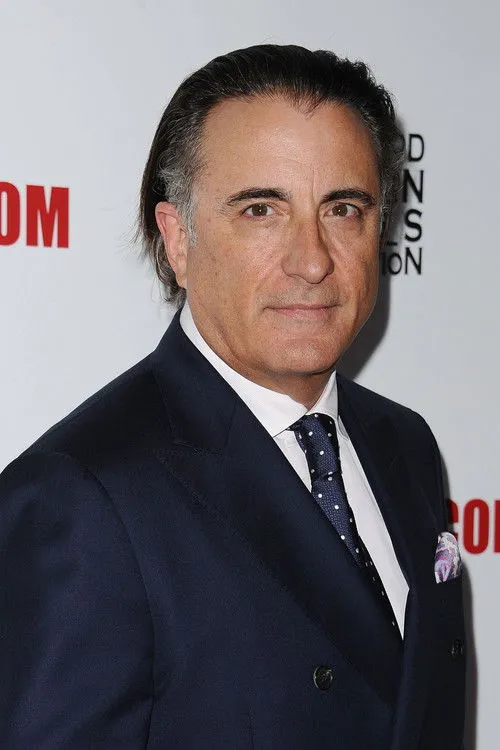
Age: 68
male
Peter Dougan Capaldi (born April 14, 1958) is a Scottish actor, writer and director. He portrayed the twelfth incarnation of the Doctor in Doctor Who and Malcolm Tucker the spin doctor in The Thick of It, for which he has received four British Academy Television Award nominations, winning Best Male Comedy Performance in 2010. When he reprised the role in In the Loop, Capaldi was honoured with several film critic award nominations for Best Supporting Actor. In 2012, Capaldi wrote (with Tony Roche), directed and performed in The Cricklewood Greats, an affectionate spoof documentary about a fictitious film studio, which tracks real developments and trends throughout the history of British cinema. Film roles include Oldsen in Local Hero, Angus Flint in Ken Russell's The Lair of the White Worm, and Mr Curry in Paddington and its sequel, Paddington 2. As a director, Capaldi won the Academy Award for Best Live Action Short Film and the BAFTA Award for Best Short Film for his short film Franz Kafka's It's a Wonderful Life. He went on to write and direct the drama film Strictly Sinatra and helmed two series of sitcom Getting On.

The Tempest is a play by William Shakespeare, probably written in 1610–1611, and thought to be one of the last plays that Shakespeare wrote alone. After the first scene, which takes place on a ship at sea during a tempest, the rest of the story is set on a remote island, where the sorcerer Prospero, a complex and contradictory character, lives with his daughter Miranda, and his two servants—Caliban, a savage monster figure, and Ariel, an airy spirit. The play contains music and songs that evoke the spirit of enchantment on the island. It explores many themes, including magic, betrayal, revenge, and family. In Act IV, a wedding masque serves as a play-within-the play, and contributes spectacle, allegory, and elevated language. Though The Tempest is listed in the First Folio as the first of Shakespeare's comedies, it deals with both tragic and comic themes, and modern criticism has created a category of romance for this and others of Shakespeare's late plays. The Tempest has been put to varied interpretations—from those that see it as a fable of art and creation, with Prospero representing Shakespeare, and Prospero's renunciation of magic signaling Shakespeare's farewell to the stage, to interpretations that consider it an allegory of Europeans colonizing foreign lands.