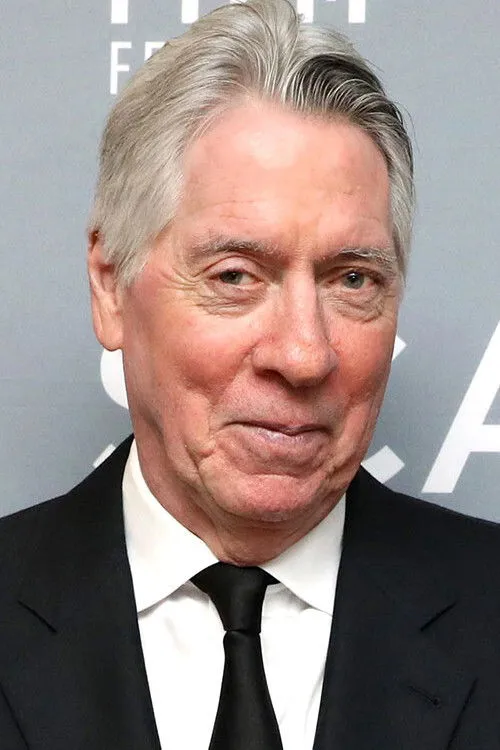
Age: 70
male
John Cardon Debney (born August 18, 1956) is an American composer and conductor of film, television, and video game scores. His work encompasses a variety of mediums and genres, including comedy, horror, science fiction, thriller, fantasy, and action-adventure. He is a long-time collaborator of The Walt Disney Company, having written music for their films, television series, and theme parks. He has also collaborated with film directors such as Jon Favreau, Garry Marshall, Tom Shadyac, Peter Hyams, John A. Davis, Brad Anderson, Howard Deutch, Mark Dindal, Robert Rodriguez, and Paul Tibbitt. Debney has been the recipient of three Primetime Emmy Awards and an Academy Award nomination for his score for Mel Gibson's The Passion of the Christ (2004). The son of Disney Studios producer Louis Debney (Zorro, The Mickey Mouse Club), John was born and raised in Glendale, California, nearby to Disney. He began guitar lessons at age six and played in rock bands in college. Debney earned his B.A. degree in Music Composition from the California Institute of Arts in 1979. After ending his career with Disney, Debney worked for Mike Post. Debney furthered his hands-on training by working with Hanna-Barbera composer Hoyt Curtin. After this, Debney went on to score television projects as diverse as Disneyland, Star Trek: The Next Generation, Star Trek: Deep Space Nine, SeaQuest DSV, A Pup Named Scooby-Doo, The Cape, The Lazarus Man, Piggsburg Pigs!, The Further Adventures of SuperTed, Doctor Who, Cagney and Lacey, Tiny Toon Adventures, The Young Riders, The New Yogi Bear Show, Police Academy: The Animated Series, Fame, Captain Power and the Soldiers of the Future, Dragon's Lair, Freshman Dorm, Pop Quiz, and Dink, the Little Dinosaur, for which he won an Emmy for Best Main Title. In the early 1990s, Debney began to score indie films and Disneyland attractions. In 1991, Debney composed the music for Phantom Manor and It's a Small World (also used at Disneyland from 1993 to 2002) in Disneyland Paris and SpectroMagic at Magic Kingdom. In 1993, he scored his first studio feature, the Disney comedy Hocus Pocus starring Bette Midler. In 1994, Debney wrote Friends Forever with Greg Scelsa from Greg & Steve's album We All Live Together, Vol. 5. Debney has since gone on to have a career composing scores for many films, including Cats & Dogs, The Passion of the Christ, Bruce Almighty, I Know What You Did Last Summer, Elf, Sin City, Chicken Little, Liar Liar, Spy Kids, The Scorpion King, The Princess Diaries, and Predators. Debney has also composed scores for the video games Lair and The Sims Medieval. In 2010, he composed the theme music for the Nickelodeon television series Supah Ninjas. He composed some of Disney Parks's Nighttime Spectaculars, including World Of Colour Celebrate! in Disney's California Adventure, The Magic, The Memories And You! and Celebrate the Magic in Walt Disney World Magic Kingdom and Celebrate! Tokyo Disneyland in Tokyo Disneyland, as well as an arrangement of "When You Wish Upon a Star" as a fanfare for the Walt Disney Pictures logo from 1985 to 2006. Description above from the Wikipedia article John Debney, licensed under CC-BY-SA, full list of contributors on Wikipedia.

In the late 1880s, an English couple and their infant son escape a shipwreck, ending up near uncharted rainforests off the coast of Africa. The couple craft themselves a treehouse from their ship's wreckage, but are subsequently killed by Sabor, a leopardess. Kala, a female western gorilla who recently lost her own child to Sabor, hears the cries of the orphaned infant and finds him in the ruined treehouse. Though she is attacked by Sabor, Kala and the baby manage to escape. Kala takes the baby back to the jungle to raise as her own, an action of which the leader and her mate, Kerchak, grudgingly disapproves. Kala raises the human child, naming him Tarzan. Years later, Tarzan begins to befriend other gorillas and animals, including a young female gorilla named Terk and the paranoid male elephant Tantor. Tarzan finds himself treated differently because of his different physique, so he makes great efforts to improve himself. As a young man, Tarzan manages to kill Sabor with a crude spear he made, gaining Kerchak's reluctant respect.