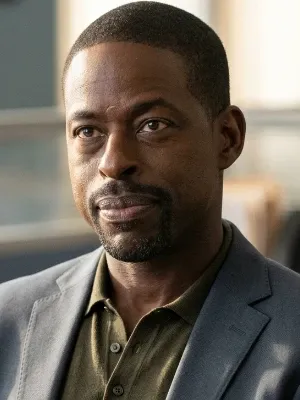
Age: 56
male
Colman Jason Domingo (born November 28, 1969) is an American actor, playwright, and director. Prominent on both screen and stage since the 2010s, Domingo has received various accolades, including a Primetime Emmy Award, and nominations for an Academy Award and two Tony Awards. Time magazine named him one of the 100 most influential people in the world in 2024. Domingo's early Broadway roles include the 2005 play Well and the 2008 musical Passing Strange. He gained acclaim for his role as Mr. Bones in the Broadway musical The Scottsboro Boys (2011), for which he was nominated for the Tony Award for Best Featured Actor in a Musical. He reprised the role in the 2014 West End production, receiving a nomination for the Laurence Olivier Award for Best Performance in a Supporting Role in a Musical. In 2018, he wrote the book for the Broadway musical Summer: The Donna Summer Musical. After early roles in various incarnations of the Law & Order series and as part of the main cast for The Big Gay Sketch Show, Domingo had his breakthrough playing Victor Strand in the AMC series Fear the Walking Dead (2015–2023). He gained wider acclaim for his recurring role as the recovering drug addict Ali on the HBO series Euphoria (2019–present), winning the Primetime Emmy Award for Outstanding Guest Actor in a Drama Series in 2022. Domingo received consecutive nominations in 2024 and 2025 for the Academy Award for Best Actor for his portrayals of civil rights activist Bayard Rustin in the biopic Rustin and a prison inmate in the drama Sing Sing. His other notable film appearances include roles in Lincoln (2012), The Butler (2013), Selma (2014), If Beale Street Could Talk (2018), Ma Rainey's Black Bottom (2020), Zola (2021), and The Color Purple (2023). Description above from the Wikipedia article Colman Domingo, licensed under CC-BY-SA, full list of contributors on Wikipedia.
Colman Domingo

Mace Windu
for Mace Windu in Star Wars: Master & Apprentice
Suggested by brendanthompson
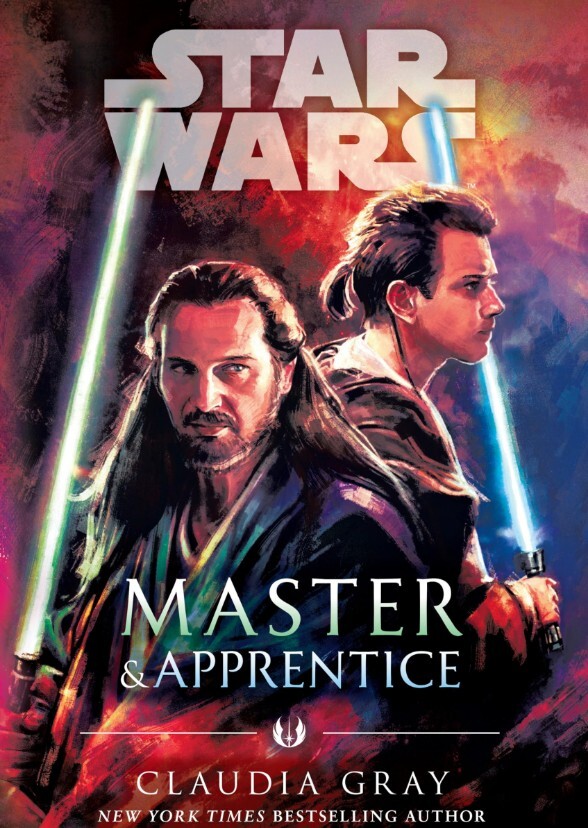
A Jedi must be a fearless warrior, a guardian of justice, and a scholar in the ways of the Force. But perhaps a Jedi's most essential duty is to pass on what they have learned. Master Yoda trained Dooku; Dooku trained Qui-Gon Jinn; and now Qui-Gon has a Padawan of his own. But while Qui-Gon has faced all manner of threats and danger as a Jedi, nothing has ever scared him like the thought of failing his apprentice. Obi-Wan Kenobi has deep respect for his Master, but struggles to understand him. Why must Qui-Gon so often disregard the laws that bind the Jedi? Why is Qui-Gon drawn to ancient Jedi prophecies instead of more practical concerns? And why wasn't Obi-Wan told that Qui-Gon is considering an invitation to join the Jedi Council—knowing it would mean the end of their partnership? The simple answer scares him: Obi-Wan has failed his Master. When Jedi Rael Averross, another former student of Dooku, requests their assistance with a political dispute, Jinn and Kenobi travel to the royal court of Pijal for what may be their final mission together. What should be a simple assignment quickly becomes clouded by deceit, and by visions of violent disaster that take hold in Qui-Gon's mind. As Qui-Gon's faith in prophecy grows, Obi-Wan's faith in him is tested—just as a threat surfaces that will demand that Master and apprentice come together as never before, or be divided forever.