Age: 81
male
Daniel Michael DeVito Jr. (born November 17, 1944) is an American actor, comedian, director, and producer. He first gained prominence as the irascible dispatcher Louie De Palma on Taxi, for which he won a Golden Globe and an Emmy. He plays Frank Reynolds on the long-running sitcom It's Always Sunny in Philadelphia (2006 - present). In film, DeVito is known for his roles in One Flew Over the Cuckoo's Nest (1975), Terms of Endearment (1983), Head Office (1985), Ruthless People (1986), Twins (1988), Batman Returns (1992), Jack the Bear (1993), Junior (1994), L.A. Confidential (1997), The Big Kahuna (1999), Big Fish (2003), Deck the Halls (2006), When in Rome (2010), Wiener-Dog (2016) and Jumanji: The Next Level (2019). DeVito has voiced characters in numerous animated films including Space Jam (1996), Hercules (1997), The Lorax (2012), Smallfoot (2018), and Migration (2023). He both directed and starred in several films such as Throw Momma from the Train (1987), The War of the Roses (1989), Matilda (1996), and Death to Smoochy (2002). He has served as a producer on notable films such as Reality Bites (1994), Pulp Fiction (1994), Gattaca (1997), Erin Brockovich (2000), and Garden State (2004). DeVito married actress Rhea Perlman in 1982; they have three children. The couple separated in 2012.
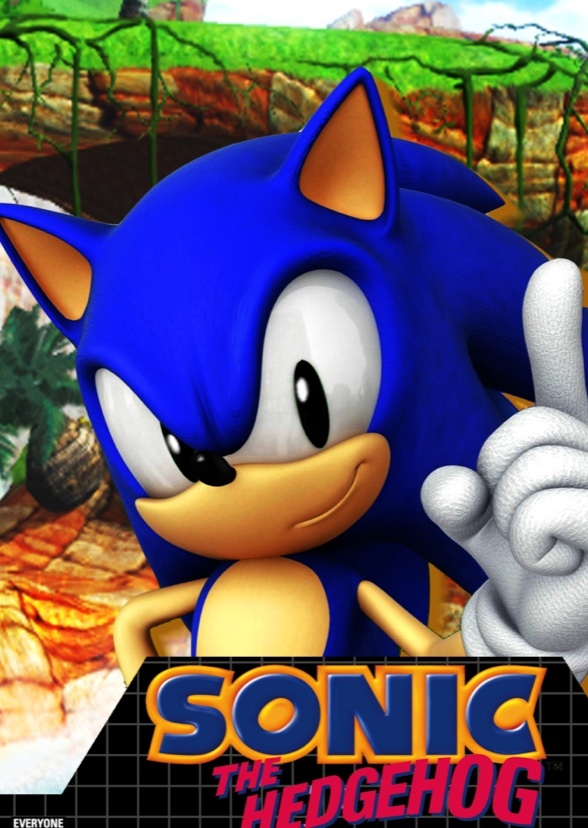
Sonic the Hedgehog is a media franchise owned by Sega, centering on a series of high-speed platform games. Sonic, the protagonist, is an anthropomorphic blue hedgehog with supersonic speed. Typically, Sonic must stop antagonist Doctor Eggman's plans for world domination, often helped by his friends, such as Tails, Amy, and Knuckles. The first Sonic the Hedgehog game, released in 1991, was conceived by Sega's Sonic Team division after Sega requested a new mascot character to replace Alex Kidd and compete with Nintendo's mascot Mario. Its success spawned many sequels and helped Sega become one of the leading video game companies during the 16-bit era of the early 1990s. The first major 3D Sonic game, Sonic Adventure, was released in 1998 for the Dreamcast. Spin-offs have explored other genres, including racing games such as Sonic R (1997) and sports games such as Mario & Sonic at the Olympic Games (2007). By March 2011, the series had sold over 89 million physical copies,[n 1] and grossed over $5 billion by 2014.[1] As of 2018, the series has shifted 800 million copies, including free-to-play mobile game downloads.[2] Several Sonic games are often included in lists of the greatest games of all time. Along with video games, the Sonic franchise has also crossed over into a variety of different media, including animation, comic books, and a Hollywood film.