Age: 77
male
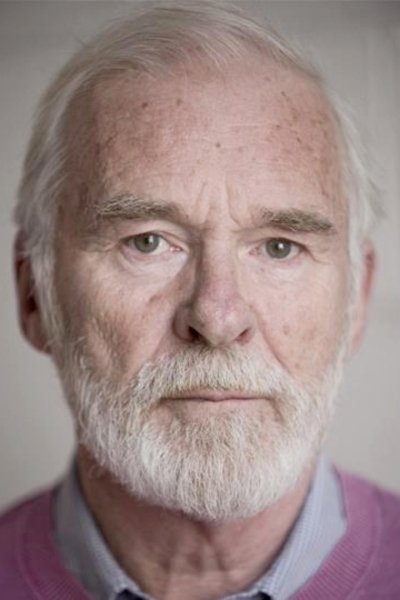
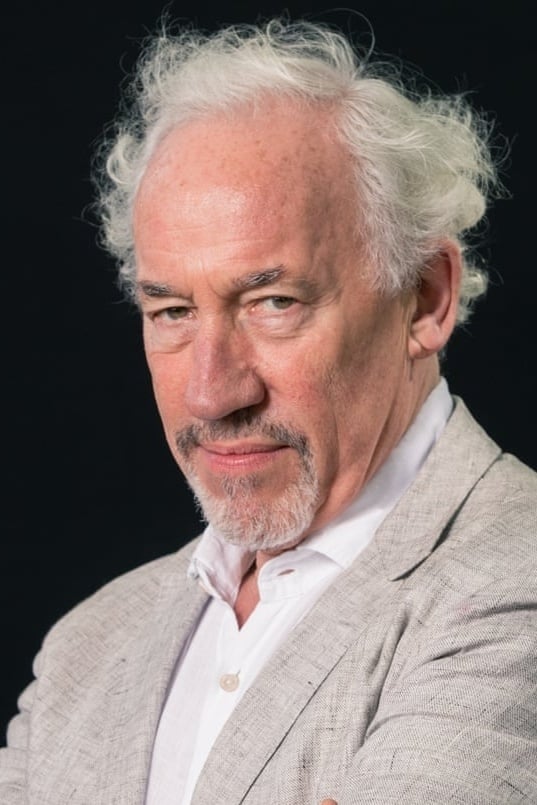
Simon Phillip Hugh Callow CBE (born 15 June 1949) is an English actor. Known as a character actor on stage and screen, he has received numerous accolades including an Olivier Award and Screen Actors Guild Award as well as nominations for two BAFTA Awards. He was made a Commander of the Order of the British Empire (CBE) for his services to acting by Queen Elizabeth II in 1999. Callow rose to prominence originating the title role of Wolfgang Amadeus Mozart in the 1979 Peter Shaffer play Amadeus, for which he received a Laurence Olivier Award for Best Actor in a Supporting Role nomination. Callow joined the Miloš Forman 1984 film adaptation, this time portraying Emanuel Schikaneder. In 1992, Callow won the Laurence Olivier Award for Best Director of a Musical for Carmen Jones. As an actor, he won acclaim for his comedic roles in A Room with a View (1985) and Four Weddings and a Funeral (1994) earning a BAFTA Award for Best Actor in a Supporting Role nomination for each. Other notable roles include in Maurice (1987), Howards End (1992), Shakespeare in Love (1998), and The Phantom of the Opera (2004). His television roles include Tom Chance in the Channel 4 series Chance in a Million (1984) and The Duke of Sandringham in the series Outlander from 2014 to 2016. He portrayed Napoleon in The Man of Destiny (1981), and Charles Dickens in numerous television projects. He has also appeared on numerous shows such as Midsomer Murders, Rome, Angels in America, Doctor Who, Galavant, Hawkeye, and The Witcher. Callow was born on 15 June 1949 in Streatham, South London, the son of Yvonne Mary (née Guise), a secretary and Neil Francis Callow, a businessman. His father was of French descent and his mother was of Danish and German ancestry. His father left when Simon was 18 months old, and he was brought up by his mother and grandmothers. He and his mother travelled to Northern Rhodesia (now called Zambia) when he was nine to try and reconcile with his father. This did not happen and Callow was sent for three years to boarding school in South Africa. He and his mother returned to Britain when he was twelve. He was raised as a Catholic. Callow was a student at the London Oratory School in West Brompton, and then went on to study briefly at Queen's University Belfast in Northern Ireland, where he was active in the gay liberation movement.[5] He gave up his degree course after a year to take a three-year acting course at the Drama Centre London. He made his first film appearance in 1984 as Schikaneder in Amadeus. The following year, he appeared as the Reverend Mr Beebe in A Room with a View. His first television role was in the Carry On Laughing episode "Orgy and Bess" in 1975, but it was cut from the final print. He starred in several series of the Channel 4 situation comedy Chance in a Million, as Tom Chance, an eccentric individual to whom coincidences happened regularly. Roles like this and his part in Four Weddings and a Funeral brought him to a wider audience. Callow portrayed Pliny the Elder in CBBC's 2007 children's drama series, Roman Mysteries in the episode "The Secrets of Vesuvius". He played Armand Duquesne in Marvel's Hawkeye on Disney+.

Pokémon Ruby Version and Pokémon Sapphire Version are 2002 role-playing video games developed by Game Freak, published by The Pokémon Company and Nintendo for the Game Boy Advance. They are the first installments in the third generation of the Pokémon video game series, also known as the "advanced generation". After years of Nintendo being the sole publisher of the franchise in all regions, The Pokémon Company co-published the games for the first time since the establishment of the joint-owned company in 1998. They were first released in Japan in late 2002 and internationally in 2003. Pokémon Emerald, an enhanced version, was released two years later in each region. Remakes of the two games, titled Pokémon Omega Ruby and Alpha Sapphire, were released for the Nintendo 3DS worldwide in November 2014, exactly twelve years to the date of the original Ruby and Sapphire release date, with the exception of Europe, where it released a week later.