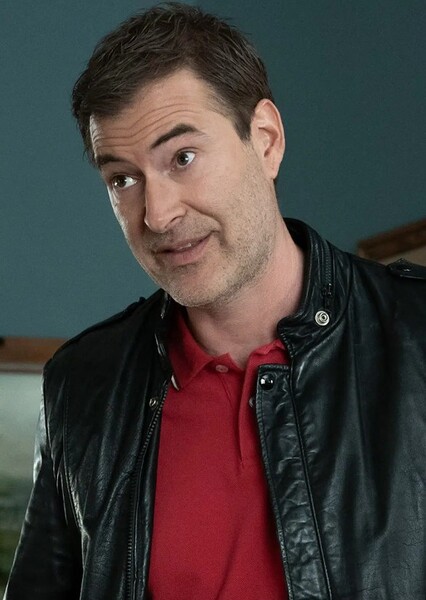
Age: 49
male
Mark David Duplass (born December 7, 1976) is an American filmmaker, actor, writer, and musician. With his brother Jay Duplass, he started the film production company Duplass Brothers Productions in 1996, for which they wrote and directed The Puffy Chair (2005), Baghead (2008), Cyrus (2010), Jeff, Who Lives at Home (2011), and The Do-Deca-Pentathlon (2012). Duplass co-wrote and starred in the horror film Creep (2014) and its sequel Creep 2 (2017), as well as the television spin-off The Creep Tapes (2024). He co-wrote and co-produced the television anthology series Room 104 (2017–2020). His other acting credits include Humpday (2009), The League (2009–2015), Greenberg (2010), Safety Not Guaranteed (2012), The One I Love (2014), The Lazarus Effect (2015), Togetherness (2015–2016), Blue Jay (2016), Tully (2018), Goliath (2018–2019), Paddleton (2019), and Language Lessons (2021). For his portrayal of Charlie "Chip" Black in The Morning Show (2019–present), Duplass received two nominations for the Primetime Emmy Award for Outstanding Supporting Actor in a Drama Series. He was also the lead singer of the indie rock band Volcano, I'm Still Excited!! Description above from the Wikipedia article Mark Duplass, licensed under CC-BY-SA, full list of contributors on Wikipedia.
Mark Duplass

Robert Paint
for Robert Paint in Mickey x Bugs: Creative Control
Suggested by GodzillaLover04
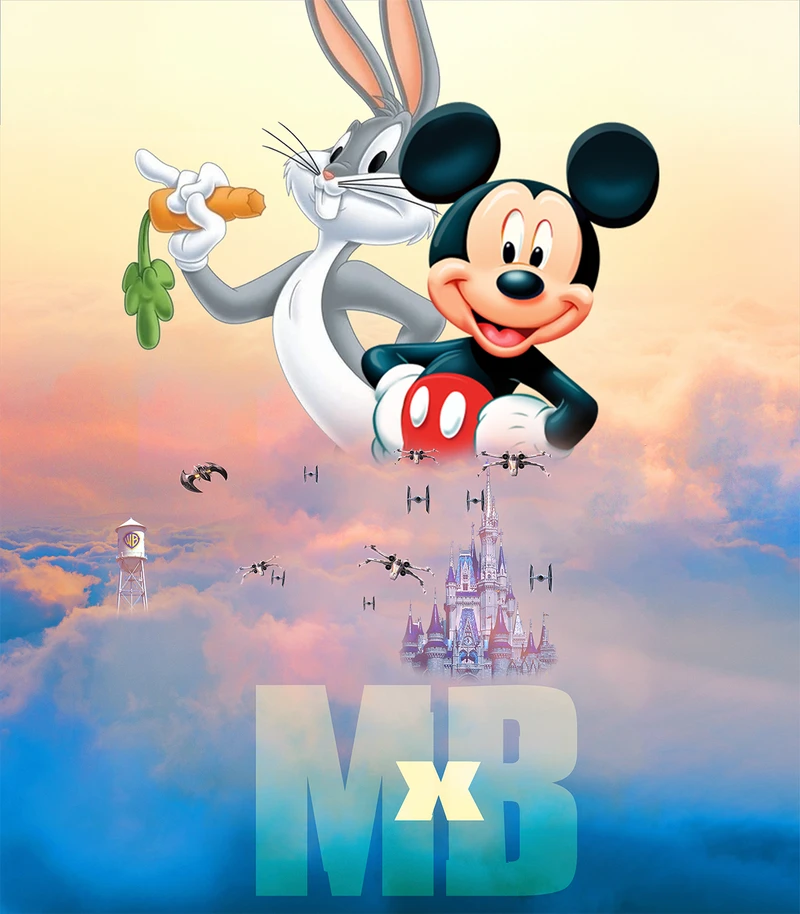
In a world where cartoons and movies live among humans, two mega-billion dollar companies reign supreme in the world of entertainment, Disney and Warner Bros. Once creators of joy and imagination, these corporations have become massive, monopolizing titans that now drain creativity to fuel the corporate needs. Mickey Mouse is attacked by his haters since he’s Disney’s company mascot and Bugs Bunny feels underused as his animated projects were all cancelled by WB. The two icons decide to cross the bridge between companies and bring the magic back! Meanwhile, two successful CEOs of both companies are revealed to be far more complicated than ruthless businessmen. They entered the industry because of their shared love of cartoons and movies and have struggled to make everyone happy but by following demands by the system they ended up causing more problems for the audience. An alliance is formed not to destroy the studios they helped build, but to remind them why audiences fell in love with cartoons and movies in the first place.