Computer animation is the process used for digitally generating animated images. The more general term computer-generated imagery (CGI) encompasses both static scenes and dynamic images, while computer animation only refers to moving images. Modern computer animation usually uses 3D computer graphics to generate a three-dimensional picture. Sometimes, the target of the animation is the computer itself, but sometimes film as well. Computer animation is essentially a digital successor to stop motion techniques, but using 3D models, and traditional animation techniques using frame-by-frame animation of 2D illustrations. Computer-generated animations can also allow a single graphic artist to produce such content without the use of actors, expensive set pieces, or props. To create the illusion of movement, an image is displayed on the computer monitor and repeatedly replaced by a new image that is similar to it but advanced slightly in time (usually at a rate of 24, 25, or 30 frames/second). This technique is identical to how the illusion of movement is achieved with television and motion pictures. For 3D animations, objects (models) are built on the computer monitor (modeled) and 3D figures are rigged with a virtual skeleton. Then the limbs, eyes, mouth, clothes, etc. of the figure are moved by the animator on key frames. The differences in appearance between key frames are automatically calculated by the computer in a process known as tweening or morphing. Finally, the animation is rendered.[1] For 3D animations, all frames must be rendered after the modeling is complete. For pre-recorded presentations, the rendered frames are transferred to a different format or medium, like digital video. The frames may also be rendered in real time as they are presented to the end-user audience. Low bandwidth animations transmitted via the internet (e.g. Adobe Flash, X3D) often use software on the end-user's computer to render in real time as an alternative to streaming or pre-loaded high bandwidth animations.
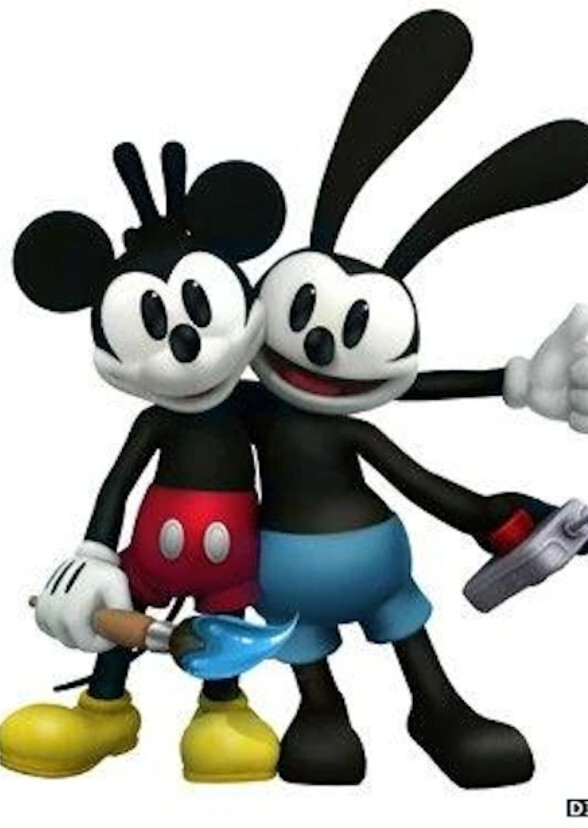
Ever since the beginning of the 2020s, Mickey Mouse's reputation has been getting worse and worse with every time he is blamed for the Walt Disney Company's controversial actions, and no matter how much he begs to get his own movie so that he can be seen as more than a mascot, they refuse. But when toons start disappearing all over the world and Mickey is forced to take the blame once again, he decides he has had enough of being mistreated and teams up with Oswald the Lucky Rabbit to solve the mystery and clear his name, and in the process learn what it truly means to be the leader of the club.