Died at 95
male
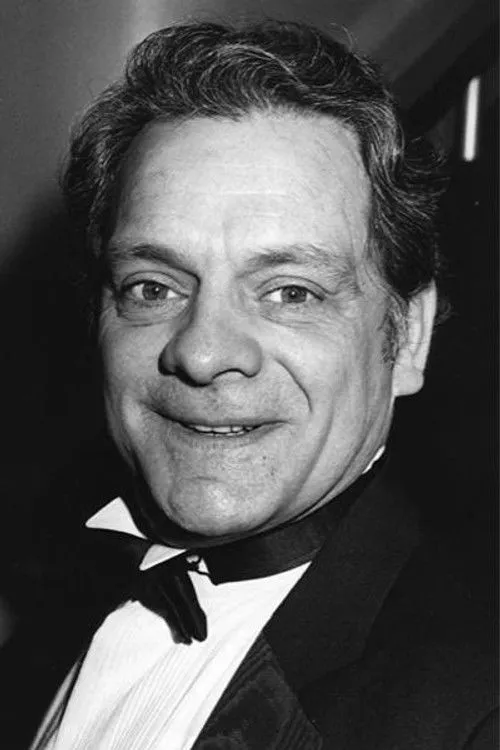
Sir Ian Holm Cuthbert CBE (September 12, 1931 – June 19, 2020) was an English actor. After beginning his career on the British stage as a leading member of the Royal Shakespeare Company, he became a successful and prolific performer on television and in films. He received numerous accolades including two BAFTA Awards and a Tony Award, along with nominations for an Academy Award and two Emmy Awards. He was made a Commander of the Order of the British Empire (CBE) in 1989 by Queen Elizabeth II. Holm won the 1967 Tony Award for Best Featured Actor for his performance as Lenny in the Harold Pinter play The Homecoming. He won the Laurence Olivier Award for Best Actor for his performance in the title role in the 1998 West End production of King Lear. For his television roles he received two Primetime Emmy Award nominations for King Lear (1998), and the HBO film The Last of the Blonde Bombshells (2003). He gained acclaim for his role in The Bofors Gun (1968) winning the BAFTA Award for Best Actor in a Supporting Role. He was nominated for an Academy Award for Best Supporting Actor and a BAFTA Award win for his role as athletics trainer Sam Mussabini in Chariots of Fire (1981). Other notable films he appeared in include Alien (1979), Brazil (1985), Henry V (1989), The Madness of King George (1994), The Fifth Element (1997), The Sweet Hereafter (1997), and The Aviator (2004). He gained wider appreciation for his role as the elderly Bilbo Baggins in Peter Jackson's The Lord of the Rings and The Hobbit trilogies. He also voiced Chef Skinner in the Pixar animated film Ratatouille (2007). Description above from the Wikipedia article Ian Holm, licensed under CC-BY-SA, full list of contributors on Wikipedia.

Discworld is a comic fantasy book series written by the English author Terry Pratchett (1948–2015), set on the fictional Discworld, a flat disc balanced on the backs of four elephants which in turn stand on the back of a giant turtle, Great A'Tuin. The books frequently parody or take inspiration from J. R. R. Tolkien, Robert E. Howard, H. P. Lovecraft, Charles Dickens, and William Shakespeare, as well as mythology, folklore and fairy tales, often using them for satirical parallels with current cultural, political, and scientific issues. The series is popular, with more than 80 million books sold in 37 languages.