Age: 49
male
Andrew Scott (born 21 October 1976) is an Irish actor. Known for his roles on stage and screen, his accolades include a British Academy Television Award, Silver Bear Berlin International Film Festival, and two Laurence Olivier Awards, along with nominations for three Primetime Emmy Awards and three Golden Globe Awards. Scott first came to prominence portraying James Moriarty in the BBC series Sherlock (2010–2017), for which he won the BAFTA Television Award for Best Supporting Actor. His role as the priest in the second series of Fleabag (2019) garnered him wider recognition. It earned him the Critics' Choice Television Award for Best Supporting Actor in a Comedy Series. He is also known for his roles in the films Pride (2014), Spectre (2015), and 1917 (2019). He was nominated for a Golden Globe Award for Best Actor for his starring role in the romantic drama film All of Us Strangers (2023). In 2024, he starred as Tom Ripley in the thriller series Ripley, for which he received Golden Globe and Primetime Emmy Award nominations as well as a Peabody Award. On stage, Scott played the lead role of Garry Essendine in a 2019 production of Present Laughter at The Old Vic, for which he won the Laurence Olivier Award for Best Actor. He also won the Laurence Olivier Award for Outstanding Achievement in an Affiliate Theatre in 2005 for his role in A Girl in a Car with a Man at the Royal Court Theatre.
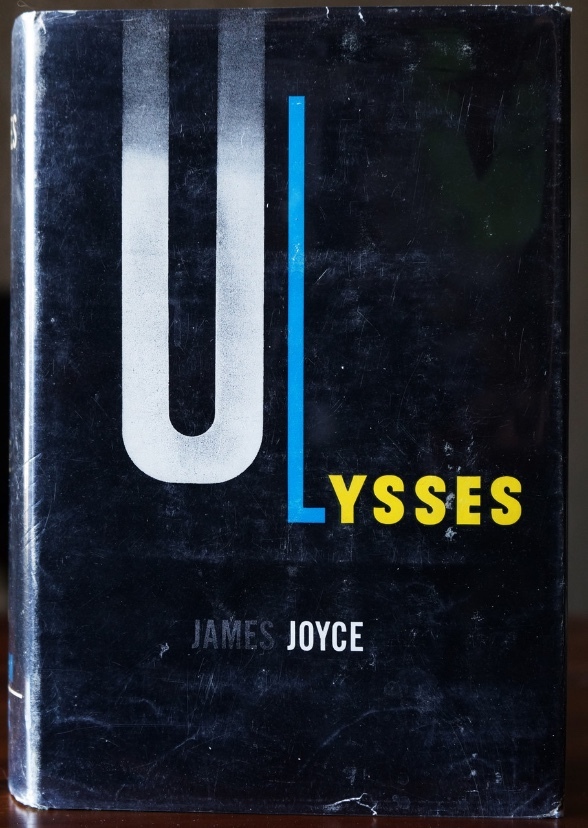
James Joyce’s Ulysses, published in 1922, remains one of the most challenging and rewarding works of English literature. Not only does it narrow its temporal focus to a single day, it also widens its scope to follow three major characters—Stephen Dedalus, Leopold Bloom, and Molly Bloom—and even the city of Dublin itself. Stylistically, Ulysses is unique not only because it changes style with every episode, but because the narrative refuses to remain obedient to the story; it increasingly peels away from the plot and indulges in independent raillery of the reader over the heads of the characters. The narrative “wanders” in a way that celebrates the craft, humor, and meaning of exploration, thereby resembling other famous wanderers: Odysseus, Bloom, the Jews, and Bloom’s simultaneously adulterous and faithful wife, Molly.