Age: 42
male
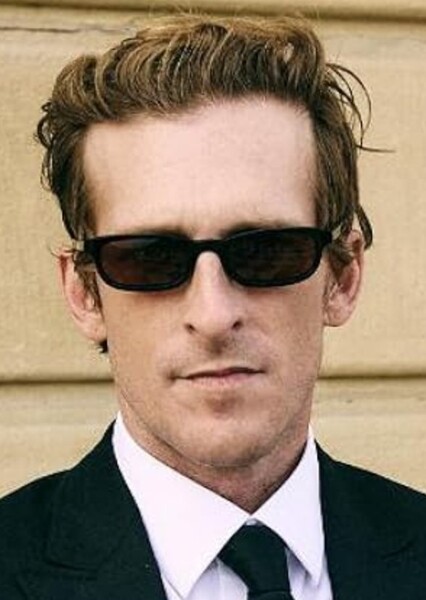
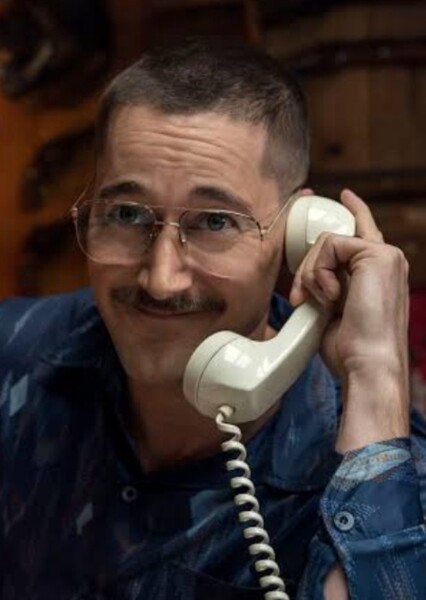
Ryan James Eggold was born on August 10, 1984 in the Southern California city of Lakewood and attended Santa Margarita Catholic High School there, where he participated in many school plays and graduated in 2002. He was subsequently accepted into the University of Southern California's School of Dramatic Arts and granted a Bachelor of Fine Arts degree in 2006. His professional television debut came only months later on The WB's series "Related." Other television credits include FX's "Dirt" (2007) with Courteney Cox and a starring role as Tom Keen in the spin-off series "The Blacklist: Redemption." A feature-length film debut followed in 2011 with the release of "Sironia." Eggold wrote, directed, produced and scored the film "Literally Right Before Aaron," which premiered at Tribeca Film Festival and was based on his 2011 short of the same name that follows a young man who attends the wedding of his ex-girlfriend. He would go on to play a supporting role in Spike Lee's "BlacKKKlansman." On stage, Eggold starred in a revival of Arthur Miller's "All My Sons," opposite Alec Baldwin and Laurie Metcalf, at the John Drew Theater at Guild Hall in East Hampton, N.Y.
Ryan Eggold

Calvin’s Dad
for Calvin’s Dad in 𝐂𝐚𝐥𝐯𝐢𝐧 𝐚𝐧𝐝 𝐇𝐨𝐛𝐛𝐞𝐬
Suggested by demurelyhydrated

Calvin and Hobbes follows the humorous antics of the title characters: Calvin, a mischievous and adventurous six-year-old boy; and his friend Hobbes, a stuffed tiger. Set in the suburban United States of the 1980s and 1990s, the strip depicts Calvin's frequent flights of fancy and friendship with Hobbes. It also examines Calvin's relationships with his long-suffering parents and with his classmates, especially his neighbor Susie Derkins. Hobbes's dual nature is a defining motif for the strip: to Calvin, Hobbes is a living anthropomorphic tiger, while all the other characters seem to see Hobbes as an inanimate stuffed toy, though Watterson has not clarified exactly how Hobbes is perceived by others, or whether he is real or an imaginary friend. Though the series does not frequently mention specific political figures or ongoing events, it does explore broad issues like environmentalism, public education, and philosophical quandaries. At the height of its popularity, Calvin and Hobbes was featured in over 2,400 newspapers worldwide. As of 2010, reruns of the strip appeared in more than 50 countries, and nearly 45 million copies of the Calvin and Hobbes books had been sold worldwide.